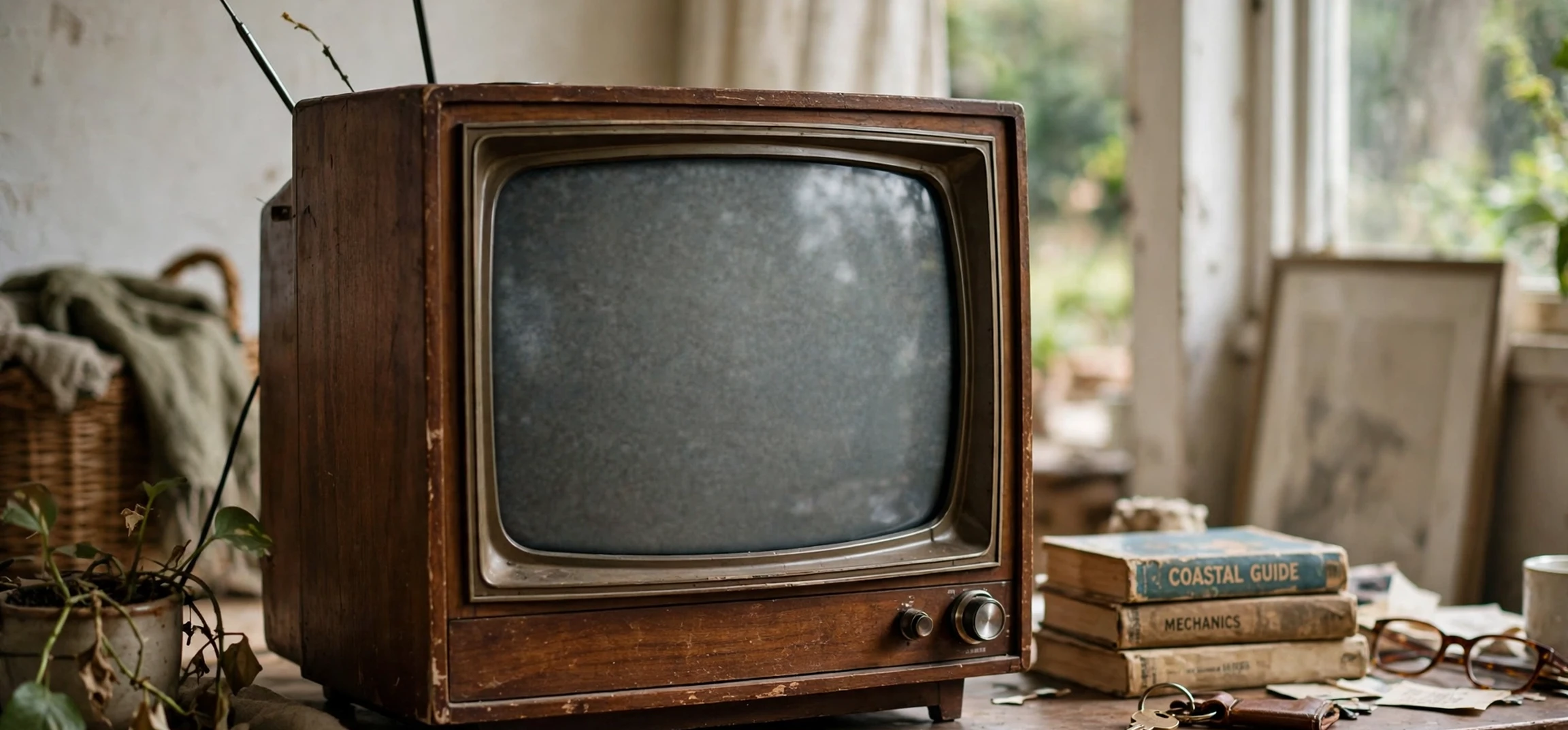
The famous tv series in the 80s shaped modern television in ways that are still visible today, from the multi-camera sitcom and the glossy prime-time soap to the action-adventure hour and the prestige miniseries. The decade began with three dominant broadcast networks in the United States and ended with cable, home video, and a far more fragmented audience, and the shows that survived that transition did so because they understood character, catchphrases, and the weekly ritual of appointment viewing. This guide offers an overview of the decade’s most influential series, grouped by genre, with notes on why each one mattered and what it contributed to the medium. It is a viewing history, not a directory of where to watch anything: no streaming or download links appear here, and the focus stays on the shows themselves and their cultural footprint.
What makes 1980s television distinctive is its confidence. Writers and producers knew that tens of millions of people might watch the same episode on the same night, and they wrote for that shared moment. Theme songs became hits, cliffhangers became national conversations, and characters became household names within weeks. At the same time, the decade quietly experimented: sitcoms tackled serious subjects, dramas adopted serialized storytelling, and animation aimed at adults as well as children began to find its voice. The result was a decade that looks light on the surface and turns out, on closer inspection, to be one of the most inventive in television history.
famous tv series in the 80s: The Sitcom Boom
No genre defines the decade more than the sitcom. “Cheers” turned a Boston bar into a study of friendship, work, and witty wordplay, running for eleven seasons and proving that a workplace ensemble could sustain both comedy and genuine emotion. “The Cosby Show” became a ratings phenomenon and reshaped the family sitcom around an affluent, professional household, while “Family Ties” used a generational clash between liberal parents and a conservative son to make political comedy feel personal rather than preachy. “The Golden Girls” broke ground by centering four older women whose friendship, humor, and frankness about aging and relationships had rarely been given prime-time space.
Other sitcoms carved out their own corners. “Night Court” mixed courtroom absurdity with a warm ensemble, “Newhart” built an entire run around deadpan understatement and delivered one of the most famous finales in television history, and “ALF” proved that a puppet alien could anchor a family comedy. What united these shows was craft: strong ensembles, joke writing that rewarded repeat viewing, and characters audiences invited into their homes weekly. The best 1980s sitcoms still work today because their comedy comes from character rather than from topical references alone.
Why the 1980s Sitcom Formula Endured
The classic 1980s sitcom formula combined a clear home or workplace setting, a stable ensemble with distinct comic voices, and stories that resolved within a single episode while letting relationships deepen over seasons. That structure made shows easy to join mid-run and satisfying to follow for years. It also gave writers a reliable engine: put strong characters in a confined space, add a small problem, and let personality do the work. Later decades borrowed this engine freely, from workplace comedies to ensemble family shows, and the debt is usually visible within minutes.
famous tv series in the 80s: Prime-Time Soaps and Serious Drama
If sitcoms were the decade’s comfort food, prime-time soaps were its obsession. “Dallas” made the cliffhanger a national event, most famously with the question of who shot J.R., which drew one of the largest audiences in television history and turned season finales into appointment viewing. “Dynasty” answered with glamour, wealth, and operatic rivalries, while “Falcon Crest” and “Knots Landing” proved that serialized storytelling could sustain long-running, character-driven drama. These shows taught networks that audiences would follow complex, continuing stories week after week, a lesson that later shaped everything from prestige drama to the modern streaming series.
Serious drama also matured in the decade. “Hill Street Blues” brought handheld cameras, overlapping dialogue, and morally ambiguous police work to prime time, influencing a generation of crime dramas. “St. Elsewhere” did similar work for the medical drama, balancing ensemble storytelling with dark humor and a willingness to let stories end unhappily. “Miami Vice” fused music, fashion, and cinematic visuals into a cop show that looked like nothing else on television, and its soundtrack-driven style changed how producers thought about music in drama. Together, these series moved television drama away from tidy, self-contained episodes toward the layered, ongoing storytelling audiences now expect.
Action and Adventure: Heroes, Teams, and High Concepts
The 1980s action hour was built on high concepts that could be explained in a single sentence. “The A-Team” assembled a team of fugitive soldiers for hire and turned each week into a problem solved with teamwork and improbable engineering. “Knight Rider” paired a crime fighter with a talking, nearly indestructible car, blending science fiction with the police procedural. “MacGyver” made a hero whose weapon was ingenuity itself, solving problems with everyday objects and scientific knowledge rather than firepower, and the character’s name entered everyday language as a verb for clever improvisation.
Other action series leaned into adventure and fantasy. “Magnum, P.I.” combined Hawaiian scenery, detective work, and a charismatic lead into one of the decade’s most durable hits. “Airwolf” and “The Fall Guy” mixed vehicles, stunts, and light humor, while “V” brought science-fiction invasion drama to prime time with miniseries ambition. These shows were often dismissed as lightweight in their day, but their influence is everywhere in modern franchise television: the team dynamic, the signature vehicle, the hero with a distinctive skill, and the self-contained mission structure all trace back to this era.
What Action Shows Taught Later Television
The lasting lesson of 1980s action television is the value of a repeatable engine with room for character. A strong premise gets viewers to sample an episode, but a likable team keeps them coming back. The decade’s best action shows understood that balance, giving audiences spectacle in the foreground and friendship, humor, or moral choice in the background. Modern adventure series still follow that template, even when their budgets and visual effects are vastly larger.
Science Fiction, Fantasy, and the Imagination Boom
Science fiction found a second home on 1980s television. “Star Trek: The Next Generation,” which premiered in 1987, revived a franchise many had written off and built it into a thoughtful, ensemble-driven exploration series that would anchor science fiction on television for decades. Its optimism, its focus on diplomacy and inquiry over combat, and its willingness to tackle philosophical questions set it apart from the action-heavy science fiction around it. Meanwhile, “Doctor Who” continued its long run in Britain and found a growing audience abroad through public broadcasting and home video, keeping a low-budget, big-idea tradition alive.
Fantasy and the supernatural also flourished. “Beauty and the Beast” offered a romantic, urban fairy tale, “Quantum Leap” sent its hero through time into other people’s lives with a humane, problem-solving premise, and “The Twilight Zone” returned in a revival that honored the original’s anthology spirit. For younger viewers, animated series expanded rapidly, from the toy-driven adventures that defined Saturday mornings to more ambitious storytelling; the decade’s cartoons are covered in more detail in the guide to forgotten 1980s cartoons, which is a useful companion to this overview.
Family Viewing and Shows for Younger Audiences
Family viewing was a central battleground of the decade. “Full House” and “Growing Pains” offered gentle, moral-centered family comedy, while “The Wonder Years” used narration and period detail to turn childhood memory into prestige storytelling, proving that a family show could also be a critical success. “Punky Brewster” and “Small Wonder” aimed squarely at younger viewers, and “Fraggle Rock” brought puppetry, music, and gentle social themes to children’s television with unusual ambition. The decade also saw the rise of the after-school and Saturday-morning cartoon boom, with series that built elaborate worlds around adventure, comedy, and heroism.
What stands out in retrospect is how seriously the best family shows took their audiences. “The Wonder Years” trusted children and adults alike with nostalgia, loss, and moral ambiguity, while “Fraggle Rock” wove themes of community and environmental care into songs and stories without condescension. That respect for the audience is one reason these shows remain watchable: they were made to be enjoyed together, by families, rather than simply to fill a time slot.
Talk, Variety, and Late Night
Beyond scripted series, the decade reshaped talk and late-night television. “The Tonight Show” under Johnny Carson remained a cultural institution, setting the template for the celebrity interview, the comedy monologue, and the late-night musical guest. “Late Night with David Letterman” reinvented the form for a younger, more ironic audience, with absurdist comedy segments and a style that would influence late night for decades. Daytime talk also evolved, with hosts building loyal daily audiences around conversation, advice, and human-interest stories.
Variety and sketch comedy continued to matter as well. “Saturday Night Live,” which had begun in the previous decade, found new casts and new energy in the 1980s, launching performers who would dominate film and television for years. The decade’s variety tradition, from awards shows to specials, reinforced television’s role as a shared national stage, a role that fragmented only later with the rise of cable and, eventually, on-demand viewing.
The Decade at a Glance
| Genre | Standout Series | Lasting Contribution |
|---|---|---|
| Sitcom | Cheers, The Golden Girls, Family Ties | Ensemble comedy driven by character and workplace or family settings. |
| Prime-time soap | Dallas, Dynasty, Knots Landing | Serialized storytelling and the season-finale cliffhanger as a national event. |
| Serious drama | Hill Street Blues, St. Elsewhere, Miami Vice | Realism, moral ambiguity, and cinematic style in weekly drama. |
| Action and adventure | The A-Team, MacGyver, Magnum, P.I. | High-concept premises and team dynamics that later franchises reused. |
| Science fiction | Star Trek: The Next Generation, Quantum Leap | Thoughtful, optimistic genre storytelling with long-running ensembles. |
| Family | The Wonder Years, Full House, Fraggle Rock | Family viewing that respected both children and adults. |
For readers exploring television history more broadly, the guide to family television series and the Alien Nation series guide offer useful next steps into specific shows and casts from this era and beyond.
Why 1980s Television Still Matters
The 1980s matter because the decade solved problems that television still faces. How do you keep a large audience returning weekly. How do you balance episodic satisfaction with long-term character growth. How do you make a show feel both familiar and surprising. The answers the decade found, the ensemble sitcom, the serialized soap, the high-concept action hour, and the thoughtful genre series, remain the basic building blocks of popular television. Even shows that look dated in fashion or technology feel modern in structure, because their storytelling engines were sound.
Nostalgia plays a part, certainly. Many viewers first encountered these shows as children or teenagers, and the theme songs alone can summon a whole era. But nostalgia alone does not explain why new audiences keep discovering them. The best 1980s series hold up because they were written with care, performed by strong ensembles, and built around ideas that still resonate: friendship, family, justice, ingenuity, and the hope that ordinary people can solve extraordinary problems.
Frequently Asked Questions About 1980s Television
Which 1980s series is the best starting point for a new viewer?
“Cheers” is an excellent entry point for comedy, because its humor comes from character and needs little background, while “Hill Street Blues” or “Star Trek: The Next Generation” are strong starting points for drama and science fiction respectively. Each rewards viewing from the beginning, but all three are easy to enjoy episode by episode.
Why were prime-time soaps so popular in the 1980s?
They combined glamour, family conflict, and serialized cliffhangers at a time when most households watched the same few channels, so a major plot twist became a shared national conversation the next day at work or school.
Were 1980s cartoons only advertisements for toys?
Many were connected to toy lines, but the best of them also built real worlds, memorable characters, and ongoing stories, and several have been reassessed as genuine creative achievements rather than mere merchandising.
Why are so many 1980s shows revived or rebooted?
Because their premises are strong, their characters are widely recognized, and their original audiences now introduce them to their own children, giving studios a built-in audience for a new version.
Conclusion
The famous tv series in the 80s were more than a nostalgic playlist: they were the laboratory in which modern television learned its most durable forms. The ensemble sitcom, the serialized drama, the high-concept action hour, and the thoughtful genre series all matured in this decade, and their influence runs through nearly everything popular on television today. Whether you return to a favorite for comfort or discover a classic for the first time, the decade rewards the visit, with writing, performances, and ideas that have outlasted the fashions that surrounded them. Start with one genre you love, follow the ensembles that catch your interest, and let the decade’s best shows make their case episode by episode.



