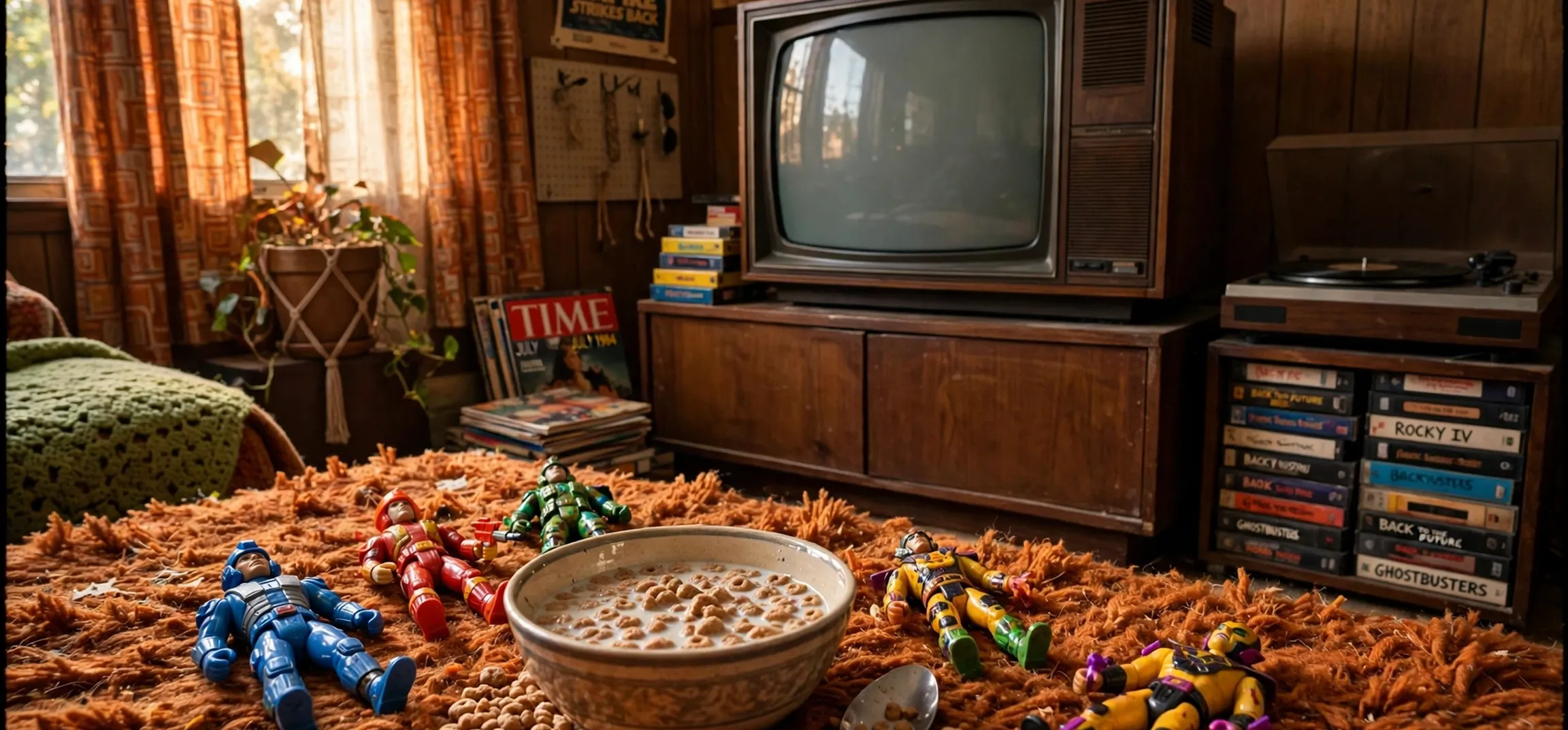
The phrase 80s forgotten cartoons describes a whole lost world of animation: bright, inventive and sometimes gloriously strange series that filled Saturday mornings and after-school slots, yet never became household names in the way that the decade’s biggest hits did. The 1980s were a golden age for cartoon production, with toy companies, comic publishers and independent studios all commissioning animated shows at a remarkable rate. Some of those shows ran for years and spawned merchandise empires, while others lasted a single season, vanished from schedules, and survived only in the memories of the children who watched them. This guide to forgotten animated series of the decade celebrates those overlooked series, explains why so many disappeared, and suggests how to rediscover them today.
Remembering these overlooked series is not simply an exercise in nostalgia. These shows reveal how animation was made, marketed and watched before streaming, when a cartoon’s survival depended on ratings, toy sales and the willingness of broadcasters to repeat it. They also show the sheer range of 1980s storytelling, from science fiction and fantasy to comedy, mystery and gentle moral tales. Many of the ideas first tried in these short-lived series later reappeared, refined, in more famous shows.
80s Forgotten Cartoons: Why So Many Vanished
To understand these overlooked series, it helps to understand the economics of the decade. In the United States and the United Kingdom, children’s television was fiercely competitive, and broadcasters needed a constant supply of new material. Studios responded by producing shows quickly, often with the backing of a toy line that was expected to pay for the animation. If the toys did not sell, the cartoon could be cancelled even when children liked it. If a rival show in the same slot rated higher, a series could be moved, shortened or dropped without ceremony.
Distribution added another problem. Before home video became universal and long before streaming libraries, a cancelled cartoon had almost nowhere to go. Reruns depended on a broadcaster buying the rights again, and video releases were selective, favouring proven hits. As a result, many such series were never properly archived in the public mind, even when prints and tapes survived in studio vaults. A child who loved a show in 1984 might never see it again, and would be left wondering, decades later, whether they had imagined it.
Rights complications made rediscovery harder still. Some overlooked series were co-productions between companies in different countries, with music, voice and merchandising rights split in complicated ways. Clearing all of those rights for a modern re-release can be expensive and slow, which is why some beloved obscurities remain unavailable while better-known series stream everywhere. Fans have therefore become historians, trading memories, episode guides and recordings in online communities dedicated to tracking down lost animation.
The Toy Connection
The link between toys and cartoons defined the decade. A successful action-figure line could keep a show on air, while a failed line could end it, regardless of the quality of the writing or animation. This explains why some 80s forgotten cartoons feel like extended advertisements: they were, in part, designed to introduce characters that children could then buy. Yet many writers used that commercial framework creatively, building surprisingly rich worlds, humour and character relationships around the required heroes, villains and vehicles.
Other overlooked series had no toy line at all. These were often gentler, stranger or more European in flavour, made for public broadcasters or smaller studios with different priorities. They might have featured hand-painted backgrounds, folk-tale plots or quiet comedy, and they tended to be scheduled less prominently. Without merchandise to sustain them, they depended entirely on audience loyalty, and they are among the hardest shows to find today.
80s Forgotten Cartoons: Genres and Hidden Gems
The most exciting thing about these overlooked series is their variety. Science-fiction series imagined robot civilisations, space colonies and post-apocalyptic worlds with a confidence that children’s television rarely shows today. Fantasy cartoons borrowed from mythology, fairy tales and sword-and-sorcery novels, creating quest stories in which young heroes learned courage and teamwork. Comedy cartoons parodied adult genres, from detective stories to soap operas, trusting young viewers to enjoy the joke.
Animal cartoons were another staple, ranging from slapstick ensembles to surprisingly thoughtful stories about friendship, nature and belonging. Some featured talking animals in human jobs, others followed wildlife adventures with an educational edge, and a few mixed live-action presenters with animated characters in ways that now look charmingly experimental. Mystery and adventure series, meanwhile, gave children young detectives, secret clubs and hidden worlds to explore after school, encouraging viewers to solve clues alongside the characters.
What unites many of these series is a willingness to be odd. Because so many shows were being made, studios could take risks on unusual premises: a cartoon about a family of inventors, a series set inside a computer, a show narrated by a mischievous ghost, or a comedy about monsters trying to live ordinary lives. Not every experiment worked, but the failures are often as interesting as the successes, because they show animators testing the limits of the medium.
How 80s Forgotten Cartoons Looked and Sounded
Visually, these overlooked series carry the unmistakable marks of hand-drawn cel animation. Backgrounds were painted by hand, characters were drawn frame by frame, and colour palettes ranged from the neon brightness of toy-driven action shows to the softer watercolour tones of European storybook adaptations. The limitations of the era — repeated backgrounds, limited movement in dialogue scenes, occasional inconsistencies in character models — are now part of the charm, signalling a craft-based process that digital animation has largely replaced.
Sound was equally distinctive. Theme tunes were often short, catchy and designed to be sung in playgrounds, with lyrics that explained the premise in under a minute. Voice casts, frequently small ensembles playing multiple roles, developed instantly recognisable styles, and sound effects were bold and physical: laser zaps, cartoon crashes and dramatic musical stings that told young viewers exactly how to feel. For many adults, hearing a half-remembered theme tune is the fastest route back to a childhood Saturday morning.
80s Forgotten Cartoons: How to Rediscover Them
Rediscovering these series today requires a little detective work, but that is part of the fun. Start by writing down everything you remember: a character’s appearance, a catchphrase, a distinctive vehicle, a villain’s name, or even the time of day the show aired. Those fragments are often enough for fan communities and animation databases to identify a series, because other viewers remember complementary details. Episode guides, old television listings and toy catalogues are also valuable clues.
Once a title is identified, the next step is to check legitimate streaming services, archive collections and broadcaster catch-up libraries, as rights change frequently and a show that was unavailable last year may appear this year. Specialist animation channels and retro television blocks sometimes programme forgotten series alongside better-known hits, and libraries and media archives may hold recordings for research viewing. Patience is essential: the hunt for 80s forgotten cartoons can take weeks, but finding a long-lost episode is a genuinely satisfying moment.
It is also worth approaching rediscovery with an open mind. A show remembered as thrilling may seem slower to an adult eye, while a series dismissed as silly in childhood may reveal clever writing, beautiful backgrounds or surprisingly thoughtful themes. Watching with children, or with friends who shared the original broadcasts, adds another layer, as different viewers remember different episodes and jokes. The best rediscoveries are rarely solitary; they become shared acts of remembering.
| Clue You Remember | What It May Suggest | Where to Look Next |
|---|---|---|
| A toy you owned | The cartoon may have been tied to a toy line | Toy catalogues and fan wikis |
| A theme tune | Lyrics often name the hero or premise | Animation databases and fan communities |
| A villain or monster | Distinctive designs are easy to search by description | Episode guides and image archives |
| A broadcast slot | Saturday morning or after-school schedules narrow the date | Old television listings |
| A voice you recognise | Small voice casts worked across many shows | Cast filmographies |
Collectors and archivists play a vital role in keeping 80s forgotten cartoons alive. By preserving recordings, scanning promotional material and documenting broadcast histories, they ensure that a series is not lost simply because it was commercially unsuccessful. Their work also helps rights holders understand that an audience exists for re-releases, which can encourage official restorations and streaming deals. Anyone who owns old recordings should consider how best to preserve them, and should respect copyright by supporting legitimate releases when they appear.
The Legacy of 80s Forgotten Cartoons
The legacy of 80s forgotten cartoons is larger than their short runs suggest. Animators, writers and voice performers who learned their craft on obscure series went on to shape the celebrated animation of the 1990s and beyond. Story ideas that were too unusual for a mass audience in 1985 became mainstream a decade later, when audiences and broadcasters were ready for more ambitious children’s storytelling. Even the failures taught the industry valuable lessons about pacing, character design and the balance between merchandising and narrative.
For modern creators, 80s forgotten cartoons are a rich source of inspiration. Their hand-painted backgrounds, bold colour choices and memorable theme tunes remind contemporary animators that personality can matter more than polish. Their willingness to mix genres — comedy with science fiction, mystery with fantasy, education with slapstick — offers a model for children’s programming that trusts its audience. Retro fans may also enjoy exploring related guides such as the Boomerang Cartoon Network schedule, Cartoon Network games featuring Ben 10, and the Airwolf TV show retro classic for more nostalgia-fuelled viewing ideas.
Frequently Asked Questions About 80s Forgotten Cartoons
What does 80s forgotten cartoons mean?
80s forgotten cartoons means animated series from the 1980s that were broadcast for a short time, never became major hits, and are now little remembered except by the audiences who watched them at the time.
Why are so many 80s forgotten cartoons hard to find?
Many 80s forgotten cartoons are hard to find because they were cancelled when toy sales or ratings disappointed, were rarely repeated, and may have complicated rights ownership that makes modern re-release slow or expensive.
How can I identify a half-remembered 80s cartoon?
Note every detail you remember — characters, catchphrases, vehicles, theme tunes and broadcast slots — and share those clues with animation fan communities and episode-guide databases, where other viewers often recognise the show from a single detail.
Are 80s forgotten cartoons worth watching as an adult?
Yes. Many 80s forgotten cartoons repay adult viewing with inventive animation, catchy music, clever genre parody and themes about friendship and courage that remain relevant, even when the pacing feels gentler than modern series.
Conclusion
80s forgotten cartoons deserve more than a footnote in animation history. They were the product of a uniquely prolific decade, when studios took risks, artists painted worlds by hand, and children encountered an astonishing range of stories before school and on Saturday mornings. Some of those shows failed commercially, some were simply unlucky in their scheduling, and some were too strange for their time — but all of them contributed to the medium we enjoy today. Whether you are tracking down a single half-remembered title or exploring the decade systematically, the forgotten cartoons of the 1980s offer a rewarding, surprising and often delightful journey into the past.



