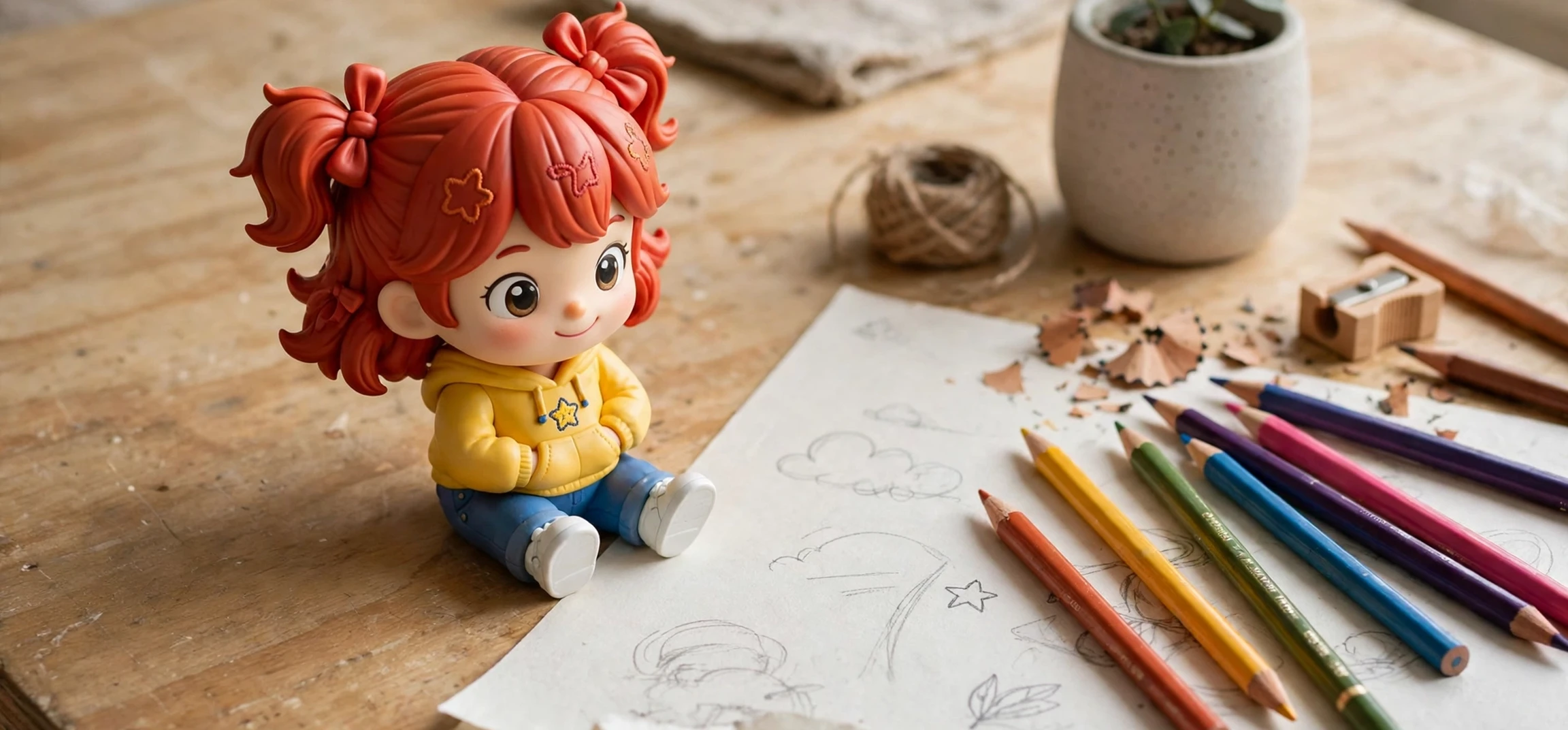
The search term fat ginger cartoon covers a surprisingly wide corner of animation, from orange cats and red-haired kings to larger-built heroes whose design, humour, and personality have made them memorable for decades. This guide to fat ginger cartoon characters explains what fans usually mean by the phrase, which fictional characters fit the description, why animators use size and warm colour in character design, and where to start watching. Every character discussed here is fictional, and the focus is on storytelling, design, and comedy rather than on any real person’s appearance or health.
It is worth defining the phrase before listing names. In everyday fan language, fat ginger cartoon can mean a larger-built animated character with red, orange, or ginger-coloured hair or fur. Sometimes it means a human character with red hair and a stocky build. Sometimes it means an orange animal character whose colour reads as ginger on screen. Animators often use warm colours such as orange and red to make a character stand out, signal warmth or mischief, and remain recognisable in a small thumbnail or a fast-moving scene. Size, meanwhile, is often used as visual shorthand for comfort, appetite, strength, laziness, or larger-than-life confidence, depending on the story.
fat ginger cartoon Characters Worth Knowing First
Start with Garfield, the orange tabby cat created for comic strips and later adapted into animated series and films. Garfield is lazy, sarcastic, devoted to food and sleep, and deeply loyal to his owner in his own grumpy way. His orange colour, round shape, and deadpan humour made him instantly recognisable, and his design works because every trait reinforces the others: a round cat who loves lasagne, hates Mondays, and delivers dry one-liners is a complete comic idea in a single silhouette.
Heathcliff, another orange cartoon cat, offers a useful contrast. Where Garfield is lazy and indoors, Heathcliff is mischievous, streetwise, and constantly scheming. The shared orange colour does not produce the same character, which shows how much writing, voice, and movement matter beyond colour. Both cats prove that an orange, larger-built design can support very different kinds of comedy.
For a human example, consider King Fergus from the animated film Brave. Fergus is a larger-built Scottish king with red hair and a beard, a booming laugh, and a warm, protective relationship with his family. His size reads as strength and good humour rather than as a joke on its own, and his red hair connects him visually to his daughter Merida. Fergus is a good reminder that red hair and a stocky build in animation are often used for heroic, fatherly, or larger-than-life figures, not only for comic relief.
Obelix, from the Asterix comics and animated adaptations, is another classic larger-built character with reddish-blond hair. Obelix is gentle, loyal, enormously strong, and famously fond of food, especially wild boar. His humour comes from innocence and enthusiasm, not from mockery. Together, Garfield, Fergus, and Obelix show the range of the fat ginger cartoon idea: a grumpy cat, a warm king, and a gentle strongman can all share warm colouring and a larger build while telling completely different stories.
Why Animators Use Size and Warm Colour
Animation is a visual medium first, so character designers need shapes that read instantly. A round silhouette reads as soft, approachable, or comic. A tall, angular silhouette reads as sharp, villainous, or elegant. A stocky silhouette reads as solid, strong, or stubborn. When a designer adds orange or red hair, the character also gains warmth and visibility, because warm colours advance visually against cool backgrounds such as blue skies, green forests, or grey cities.
Colour also helps with character grouping. In a family, red hair can link parents and children at a glance. In a cast, one orange character among blue, green, and purple characters will draw the eye first. In a comedy, a bright orange cat among ordinary humans immediately signals that the cat is the star. None of this is accidental. Designers test silhouettes in black and white first, precisely so that a character remains recognisable even before colour is added.
Movement completes the design. A larger-built character may move slowly and heavily for comic timing, or may move surprisingly fast for a visual surprise. Garfield shuffles and lounges, which matches his personality. Obelix charges forward with cheerful energy, which subverts the expectation that a large character must be slow. Fergus strides confidently, which matches his role as a king. Watching how a character moves is often more revealing than noting size alone.
fat ginger cartoon Shows and Films to Start With
If you are new to this corner of animation, start with the most accessible titles. Garfield animated series episodes are short, self-contained, and easy to sample, which makes them ideal for a quick watch. Brave is a feature film with a complete story, strong family themes, and a memorable red-haired cast, including Fergus. Asterix animated films offer adventure, wordplay, and a long-running comic tradition, with Obelix as a warm centre of the humour.
For younger viewers, orange animal characters appear in many gentle series where colour and roundness signal friendliness. Tigger, the orange tiger from Winnie the Pooh stories, is bouncy, loud, and endlessly enthusiastic, and his orange stripes make him unmistakable. Simba, the lion cub and later adult lion in The Lion King, is golden-orange and grows into a larger, powerful adult design. These characters are not human redheads, but they show why fans often group orange animals into the same broad search: warm colour and a larger or rounder shape create a similar visual impression.
Older viewers may enjoy comparing how different eras handled the same design. Classic hand-drawn animation often used simple, round shapes and bold outlines. Modern computer animation adds texture, fur, and detailed lighting, which makes orange and red tones richer but keeps the same basic silhouette rules. Watching a classic Garfield episode beside a modern Brave scene is a quick lesson in how animation technology changes while character design principles stay steady.
How to Choose What to Watch
Choose by mood rather than by label. For short comedy, pick Garfield or Heathcliff. For adventure and family drama, pick Brave. For historical comedy and ensemble humour, pick Asterix. For gentle, musical, or nostalgic viewing, pick Winnie the Pooh stories featuring Tigger. Each choice delivers the warm, larger-built, orange or red character type in a different genre, so the search becomes a starting point rather than a single answer.
Parents and teachers can use the same guide to pick age-appropriate viewing. Check the rating, episode length, and themes before sharing a title with younger children. Short episodes are easier to preview, and feature films usually carry clearer age guidance. When in doubt, watch one episode or the opening scenes first, and decide from there.
| Fictional character | Appears in | Why fans remember them |
|---|---|---|
| Garfield | Garfield animated series and films | Orange, round, sarcastic cat who loves food and sleep |
| Heathcliff | Heathcliff animated series | Orange, mischievous cat with streetwise schemes |
| King Fergus | Brave | Red-haired, larger-built king with warmth and humour |
| Obelix | Asterix animated films | Reddish-blond, strong, gentle hero who loves food |
| Tigger | Winnie the Pooh animation | Orange, bouncy tiger with boundless enthusiasm |
| Simba | The Lion King | Golden-orange lion whose adult design signals strength |
Representation, Comedy, and Kind Viewing
It is important to watch these characters with kindness as well as humour. In older cartoons, a larger-built character was sometimes used only as a punchline, with jokes that reduced the character to size alone. Modern audiences, and many modern writers, prefer characters whose humour comes from personality, choices, and relationships. Garfield is funny because of his attitude and timing, not simply because he is round. Fergus is funny because he is boisterous and loving. Obelix is funny because he is innocent and enthusiastic.
That distinction matters for viewers too. Enjoying a fat ginger cartoon character does not require laughing at a real person’s body, and it should never be used as a reason to tease someone in real life. The characters are drawings and performances, designed for stories. Keeping that boundary clear lets fans enjoy the comedy while treating real people with respect.
Representation in animation is also broader than one search term suggests. Larger-built characters appear as heroes, villains, parents, sidekicks, leaders, and comic leads. Red-haired characters appear across ages, genders, and genres. The most interesting viewing comes from noticing that range, rather than from sorting every character into a single narrow label.
Finding More fat ginger cartoon Characters
To find more characters in this style, search by show rather than by body type alone. Look for cast lists, character guides, and episode descriptions, and note how each character is described in the story. A character guide will usually mention personality, role, and relationships, which gives a fuller picture than a single visual trait. Fan wikis and official show pages are useful starting points, but always check the show itself before repeating a claim about a character.
Another useful approach is to follow animators and studios rather than single characters. Studios that favour warm, round designs will produce many characters in this style across different shows. Once you recognise a studio’s house style, you can spot similar characters quickly, even in shows you have never seen before.
Finally, keep a personal watchlist. Note the title, the character, one line about why the character stood out, and whether the show suits your household. Over time, that list becomes a better recommendation engine than any single search term, because it reflects your taste in humour, story, and animation style.
Frequently Asked Questions
What does fat ginger cartoon mean in fan language?
In fan language, fat ginger cartoon usually means a larger-built animated character with red, orange, or ginger-coloured hair or fur. It can describe a human redhead, an orange animal, or any character whose warm colour and rounder design stand out on screen.
Who is the most famous example?
Garfield is the most famous orange, larger-built cartoon character, thanks to decades of comic strips, animated series, and films. King Fergus and Obelix are strong human examples of red-haired, larger-built animated figures.
Is the phrase about real people?
No, this guide covers fictional animated characters only. It does not speculate about any real person’s appearance or health, and fans should not use cartoon labels to describe or tease real people.
Where should beginners start watching?
Start with Garfield for short comedy, Brave for a complete family film, and Asterix films for adventure comedy. Each one showcases the fat ginger cartoon style in a different genre.
Planning a fat ginger cartoon Watchlist
A good way to use this guide is to turn the search for a fat ginger cartoon favourite into a short watchlist with a clear purpose. Start with one short comedy episode, then one feature film, and then one older title, and note after each viewing what made the character work. Was it the voice, the movement, the writing, or the design? That simple note turns a casual fat ginger cartoon search into a real appreciation of animation, and it helps you recommend the right title to friends or family members with different tastes. A watchlist built this way also avoids the trap of judging a character by a single image or a single trait.
Sharing recommendations works best when you describe the story, not only the look. Instead of saying only that a title features a fat ginger cartoon character, say whether it is a comedy, an adventure, or a family drama, and say who it suits. That extra sentence helps another viewer decide quickly, and it keeps the conversation about storytelling rather than about appearance alone. Over time, your fat ginger cartoon watchlist will become a personal guide to animation styles you enjoy, from hand-drawn classics to modern computer animation, and each new title will add to that understanding.
Key Points to Remember
First, a fat ginger cartoon character is usually a larger-built animated figure with red, orange, or ginger hair or fur. Second, Garfield is the most famous fat ginger cartoon cat, thanks to decades of strips, series, and films. Third, King Fergus shows that a fat ginger cartoon figure can be a warm, heroic king rather than only comic relief. Fourth, Obelix shows that a fat ginger cartoon hero can be gentle, loyal, and enormously strong. Fifth, colour and silhouette explain why a fat ginger cartoon design stands out so clearly on screen. Sixth, movement matters as much as size in any fat ginger cartoon performance, from a lazy shuffle to a cheerful charge. Seventh, older and newer animation handle the fat ginger cartoon style differently, even when the basic design rules stay the same. Eighth, enjoying a fat ginger cartoon character should never become a reason to tease a real person. Ninth, the best way to explore the fat ginger cartoon style is to watch by mood, choosing comedy, adventure, or family drama first.
Conclusion
The phrase fat ginger cartoon is a useful doorway into animation history, character design, and comedy, as long as it is treated as a description of fictional design rather than a judgement about real people. Garfield, Heathcliff, Fergus, Obelix, Tigger, and Simba each show a different way that warm colour and a larger, rounder silhouette can create a memorable character. Watch for personality, movement, and story, not just for a single trait, and you will find that the best characters in this style earn their place through humour and heart. Start with one title from the table above, note what makes its character work, and let that guide your next pick.
For more character guides on this site, see cartoon characters with distinctive designs, cartoon dog characters, and Jungle Book cartoon characters.



