Noticing a change in stool colour can be worrying, and many adults search for plain, non-alarmist information when it happens. This guide explains gray green feces in general educational terms only: what stool colour can reflect, which everyday factors commonly influence it, and when it is sensible to seek medical advice. It is not a diagnosis, and it does not replace professional care. Stool colour varies from day to day for many people, and a single change often has a simple, temporary explanation. Understanding the broad picture can help you decide whether to simply monitor the change or to contact a clinician promptly.
It is also important to set expectations. Colour alone rarely tells a full story. Diet, hydration, supplements, medicines, the speed of digestion, and overall health can all play a part, and the same colour can have different causes in different people. That is why health guides describe possibilities in general terms rather than pointing to one cause. If you feel unwell, or if a change persists or is accompanied by other symptoms, professional assessment is the right next step, even if the information below sounds reassuring.
Gray Green Feces: What Stool Colour Can Mean in General
Stool colour is influenced mainly by bile, a digestive fluid made by the liver, and by how long food and waste spend moving through the digestive system. Bile starts out with a yellow-green tone and changes as it is processed during digestion. When digestion moves at a typical pace, the end result is usually a brown shade. When movement is faster than usual, bile may have less time to change, and the result can lean greener. When other factors are involved, shades described as grayish or pale can also occur. These are general mechanisms, not specific diagnoses, and they illustrate why colour can shift without a serious cause, as well as why persistent pale or unusual colour deserves attention.
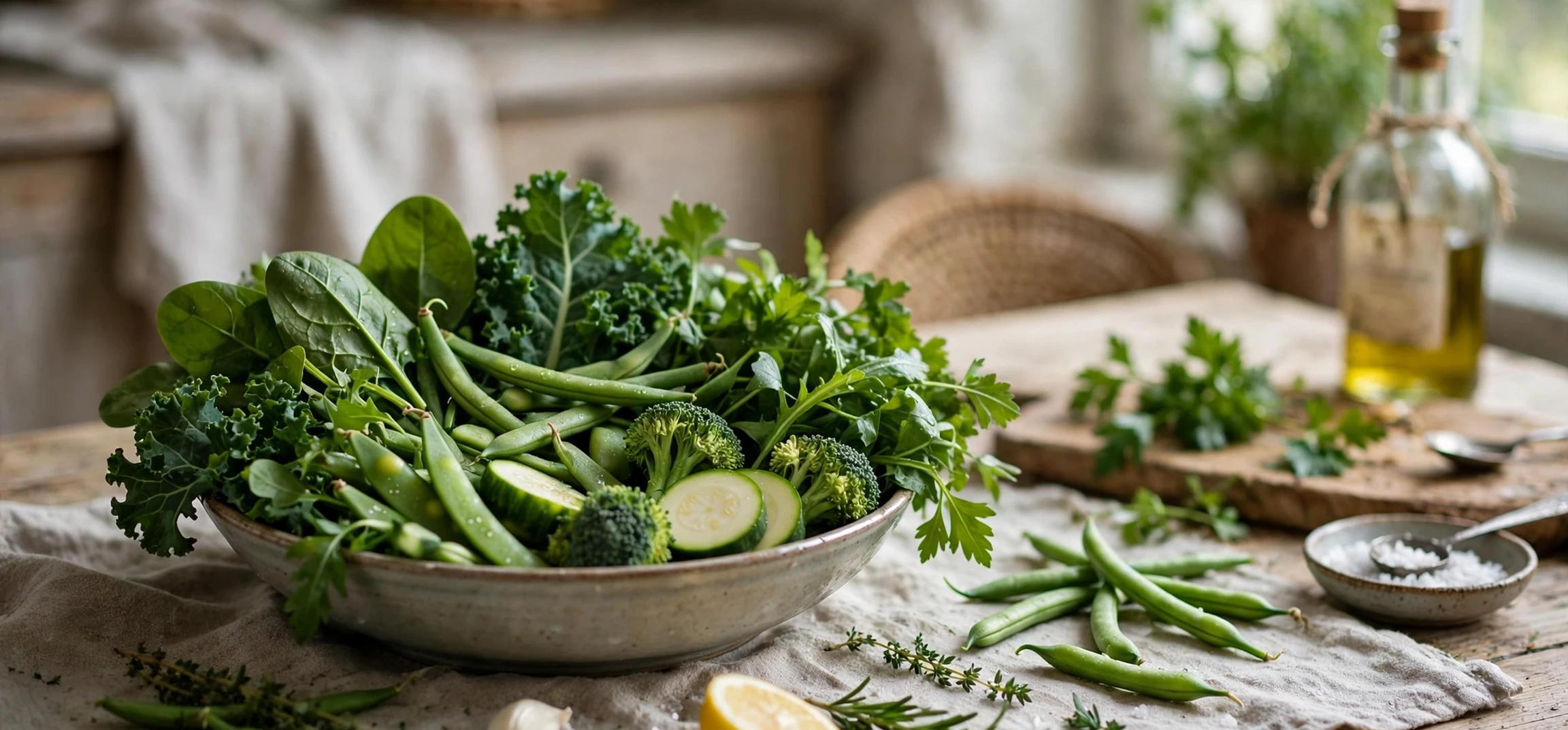
Diet is one of the most common influences on colour. Leafy green vegetables, foods with green colouring, and certain drinks can contribute a green tint. Iron supplements and some medicines are also widely known to darken stool or shift its tone, and people often notice a change after starting a new supplement. This does not mean every change is explained by diet or supplements, but it is a sensible first question to ask yourself: has anything in your recent eating, drinking, or supplement routine changed?
Digestive speed matters too. Periods of looser stools, for example during a short stomach upset, can be associated with greener colour because material passes through more quickly. Stress, travel, changes in routine, and eating very different foods from usual can all affect digestion temporarily. Again, a short-lived change that settles as routine returns is a different pattern from a change that persists for days or weeks, and that pattern is part of what clinicians consider.
Gray Green Feces: Common Everyday Factors to Consider
When adults notice a gray-green shade, it helps to think in broad categories rather than jumping to a single explanation. The table below summarises everyday factors that are often discussed in general health information. It is educational only and is not a checklist for self-diagnosis.
| General factor | How it can relate to colour | What to note |
|---|---|---|
| Green foods and drinks | Natural pigments and food colouring can tint stool | Recent meals over the past day or two |
| Iron supplements | Can darken stool and shift its tone | Any new supplement or dose change |
| Faster digestion | Less time for bile to change during transit | Whether stools are also looser than usual |
| Other medicines | Some medicines affect digestion or stool appearance | Any recently started medicine, as listed in its information leaflet |
| Digestive upset | Short illness can temporarily alter colour and consistency | Whether other symptoms are present and how long they last |
Food and drink influences
Large amounts of leafy greens, green vegetables, and foods made with green colouring are common, harmless contributors to a green tint. The effect is usually temporary and fades once those foods are no longer a major part of recent meals. Keeping a simple mental note of what you ate in the previous day or two can be useful if you later speak to a clinician, because it gives them context without requiring detailed tracking.
Supplements and medicines
Iron is the supplement most often linked to darker stool, and people taking it are frequently advised in its product information that stool colour may change. Other supplements and medicines can also affect digestion in different ways. If you have recently started anything new, read its information leaflet and consider mentioning it to a pharmacist or clinician. Do not stop a prescribed medicine because of a colour change alone without seeking professional advice first, as stopping treatment can carry its own risks.
When digestion speeds up
Digestive transit time varies naturally. When it speeds up, for example during a brief stomach upset, stool may appear greener and looser than usual. This pattern often settles within a short period as digestion returns to normal. If looser stools, discomfort, or colour change continue, that persistence is itself useful information to share with a clinician.
For related general reading on what stool colour changes can mean in broad terms, see this guide to green feces and this guide on green stool in general. Both cover the topic in educational terms and, like this article, are not substitutes for medical advice.
Gray Green Feces and Pale Shades: Why Persistence Matters
Shades described as gray, pale, or clay-like are sometimes mentioned separately in health information because they can be associated with changes in bile flow. Bile gives stool much of its usual brown colour, so when less bile reaches the digestive system, stool can look paler. This is a general explanation, not a claim about any individual case, and pale stool has a range of possible contexts. The key point for readers is pattern: a one-off pale or gray-green appearance after a dietary change is different from pale stool that persists, recurs, or appears alongside other symptoms.
Other symptoms that make prompt medical advice more important include yellowing of the skin or eyes, dark urine, persistent abdominal pain, unexplained weight loss, fever, vomiting, or feeling generally unwell. Any of these alongside a stool colour change should prompt a timely conversation with a clinician rather than watchful waiting. The same applies if you notice blood, black and tarry stool, or severe pain. Those features are reasons to seek care promptly, and in some cases urgently, depending on severity.
What counts as persistent?
There is no single number of days that applies to everyone, but health guidance commonly suggests that a change lasting more than a few days, or one that keeps returning, is worth discussing with a clinician, especially in adults over a certain age or with existing health conditions. If you are unsure, it is reasonable to seek advice sooner rather than later. A clinician can ask about diet, medicines, medical history, and other symptoms, and can decide whether any examination or test is needed. That assessment cannot be replaced by an online article.
Keeping useful notes for a clinician
If you do seek advice, a few simple notes can help the conversation. Note when the change started, whether it is constant or intermittent, any recent changes in diet, supplements, or medicines, and any other symptoms such as pain, fever, nausea, or changes in appetite or weight. Note also whether you have travelled recently or had a stomach upset. You do not need to record graphic detail. A brief, factual summary is enough and is often more helpful than a long description.
Gray Green Feces: What Not to Do When You Notice a Change
It is tempting to search for a single cause and a quick fix, but self-diagnosis can be misleading, and self-treatment can be harmful. Avoid starting or stopping medicines, taking new supplements, or following restrictive diets based solely on stool colour. Avoid assuming that a colour change is harmless just because you feel well, and equally avoid assuming the worst from one observation. Both extremes can delay appropriate care or create unnecessary worry.
Hydration and a balanced diet support general digestive health, but they are not treatments for a specific condition. If you are experiencing ongoing digestive symptoms, the safest approach is to maintain your usual prescribed treatments, eat and drink normally as tolerated, and seek professional advice about next steps. If symptoms worsen, or if new symptoms appear, seek care sooner.
Parents and carers reading about stool colour in children should note that this article is written for adults. Children, infants, and people with chronic digestive conditions, liver conditions, or weakened immune systems should be assessed with extra caution, and carers should follow the advice of their own clinician rather than general online information.
When to See a Doctor: A Clear Clinician Prompt
See a doctor promptly, and seek urgent care if symptoms are severe, if you notice any of the following alongside a change in stool colour: blood in the stool, black and tarry stool, persistent pale or gray stool lasting more than a few days, ongoing abdominal pain, fever, vomiting, yellowing of the skin or eyes, dark urine, unexplained weight loss, dizziness, or feeling faint. Also seek advice if a colour change recurs frequently, if you have an existing liver, gallbladder, or digestive condition, if you take medicines that affect the liver or digestion, or if you are simply unsure and worried. A clinician can provide reassurance when appropriate and can arrange further assessment when needed. This article provides general information only and is not medical advice.
For broader context on blood tests and what laboratory terms can mean in general, this guide to blood test meanings may be helpful background reading, although it does not diagnose any condition and should be read alongside professional advice.
Gray Green Feces FAQ
Can food really change stool colour?
Yes, in general terms. Foods with strong natural pigments or added colouring, especially green vegetables and green-coloured foods and drinks, can contribute a green tint that fades once those foods are no longer prominent in recent meals.
Should I worry about a single green stool?
A single change, without other symptoms, often has a simple temporary explanation such as diet or a brief digestive upset. Monitor whether it settles. If it persists, recurs, or comes with other symptoms, seek medical advice.
Can supplements change stool colour?
Yes. Iron supplements are widely known to darken stool, and other supplements and medicines can affect digestion and appearance. Check product information and mention any new supplement to a pharmacist or clinician if you are concerned.
Is pale or gray stool always serious?
Not necessarily, but persistent pale or gray stool is a pattern that clinicians take seriously because it can relate to bile flow. It is worth discussing promptly with a doctor, especially if it lasts more than a few days or appears with other symptoms.
What should I tell my doctor?
When the change started, whether it is constant or intermittent, recent diet, supplement, and medicine changes, and any other symptoms. A brief factual summary is sufficient and helps the clinician assess the situation.
Conclusion
A gray-green change in stool colour can be unsettling, but colour alone rarely gives a complete answer. Everyday factors such as diet, supplements, and temporary changes in digestive speed commonly influence colour, while persistent, recurring, or pale changes deserve professional attention. The most helpful approach is calm observation: note the pattern, consider recent diet and medicines, and watch for other symptoms. If the change persists, if you notice blood, pain, fever, yellowing of the skin or eyes, or dark urine, or if you are unsure, see a doctor. General information can help you understand what to watch for, but only a clinician who knows your history can assess your individual situation.