If you searched for hawaii 5’o, you are looking for one of the most recognisable names in television crime drama, and the spelling quirk is part of the story. The show is properly written Hawaii Five-0, with a zero rather than the letter O at the end, because Five-0 is the name of the fictional state police unit at its centre. The original series ran on American television from 1968 to 1980, a remarkably long run that made its theme tune, its catchphrases and its Honolulu setting famous around the world. This guide explains the original series, its main characters, its style and its legacy, and it also clears up the confusion with the later revival, so that you can tell which version people are talking about.
A note on scope keeps this guide honest. It is a spoiler-light explainer about a fictional series and the public careers of its cast, not a source of private personal details, and it contains no links to unofficial viewing or download sources. If you want to watch the show, check the official listings and licensed services available in your own country, because availability changes over time and varies by region. What follows is everything a new viewer needs to understand why hawaii 5’o still comes up in conversation more than half a century after its first episode.
hawaii 5’o: The Original Series Explained
The original hawaii 5’o series was created by Leonard Freeman and first aired in 1968, at a time when most American crime dramas were set in New York, Los Angeles or Chicago. Setting a police series in Honolulu was a bold choice, and it gave the show an identity no competitor could copy: volcanic landscapes, surf beaches, tropical rain and a multicultural city, filmed on location rather than on a distant backlot. The premise was simple and durable. A small, elite state police unit, answering directly to the governor, took on cases too complex, too dangerous or too politically sensitive for the regular police, from organised crime and espionage to murder and kidnapping.
The series belonged to its era in ways that modern viewers notice straight away. Episodes were largely self-contained, so you could drop in at any point in the run and follow the story without homework. The pacing was slower than today’s crime dramas, with longer scenes, more location footage and a greater willingness to let atmosphere do the work. The famous theme tune, composed by Morton Stevens, became a hit in its own right, and its driving brass and surf guitar still signal the show instantly. For many viewers searching for hawaii 5’o, that music is the fastest route back to Saturday evening television of the nineteen seventies.
Steve McGarrett and the Five-0 Team
At the centre of the series stood Detective Steve McGarrett, played by Jack Lord, the head of Five-0 and one of the most famous television detectives of his generation. McGarrett was disciplined, direct and fiercely protective of Hawaii, with a military background that informed his no-nonsense approach. Lord played him with a stillness that made the occasional outburst land harder, and his catchphrase, delivered at the end of many episodes, became part of popular culture. Around him, the team gave the show its balance: Danny Williams, played by James MacArthur, was the loyal second-in-command and the show’s most consistent human counterweight to McGarrett’s intensity.
The wider team changed over the twelve seasons, which is normal for a run of that length, but the shape stayed familiar. Chin Ho Kelly, played by Kam Fong, brought local knowledge and quiet authority, while later members such as Kono Kalakaua, played by Zulu, added physical presence and warmth. The chemistry mattered as much as the cases: the show worked because the unit felt like a small, trusted group, and because McGarrett’s relationships with his team, with the governor’s office and with recurring adversaries gave the procedural format an emotional spine. Guest stars passed through regularly, and the series became a showcase for both established names and emerging talent.
hawaii 5’o and Its Style, Setting and Stories
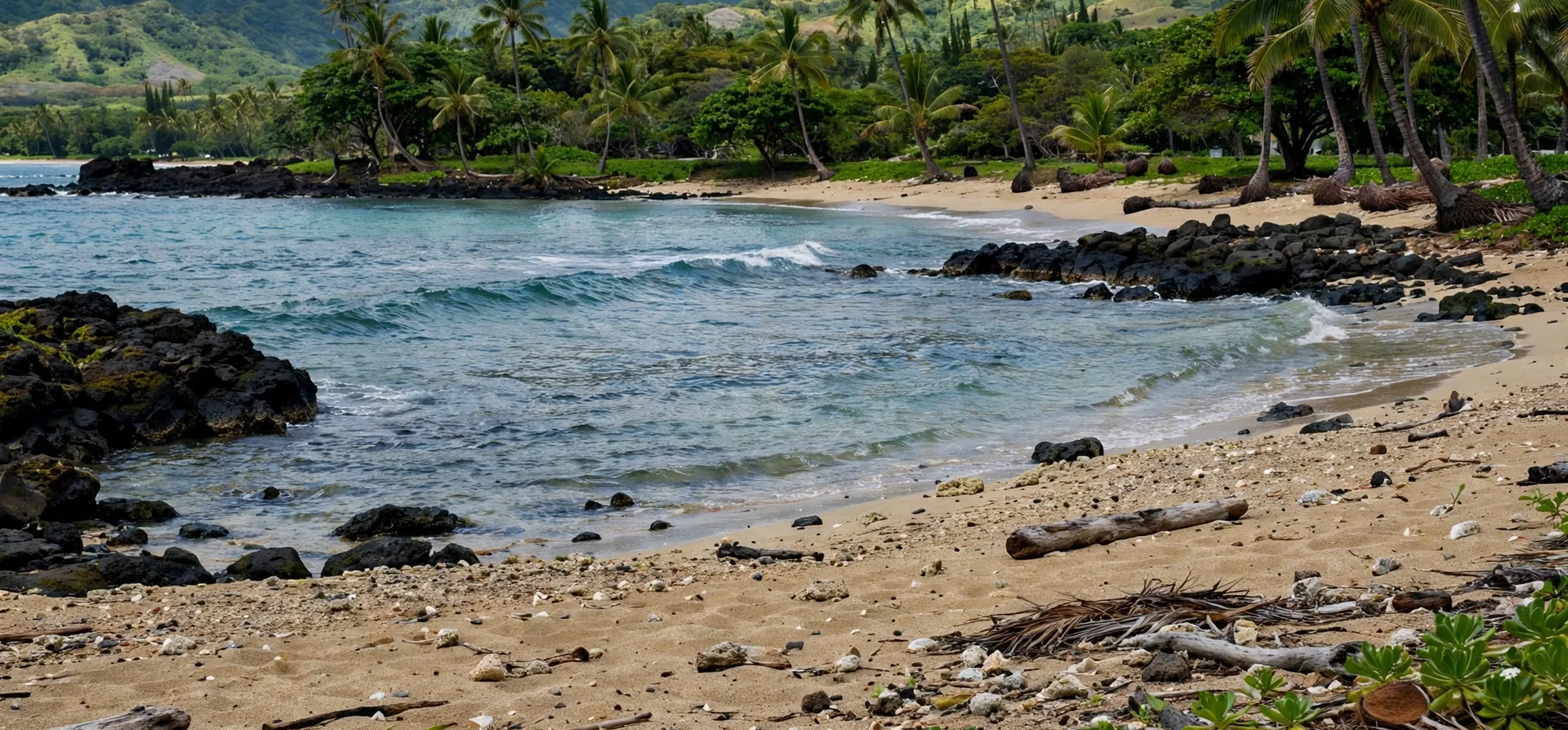
What set hawaii 5’o apart was not only its setting but how seriously it took that setting. Honolulu was not a backdrop pasted behind studio scenes; it was a working city with neighbourhoods, harbours, hotels and rural roads, and the show filmed across the island of Oahu. That location work gave the series a documentary texture unusual for its time, and it introduced international audiences to Hawaiian music, food, language and customs, even when the stories themselves followed familiar crime formulas. Modern viewers sometimes watch as much for the period portrait of Hawaii as for the plots.
The stories mixed several crime genres under one roof. Some episodes were straightforward murder investigations, others involved international intrigue, smuggling or political conspiracy, and a few leaned into suspense or character drama. The long-running rivalry with the criminal mastermind Wo Fat, played by Khigh Dhiegh, gave the series a recurring villain in an age when most shows reset completely each week. That thread rewarded loyal viewers without punishing casual ones, a balance that later long-running dramas would refine. The show also reflected the concerns of its era, including organised crime, drug trafficking and Cold War tensions, in ways that now read as a time capsule of the period.
Production history adds another layer of interest. The series survived changes in cast, in television fashion and in its own time slot, running for twelve seasons and 284 episodes, which made it one of the longest-running crime dramas of its day. Its success helped establish Hawaii as a viable production centre, paving the way for later series filmed on the islands. The show’s influence on the genre is easy to trace: the elite-unit format, the strong sense of place, and the blend of procedural cases with a recurring antagonist all became standard tools for the crime dramas that followed. Fans of classic television often enjoy comparing it with other long-running series of the period, such as the retro action of Airwolf or the ensemble charm of Bewitched, each of which shows a different side of the same television era.
The Later Revival and How It Differs
Many people who search for hawaii 5’o today are thinking of the revival that aired from 2010 to 2020, and it is worth explaining how it relates to the original. The revival kept the premise, the setting and the unit name, but it rebuilt the team with new actors: Alex O’Loughlin as Steve McGarrett and Scott Caan as Danny Williams, alongside Daniel Dae Kim as Chin Ho Kelly and Grace Park as Kono Kalakaua in the early seasons. The tone was faster, more action-driven and more serialised, with longer character arcs and modern production values, reflecting how television drama had changed in thirty years.
The two versions of hawaii 5’o reward different kinds of viewing. The original offers period atmosphere, location photography and self-contained stories, while the revival offers contemporary pacing, ensemble humour and long-term character development. Neither replaces the other, and many fans enjoy both for different reasons. If someone recommends a hawaii 5’o episode or quotes a scene, asking which version they mean will save confusion, because character details, relationships and even the spelling of names can differ between the two. The revival also introduced the show to a new generation, which is why the original now finds fresh audiences curious about where the format began.
| Feature | Original series (1968 to 1980) | Revival (2010 to 2020) |
|---|---|---|
| Lead actor as McGarrett | Jack Lord | Alex O’Loughlin |
| Format | Mostly self-contained episodes | Mix of cases and longer character arcs |
| Setting | Honolulu and Oahu, filmed on location | Honolulu and Oahu, filmed on location |
| Length | Twelve seasons | Ten seasons |
| Signature element | Theme tune and McGarrett’s catchphrase | Updated theme and the McGarrett and Danny partnership |
Where New Viewers Should Start
New viewers of hawaii 5’o have an easy entry point, because the original series rarely demands viewing in strict order. Starting with the first season gives you the cleanest introduction to McGarrett, Danny and the unit, and to the show’s visual style at its freshest. If you prefer a quicker taste, pick any mid-run episode and judge the show on its atmosphere, its guest cast and its location work rather than on plot twists alone, because the series was designed to be enjoyed that way. Viewers who fall in love with the setting often go on to explore other classic series guides, including ensemble sitcom casts and the many television explainers on this site.
It helps to watch with period expectations. Dialogue, attitudes and production techniques belong to the late nineteen sixties and nineteen seventies, and some elements will feel dated. That dated quality is part of the appeal for most fans: the cars, the clothes, the offices and the Honolulu streetscapes are a record of a real place at a real time, preserved inside a fictional format. Viewed that way, the original hawaii 5’o becomes more than a crime show. It becomes a weekly postcard from an island finding its place on the world television map.
hawaii 5’o: Frequently Asked Questions
Why is it written Five-0 and not Five-O?
The unit is called Five-0, with a zero, as a fictional designation for the state police team. The letter O is a common misreading, which is why searches for hawaii 5’o and Hawaii Five-0 usually point to the same show.
When did the original series run?
The original series ran from 1968 to 1980, lasting twelve seasons. Its longevity made it one of the defining crime dramas of its era and established its theme tune and characters in popular culture.
Is the revival the same show as the original?
No, it is a reimagining with the same premise, setting and unit name, but a new cast, a faster tone and modern serialised storytelling. Both versions stand on their own, and many fans enjoy comparing them.
Where can I watch the original series?
Availability varies by country and changes over time, so check official listings and licensed services in your region rather than unofficial sources. Licensed availability is the reliable route, and it supports the rights holders who keep classic series in circulation.
Conclusion: Why hawaii 5’o Endures
hawaii 5’o endures because it combined three things that rarely arrive together: a distinctive place, a durable format and a lead character audiences trusted. The original series turned Honolulu into a television star, gave crime drama an elite-unit template that later shows would reuse, and left behind music and catchphrases that still trigger instant recognition. Whether you arrive through the original, the revival, or a search for hawaii 5’o that began with a spelling question, the show offers the same reward: sunlit location work, self-contained stories and a team that feels like a team. Start at the beginning, watch a handful of hawaii 5’o episodes, and you will quickly understand why a police unit named with a zero became a permanent part of television history.