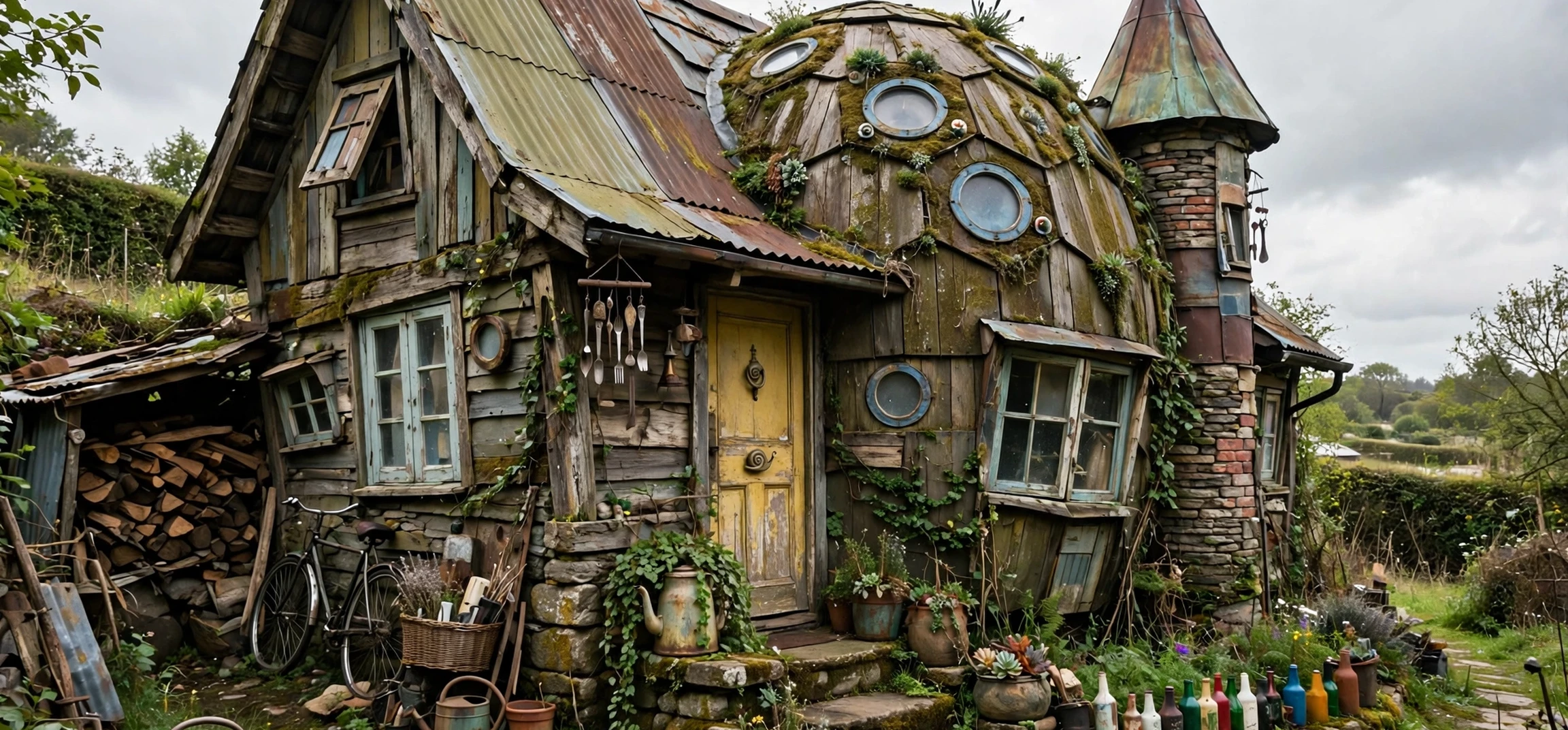
An ugly houses show is a television format built on a simple, satisfying idea: take a home that looks unappealing, outdated, or downright strange, and follow what happens next. Sometimes the house is transformed beyond recognition. Sometimes it is celebrated exactly as it is. Either way, viewers keep watching because the format mixes curiosity, design, humour, and the comforting feeling of seeing a problem solved. This guide explains what an ugly houses show usually involves, why the format works, what kinds of houses appear, and how to watch this kind of programme with a critical eye.
The appeal starts with the reveal. Most episodes open with a property that makes a strong first impression for the wrong reasons: garish colours, cluttered rooms, awkward extensions, dated fixtures, or a layout that seems to fight against the people living in it. The presenters or designers then walk through the home, point out what is not working, and explain what could change. That walkthrough is the heart of the ugly houses show format, because it turns a private home into a puzzle the audience can try to solve along with the experts.
Ugly Houses Show Format: How Episodes Usually Work
Although details vary from one programme to another, the typical ugly houses show follows a recognisable structure. First comes the introduction to the homeowners and their frustrations: a kitchen they avoid using, a living room nobody sits in, or a house they love but cannot sell. Then comes the tour, where the problems are named one by one. Next, designers or builders present a plan, often with drawings or visualisations that help viewers picture the change. The middle of the episode follows the work, including the inevitable surprises hidden behind walls or under floors. Finally, the reveal shows the finished result, and the homeowners react.
That structure matters because it gives viewers two pleasures at once. There is the practical pleasure of learning about design: why a room feels dark, how light and layout affect mood, and which changes make the biggest difference for the least disruption. There is also the emotional pleasure of a story with a clear arc, from frustration to resolution. The best episodes balance both, so the audience learns something useful while still enjoying the transformation.
Ugly Houses Show: The Types of Houses That Appear
Not every unattractive house is unattractive for the same reason, and the format covers several distinct types. Some homes are dated, frozen in the decade they were last decorated, with patterned carpets, dark wood, and fixtures that belonged to another era. Some are cluttered or poorly maintained, where the bones of the house are sound but years of accumulated belongings and deferred repairs hide them. Some are architecturally awkward, with extensions added at different times, rooms that do not connect sensibly, or windows placed where they admit little light.
Then there are the deliberately eccentric homes: houses painted in startling colours, decorated around a single bold theme, or built in an unusual shape. These episodes work differently, because the question is not always how to fix the house but whether it should be fixed at all. A home that one viewer calls hideous, another may call characterful, and the programme often leans into that disagreement. The tension between personal taste and broad appeal is part of the entertainment, and it is also a useful reminder that ugliness in housing is often a matter of opinion rather than fact.
| House type | Typical problems | What episodes usually change |
|---|---|---|
| Dated interior | Old fixtures, dark colours, worn surfaces | Paint, lighting, flooring, and updated fittings |
| Cluttered or neglected | Overflowing rooms, deferred repairs | Clearing, repairing, and re-organising space |
| Awkward layout | Poor flow, dark rooms, odd extensions | Opening up rooms and improving light |
| Eccentric or themed | Bold colours or unusual features | Softening extremes while keeping character |
| Exterior eyesore | Overgrown garden, tired facade | Paint, planting, and entrance improvements |
Ugly Houses Show: Why Viewers Keep Watching
Part of the draw is the before-and-after contrast, one of the most reliable pleasures in television. A dramatic transformation delivers a clear payoff for the time invested in watching, and the reveal is often staged to maximise it, with the homeowners seeing the result for the first time on camera. Viewers also enjoy the judgement element: deciding for themselves whether the original house really was ugly, whether the redesign is an improvement, and what they would have done differently.
There is a practical draw as well. Many viewers watch an ugly houses show while thinking about their own homes. The episodes demonstrate ideas that transfer to real life, such as painting a dark room a lighter colour, improving storage, or rethinking a room layout before spending money on structural work. Even when the budgets on screen are larger than a typical household budget, the principles often scale down: light, layout, colour, and clutter control matter at every price level.
The format also taps into a gentler curiosity about how other people live. Homes reveal habits, histories, and personalities, and seeing inside a stranger’s house feels intimate in a way that other factual formats do not. The homeowners’ stories give the design work emotional stakes, so the reveal is not only about paint and furniture but about whether a family can enjoy their home again.
Ugly Houses Show: Design Lessons Worth Taking Home
Despite the entertainment framing, an ugly houses show often teaches sound design lessons. The first is that light transforms a room more cheaply than almost anything else: clearing a window, choosing lighter paint, or adding layered lighting can change how a space feels without structural work. The second is that layout matters more than decoration. A room with good flow and a clear purpose feels better than a beautifully decorated room that is awkward to use.
The third lesson is restraint. Many ugly houses are ugly because too much is happening at once: too many colours, too many patterns, too much furniture. Removing elements, repeating a small palette, and giving the eye places to rest usually improves a room faster than adding new features. The fourth lesson is that first impressions are dominated by the entrance and the exterior. A tidy garden, a freshly painted door, and a clear path to the entrance change how the whole property is perceived, which is why exterior episodes often feel so satisfying.
For viewers interested in other television formats, the same storytelling pattern appears across factual entertainment, from classic cast-led programmes such as According to Jim to retro favourites like Airwolf, each using a familiar structure to keep audiences coming back.
Ugly Houses Show: Watching With a Critical Eye
It is worth remembering that television compresses reality. Renovations that appear to take days on screen may have taken weeks, budgets may exclude labour or donated materials, and some problems may be simplified for the narrative. That does not make the format dishonest, but it does mean viewers should treat on-screen costs and timelines as illustrative rather than as quotes for their own projects. Anyone planning real work should get independent advice and quotes rather than relying on a programme’s figures.
There is also a tone question. Labelling someone’s home ugly can feel harsh, even when the homeowners have volunteered and are enthusiastic about the change. The better programmes handle this with warmth, focusing on the house rather than the people, and celebrating what the homeowners love about their home alongside what needs to change. Viewers can enjoy the format while still noticing when the humour tips from playful into unkind, and that awareness makes the viewing experience richer rather than smaller.
Ugly Houses Show: Frequently Asked Questions
What is an ugly houses show?
An ugly houses show is a television format in which presenters or designers visit a home considered unattractive, outdated, or awkward, explain what is not working, and either transform it or celebrate its quirks, usually ending with a reveal of the finished result.
Are the houses on an ugly houses show real homes?
Yes, the format typically features real homeowners and real properties, although filming condenses the timeline and may simplify costs and practical details for storytelling purposes.
Can I use ideas from an ugly houses show in my own home?
Yes, many ideas transfer well, especially around light, layout, colour, and decluttering. For structural work, electrical work, or plumbing, always get advice from qualified professionals and local quotes before starting.
Why do some episodes keep the house as it is?
Because taste is subjective. Some homes are eccentric rather than broken, and the programme may conclude that the character is the point, or that modest changes are better than a full transformation.
Conclusion
An ugly houses show endures because it combines a clear story, practical design ideas, and the simple joy of a dramatic before-and-after. Whether the house is dated, cluttered, awkwardly laid out, or boldly eccentric, the format invites viewers to judge, learn, and imagine what they would do differently. Watch it for entertainment, take home the lessons about light, layout, and restraint, and treat the budgets and timelines as television shorthand rather than real-world quotes. Seen that way, the ugly houses show is more than a guilty pleasure: it is a friendly introduction to how homes work, why some spaces feel good, and how small changes can make a house feel like home again.



