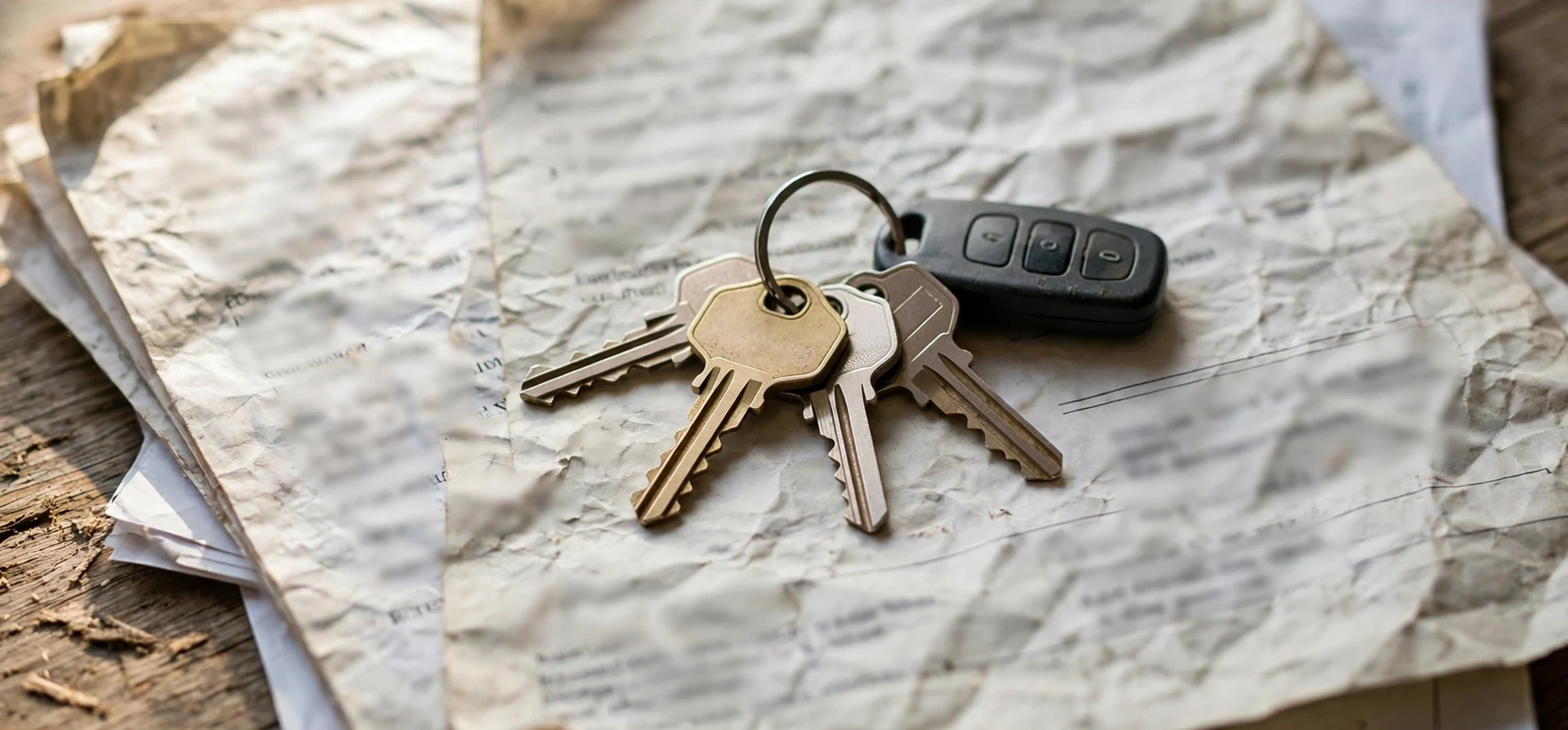
Changing names on a house deed is a process that many homeowners consider after marriage, divorce, inheritance, or buying property with a partner. This guide offers general education only, and it is not legal advice. It explains, in broad terms, how deeds work, what kinds of name changes people commonly explore, and which official channels are involved, so you can have an informed conversation with a qualified professional in your area before taking any step.
What changing names on a house deed Usually Means
A house deed is the legal document that records who owns a property. Changing a name on a deed generally means preparing and recording a new deed that reflects the updated ownership, rather than simply editing the old document. The exact form, wording, and recording process vary by location, because property recording is handled at a local level in many countries, often by a county recorder, land registry, or equivalent office. That local variation is why general guides can explain the concepts but cannot substitute for advice about a specific property.
People explore deed name changes for many reasons. A couple may wish to hold a home jointly after marriage, a homeowner may wish to add a partner or family member, or ownership may need updating after a death or divorce settlement. Each situation raises different questions about ownership shares, tax, mortgages, and the rights of everyone named, and those questions deserve professional attention. A deed change can have lasting consequences, so it should never be treated as a simple administrative formality.
Common Ways Ownership Is Held
Before changing a deed, it helps to understand the broad forms of ownership that exist in many areas, though the names and rules differ by location. Sole ownership means one person owns the property. Joint ownership can mean two or more people own it together, sometimes with a right of survivorship, where the surviving owner automatically receives the deceased owner’s share, and sometimes as tenants in common, where each owner holds a defined share that can pass separately. Which form applies affects what happens on death, divorce, or sale, and changing from one form to another is a significant decision.
The current deed, together with any mortgage documents, will show how the property is currently held. Reading those documents carefully, and asking a qualified professional to explain any unfamiliar terms, is a sensible first step. It is also important to check whether a mortgage lender must be informed or must consent before a name change, because many mortgage agreements include conditions about changes in ownership. Proceeding without checking those conditions can create complications with the loan, even when the deed change itself seems straightforward.
Why the Mortgage Matters
A mortgage is a loan secured against the property, and the lender has an interest in who owns it. Some loan agreements require the lender’s written consent before an ownership change, while others require notification within a set time. A professional can review the loan documents and explain what applies in a particular case, and can advise whether the lender should be contacted before any deed is prepared. This step is often overlooked, but it protects both the current owner and the person being added from unexpected loan issues later.
Steps People Commonly Explore When changing names on a house deed
In broad terms, the process people explore usually begins with confirming the current ownership from the official record, then deciding on the new ownership arrangement with professional advice, then having a new deed prepared, signed, and recorded with the local recording office. Signing often requires witnesses or notarisation, depending on local rules, and recording means filing the deed with the official office so the public record reflects the change. Fees, forms, and timelines vary widely, so the local recording office or a qualified professional is the right source for the details that apply to a specific property.
Accuracy matters at every stage. Names should be spelled exactly as they appear on identity documents and as the recording office requires, and the property description should match the existing record. Errors in a deed can cause delays, require correction documents, or create confusion in a future sale, so documents are normally checked carefully before recording. Keeping copies of the recorded deed, together with any related correspondence, gives the owners a clear record of the change for future reference.
Official Channels and Where to Ask Questions
The key official channel for a deed change is the local office that records property documents, often called a county recorder, register of deeds, or land registry, depending on location. That office can explain its own forms, fees, and filing requirements, and can confirm what is already recorded for a property. It generally cannot give legal advice about which ownership form is best, or about tax or inheritance consequences, so its guidance should be combined with advice from a qualified lawyer or licensed conveyancer where appropriate.
Other official sources can also help. A local government website may publish general information about recording deeds, and a professional body for lawyers or conveyancers may offer directories for finding qualified help. For related address-record research, see this property records by address and this guide to locating an address from coordinates. Using official channels for forms and filing, and qualified professionals for decisions, is the safest combination: it keeps the paperwork correct and the choices informed.
Risks and Things to Consider First
Adding a name to a deed gives that person legal ownership rights, which can affect future sales, refinancing, and inheritance. It can also affect tax, benefits, and liability, depending on location and circumstances. Removing a name is equally significant, because it gives up ownership rights. These consequences are why professionals often advise homeowners to think through the long-term picture, including what should happen if relationships change or if an owner dies, before recording any change. A deed change made in haste can be difficult and costly to reverse.
Fraud prevention is another reason to use official channels and careful identification checks. Property fraud, where someone attempts to transfer ownership without authority, is a recognised risk in many areas, and recording offices and professionals use identity and signature checks to guard against it. Homeowners should keep deed documents secure, be cautious about sharing personal details, and report any suspicious correspondence about their property to the relevant official office promptly.
Conclusion
In summary, changing names on a house deed is a significant legal step that involves preparing and recording a new deed through official channels, with attention to the current ownership form, any mortgage conditions, and the long-term consequences for everyone involved. This guide is general education only and is not legal advice. Anyone considering a deed change should confirm the local requirements with the recording office and discuss their specific situation with a qualified professional before signing or filing anything. That careful approach protects the property, the owners, and the value of the change itself.
Documents Homeowners Often Gather First
Before seeking advice, homeowners often gather the current deed, recent mortgage statements, and any settlement or court documents relevant to the change, such as a divorce settlement or probate papers. Having those documents ready makes a professional consultation more productive, because the adviser can see exactly how the property is currently held and what conditions already apply. It also helps to note the full legal names, as they appear on identity documents, of everyone who will be named on the new deed, and the property description exactly as shown on the existing record.
Keeping these documents secure is important. Original deeds and related papers should be stored safely, with copies kept separately, and sensitive personal details should only be shared with verified professionals and official offices. If an original document is lost, the recording office can often provide a certified copy of the recorded deed, and a professional can advise on the steps for that specific location. Starting with complete, accurate documents reduces delays and helps ensure the new deed is prepared correctly the first time.
After a Deed Is Recorded
Once a new deed is recorded, the owners should receive or be able to obtain a copy showing the recording details, and the public record should reflect the updated ownership. It is sensible to check that copy carefully for spelling and property-description errors, and to raise any mistake promptly through the appropriate correction process for that location. Owners should also update related records where relevant, such as home insurance and local tax records, and inform the mortgage lender if that has not already been done, so all records stay consistent.
A recorded deed change does not end the need for good record-keeping. Keep the recorded deed with other property documents, note the recording date and reference for future use, and let any relevant professionals, such as an estate planner, know about the change so wills and related plans can be reviewed. Property ownership interacts with many parts of life, from insurance to inheritance planning, and keeping every record aligned avoids confusion years later when the property is sold, refinanced, or passed on.
Questions to Ask Before Changing names on a house deed
When changing names on a house deed, a good first question is which ownership form best fits the household, and what happens to each share if an owner dies or the relationship changes. A second question concerns the mortgage: does the lender need notice or consent, and what paperwork does the lender require. A third question concerns tax and benefits, which can vary by location and by the size of the share being transferred. Asking these questions before changing names on a house deed helps ensure the decision is made with full information, rather than discovered afterwards.
Another useful set of questions concerns timing and cost. When changing names on a house deed, how long does recording normally take in that area, what fees apply, and what happens if a document contains an error. Homeowners should also ask who will prepare the new deed, who will check it, and how the recorded copy will be delivered. Clear answers to these practical questions make changing names on a house deed smoother, and they reduce the chance of a filing being rejected for an avoidable mistake.
Finally, when changing names on a house deed, ask what records should be updated afterwards, including insurance, local tax records, and any estate plan. A deed change touches more than the public record, and updating related documents keeps everything consistent. Taking time over these questions, with qualified professional advice, is the responsible way to approach changing names on a house deed, and it protects everyone whose name will appear on the new deed.
Common Mistakes When Changing names on a house deed
One common mistake when changing names on a house deed is rushing to file before checking the mortgage conditions, the current ownership form, and the exact spelling of every name. Another mistake when changing names on a house deed is using an outdated property description or a form meant for a different location, which can lead to the filing being rejected. Taking time before changing names on a house deed to confirm each detail with the recording office and a qualified professional avoids most of these errors.
A second mistake when changing names on a house deed is forgetting to update related records after the filing, such as insurance and local tax records, so different records show different owners. A third mistake when changing names on a house deed is assuming that a handshake agreement about shares is enough, when the deed itself is the document that records ownership. Clear paperwork before changing names on a house deed, and consistent records afterwards, protect everyone involved.
A final mistake when changing names on a house deed is treating the process as purely administrative, without considering inheritance, tax, or future sale consequences. Because changing names on a house deed creates lasting legal rights, it deserves the same care as buying the property in the first place. Professional advice before changing names on a house deed is the simplest way to avoid a costly correction later.
| Situation | General consideration | Who can advise |
|---|---|---|
| Adding a partner after marriage | Ownership form and survivorship | Qualified property lawyer |
| Updating after divorce | Settlement terms and mortgage | Qualified property lawyer |
| Inheriting a property | Probate and existing ownership | Qualified property lawyer |
| Adding a family member | Shares, tax, and future sale | Qualified property lawyer |
Frequently Asked Questions
Is changing a name on a deed the same as changing a mortgage?
No. A deed records ownership, while a mortgage is a loan secured against the property. Changing a deed does not automatically change the mortgage, and the lender may need to be informed or give consent.
Can I just edit the old deed by hand?
Generally no. A name change normally involves preparing and recording a new deed through the official recording office, following local rules for signing, witnessing, and filing.
Where do I find the official recording office?
Property recording is usually handled locally, by a county recorder, register of deeds, or land registry, depending on location. A local government website can identify the correct office for a property.
Do I need a lawyer to change a deed?
Requirements vary by location, but because a deed change has lasting legal, tax, and mortgage consequences, discussing the specific situation with a qualified professional is strongly advisable. This guide is general education only, not legal advice.