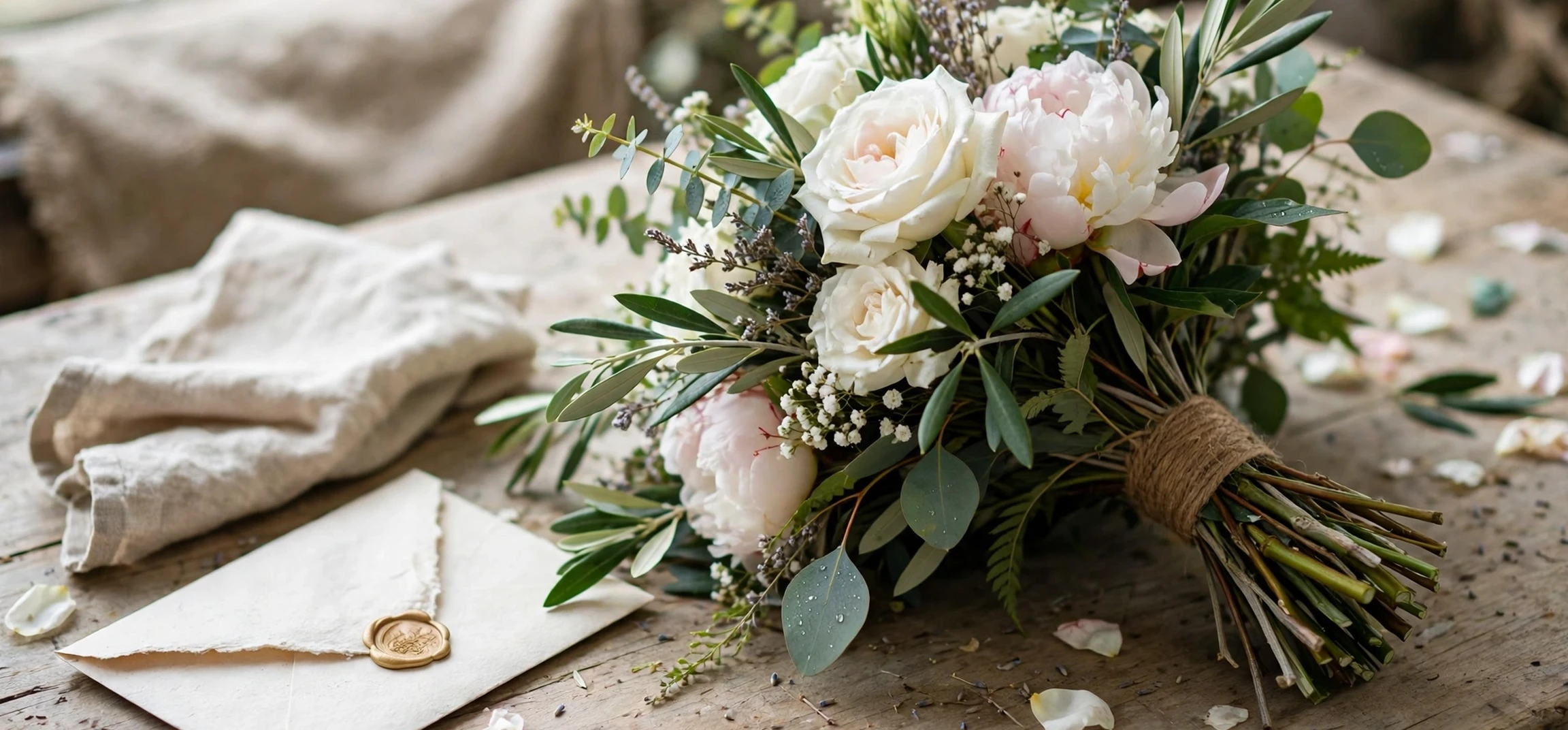
The maid of honour meaning in practice is best understood through what the role actually involves: the maid of honour is the bride’s chief helper before, during, and after the wedding. This guide focuses deliberately on the duties and responsibilities of the role, a distinct angle from a general explainer of the term’s origins. If you have just been asked to be a maid of honour, this is the practical companion: what to expect, when each task falls, how to support the bride without taking over, and how to look after yourself along the way.
Every wedding is different, and no two maids of honour do exactly the same job. A small registry wedding, a large religious ceremony, and a destination celebration each place different demands on the bridal party. The framework below therefore separates duties into stages, before the wedding, on the day, and afterwards, so you can adapt it to the couple’s plans, budget, and culture rather than following a rigid checklist that does not fit their day.
Maid of Honour Meaning Before the Wedding: Planning Duties
Before the wedding, the maid of honour meaning is mostly about steady, practical support. Typical tasks include helping the bride choose a dress and attending fittings, helping organise the hen party or bridal shower if the couple wants one, coordinating the other bridesmaids on dresses, schedules, and costs, and being a sounding board for decisions without adding pressure. The best maids of honour are organised, honest about budgets, and calm when plans change, because plans almost always change.
Money deserves an early, kind conversation. Bridesmaid dresses, travel, accommodation, gifts, and party costs can add up quickly, and a good maid of honour raises the topic early rather than letting resentment build. Agreeing a rough budget, sharing costs fairly, and telling the bride promptly if something is unaffordable protects both the friendship and the wedding. The same honesty applies to time: if work or family commitments limit availability, saying so early lets the bride plan around it.
- Dress support: attend shopping trips and fittings, help with choices and alterations.
- Bridal party coordination: keep bridesmaids informed about dates, outfits, and plans.
- Hen party or shower: help plan and host if the couple wants a celebration.
- Emotional support: listen, reassure, and keep wedding stress in perspective.
- Practical errands: help with invitations, favours, or venue visits when asked.
Maid of Honour Meaning on the Day: Ceremony Duties
On the wedding day, the maid of honour meaning becomes visible and hands-on. She typically helps the bride dress, keeps her calm, carries an emergency kit with tissues, safety pins, plasters, and touch-up essentials, and travels with her to the venue. During the ceremony she stands nearest the bride, holds the bouquet during the vows, straightens the train or veil when needed, and may hold the rings or sign as a witness. These small tasks matter because they let the bride stay present in the ceremony instead of worrying about details.
At the reception, the maid of honour often gives a speech or toast, helps the couple greet guests, keeps an eye on the schedule, and looks after the bride’s belongings, bouquet, and change of outfit. She may also coordinate with the best man, the photographer, and the venue staff so the couple are not pulled into logistics. The skill here is quiet competence: solving problems without making a fuss, and knowing when to step in and when to step back and let the couple enjoy themselves.
| Stage | Key duties | Tip |
|---|---|---|
| Before the wedding | Dress fittings, party planning, bridesmaid coordination | Agree budgets early and in writing |
| Morning of the wedding | Help dressing, calm support, emergency kit | Pack the kit the night before |
| Ceremony | Hold bouquet, adjust train, witness or hold rings | Rehearse positions at the rehearsal |
| Reception | Speech or toast, guest help, schedule watch | Keep the speech short, warm, and kind |
| Afterwards | Return outfits, help with gifts, thank-you support | Offer help before being asked |
The Speech and Toast: How to Get It Right
Many maids of honour worry most about the speech, and the advice is simpler than it seems. Keep it short, warm, and focused on the couple rather than on long stories about yourself. A good structure is a brief introduction, a kind memory that shows the bride’s character, a welcome to the partner, and a toast to their future. Avoid embarrassing stories, inside jokes nobody else understands, and anything about past relationships. Practising aloud once or twice, and keeping notes on a card rather than a phone, makes delivery calmer.
If public speaking feels daunting, tell the bride early. Many couples are happy for the maid of honour to give a short toast rather than a full speech, to share the speech with another bridesmaid, or to skip it entirely. There is no rule that requires a speech, and a relaxed maid of honour serves the day better than a stressed one forcing a performance. What guests remember is warmth and sincerity, not length or polish.
Looking After Yourself in the Role
Being a maid of honour is a joyful responsibility, but it can also be tiring and expensive, and it is wise to look after yourself as well as the bride. Set boundaries kindly, keep your own rest and budget in view, and ask other bridesmaids or family members to share tasks rather than carrying everything alone. If disagreements arise within the bridal party, focus on the couple’s wishes and on practical solutions rather than on winning an argument about taste or tradition.
Friendship comes first. The wedding lasts a day, but the friendship is meant to last far longer, so protect it by being honest, generous, and forgiving when plans go wrong. A dress that arrives late, a speech that wobbles, or a schedule that slips will be forgotten quickly if the day itself is filled with kindness. The maid of honour who stays calm, laughs easily, and keeps the bride’s wellbeing at the centre will have done the job well, whatever the details.
For background on how wedding and naming terms are explained elsewhere on this site, see Annalise meaning of name and Brandon name meaning. Those explainers are useful if you are also helping with place cards, speeches, or readings that involve names and titles.
Frequently Asked Questions
Does the maid of honour pay for everything?
No. Costs are normally shared or agreed in advance, and the bride or couple often cover some items such as dresses or hair and makeup. The maid of honour may organise collections for parties and gifts, but she should not be expected to fund the wedding party alone. An early budget conversation prevents misunderstanding.
Can there be two maids of honour?
Yes. Many couples choose two maids of honour, for example two sisters or a sister and a best friend, and split the duties between them. The arrangement works best when each person’s tasks are agreed clearly so nothing is duplicated or missed.
What if I cannot attend every event?
Tell the bride as early as possible, explain honestly, and offer help in other ways, such as coordinating remotely or covering a specific task. Most brides understand work, distance, and family commitments, and an early conversation is always better than a last-minute absence.
A Practical Maid of Honour Timeline
A simple timeline helps a maid of honour stay organised without feeling overwhelmed. Several months before the wedding, focus on listening to the bride, helping with dress shopping, and agreeing budgets with the bridal party. Two to three months before, confirm outfits, travel, and party plans, and check who is doing what so tasks do not overlap. In the final month, attend the rehearsal if there is one, confirm timings with the venue and photographer, prepare the speech, and pack the emergency kit. On the week of the wedding, the job narrows to calm support: reassurance, practical help, and keeping the bride rested and fed.
After the wedding, the timeline does not end abruptly. Returning hired outfits, collecting personal items left at the venue, helping sort gifts and cards, and supporting thank-you notes are all small acts that the couple will appreciate. A thoughtful maid of honour also checks in a week or two later, once the excitement has settled, simply to ask how married life is going. That follow-up turns a wedding role into a lasting friendship gesture, which is, after all, the point of being chosen in the first place.
Common Mistakes to Avoid as Maid of Honour
The most common mistake is taking over. Enthusiasm is wonderful, but the wedding belongs to the couple, and a maid of honour who makes decisions without asking can create tension even with the best intentions. Offer ideas, present options, and let the bride decide. A second common mistake is overspending, either your own money or other bridesmaids money, on parties, outfits, or extras that were never agreed. Clear, early conversations about costs prevent most of these problems.
A third mistake is neglecting communication. Bridesmaids who do not know dates, dress codes, or meeting points cannot help effectively, so a simple group message with key details, updated when plans change, saves confusion. Finally, avoid gossip about wedding stress or family disagreements, which can travel quickly and add pressure. Discretion, humour, and a steady presence are the qualities that make a maid of honour memorable for the right reasons, long after the photographs have been shared.
Maid of Honour Meaning in Practice: A Duties Summary
Viewed through duties, the maid of honour meaning becomes a practical job description. The maid of honour meaning before the wedding is planning help, dress support, and bridal party coordination. The maid of honour meaning on the day is calm, hands-on support: helping the bride dress, holding the bouquet, and keeping the schedule on track. The maid of honour meaning at the reception is a warm speech or toast, guest support, and quiet problem-solving, and afterwards it is tidying up, returning outfits, and checking in on the couple. Anyone who understands the maid of honour meaning in those stages will understand the role far better than from the title alone.
Above all, the maid of honour meaning is about trust. The bride chooses the person she most wants beside her, and the maid of honour repays that trust with organisation, honesty about budgets, kindness in speech, and steady support. That is the maid of honour meaning that guests see, that couples remember, and that makes the role an honour in the fullest sense.
One final note on the role: the maid of honour meaning is clearest when duties are agreed early, budgets are discussed honestly, and the bride’s wishes lead every decision. That practical reading of the maid of honour meaning, shared with the bridal party in advance, prevents most misunderstandings and lets the maid of honour enjoy the celebration she has worked so hard to support.
Conclusion
In practice, the maid of honour meaning is a job of trust: helping the bride plan without pressure, standing beside her on the day with calm competence, supporting the celebration, and tidying up afterwards with grace. Duties vary by wedding, culture, and budget, but the core stays constant: be organised, be honest about money and time, be kind in your speech, and keep the friendship at the centre. Done that way, the role is not a burden but a privilege, and a memory both bride and maid of honour will treasure.