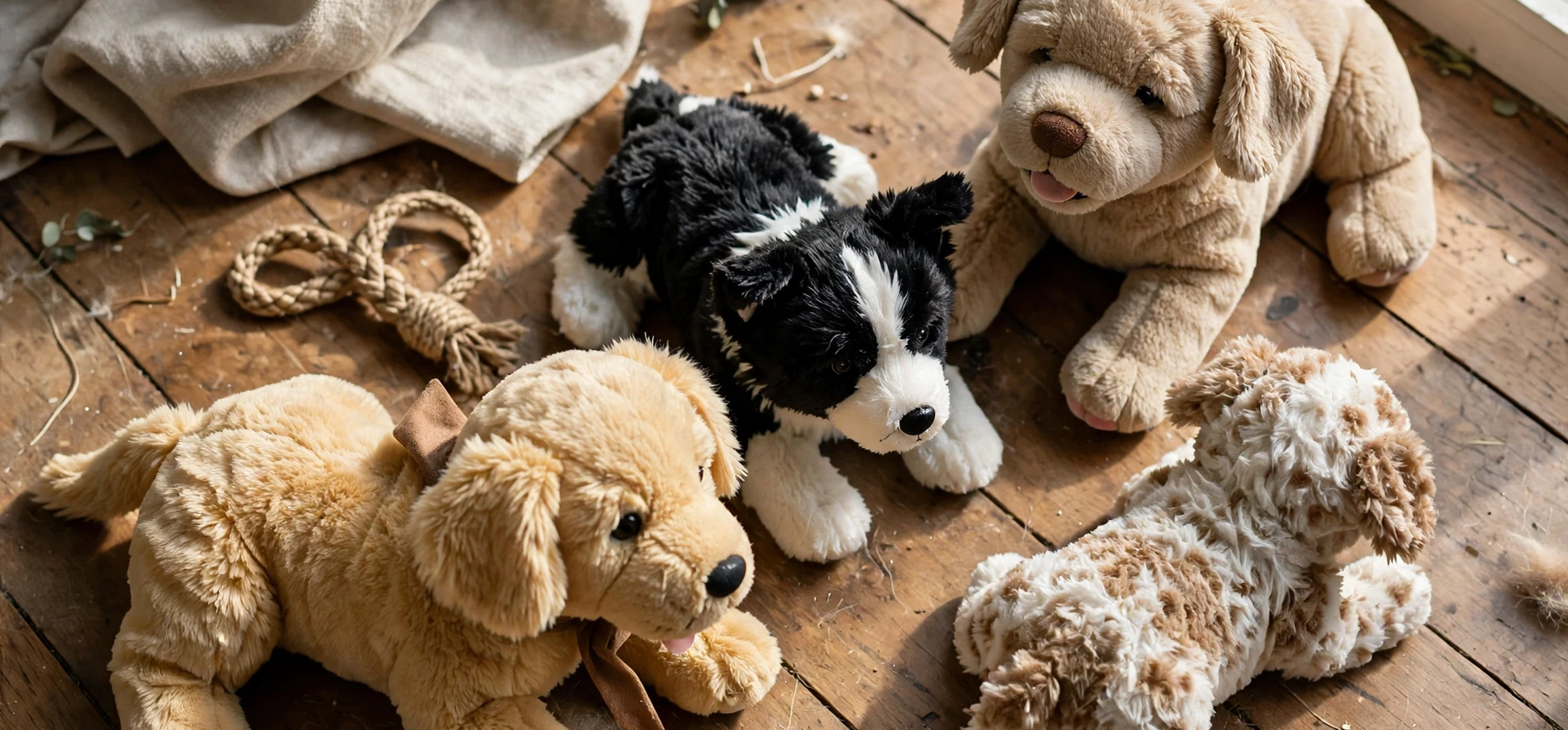
Choosing from the most popular puppy names is one of the first joyful jobs of bringing a new dog home. The most popular puppy names tend to share certain qualities: they are short, easy to call out, and distinct enough that a dog can learn them quickly. This guide lists the names that consistently top popularity charts, explains why some names work better than others, and offers tips for picking the right name for your new companion.
Popularity lists vary by year and by source, but the same names appear again and again. Classic human names, food names, and short cheerful words dominate, and trends shift slowly — a name that is popular today was often popular five years ago. Remember that popularity is only a starting point: the best name is one you enjoy saying, that your dog responds to, and that suits your household.
Most Popular Puppy Names for Female Dogs
Female puppy names on popularity lists are often soft, short, and familiar. Names that appear consistently include:
- Bella, Luna, Lucy, Daisy, Lily, Sadie, Lola, Bailey, Stella, and Zoey
- Other perennial favourites include Molly, Maggie, Sophie, Chloe, Penny, Ruby, Rosie, and Willow
Bella and Luna have topped many lists in recent years, reflecting a broader trend toward gentle, melodic names. Shorter names such as Zoey and Ruby are easy to call across a park, which is a practical advantage as well as a stylistic one. If you choose a popular name, expect to meet other dogs with the same name at the vet or the dog park — for most owners, that is part of the fun.
Most Popular Puppy Names for Male Dogs
Male puppy names on the lists are similarly short and strong. Regular chart-toppers include:
- Max, Charlie, Cooper, Milo, Teddy, Rocky, Bear, Duke, Leo, and Oliver
- Other favourites include Bentley, Zeus, Jack, Louie, Murphy, Toby, Finn, and Winston
Max has been a fixture for years, while names like Milo and Teddy reflect a trend toward friendly, approachable names rather than imposing ones. Bear and Rocky suit larger breeds in many owners’ minds, but plenty of small dogs carry big names with great charm. The name does not need to match the dog’s size — it needs to match your household’s taste.
Most Popular Puppy Names: Trends and Themes
Several themes recur in the most popular puppy names. Human names dominate: owners increasingly treat dogs as family members, and names like Charlie, Lucy, and Oliver reflect that. Food names — Biscuit, Cookie, Peanut, Oreo — are perennial, especially for smaller or lighter-coloured dogs. Nature names such as Willow, River, and Maple have grown in popularity alongside similar trends in baby names. Finally, pop-culture names spike after popular films and series, though these tend to fade faster than the classics.
| Theme | Example names | Why it works |
|---|---|---|
| Classic human names | Max, Bella, Charlie, Lucy | Familiar, easy to say, family feel |
| Food names | Biscuit, Cookie, Peanut, Oreo | Playful, often matches colouring |
| Nature names | Willow, River, Maple, Aspen | Gentle, modern, outdoorsy |
| Short and punchy | Zoey, Milo, Finn, Ruby | Easy for dogs to learn |
Tips for Choosing From the Most Popular Puppy Names
Trainers generally recommend one- or two-syllable names, because dogs learn short names faster and owners can call them quickly. Avoid names that sound like common commands — “Kit” can be confused with “sit”, for example — and avoid names that sound like another pet’s name in the same household. Test the name out loud, including calling it across a room and saying it in a firm tone: you will be saying it thousands of times, so it should feel natural.
It is also wise to pick a name the whole household can agree on and pronounce consistently. Dogs learn through repetition, and a name that changes — Bella one day, Bell one day, Isabella the next — slows learning. Nicknames are fine once the main name is learned, but start with one clear version.
Frequently Asked Questions
Should I avoid a very popular name?
Not necessarily. Popular names are popular because they work well. The only drawback is meeting other dogs with the same name, which most owners find harmless.
Can I change a rescue dog’s name?
Yes. Dogs learn new names readily with consistent use and positive reinforcement, and a new name can be part of a fresh start.
How long does it take a puppy to learn its name?
Most puppies begin responding within days to a couple of weeks of consistent, positive use, though full reliability takes longer.
Most Popular Puppy Names by Breed and Size
Popular puppy names often vary with breed and size, even though the overall charts look similar. Large breeds frequently receive strong, classic names — Max, Rocky, Bear, Duke — while small breeds often get cute or food-inspired names such as Biscuit, Peanut, and Cookie. These are tendencies, not rules: plenty of Great Danes are called Biscuit and plenty of Chihuahuas are called Zeus, and the mismatch is often deliberate and affectionate.
Working and sporting breeds sometimes receive names that reflect their jobs or heritage: retrievers called Scout or Hunter, herding dogs called Blue or Dash, and terriers called Jack or Pip. Such names can be a nod to the breed’s history, though they are never a requirement. The dog will not care whether its name matches its breed standard; it will care that the name is used consistently and kindly.
Breed-specific popularity lists are fun to browse, but they should not constrain you. The best name for your puppy is one that fits your household, not one that fits a breed stereotype.
Most Popular Puppy Names: Names to Avoid
A few naming pitfalls are worth avoiding. Names that sound like commands — “Kit” for sit, “Bo” for no, “Ray” for stay — can confuse training, especially for puppies still learning. Names that are very long or difficult to pronounce slow recall in urgent moments, such as calling a dog back from a road. And names that embarrass you to shout in public will be used less consistently, which slows learning.
It is also worth avoiding a name that is identical to another pet’s name or to a family member’s name in the same household, since that creates confusion for everyone. If you have two dogs, choose names that sound distinct from each other: “Molly” and “Polly” are harder to distinguish than “Molly” and “Rex”.
Finally, think about longevity. A joke name that amuses you for a week may feel less funny after ten years of vet visits and park calls. Choose a name you will still like when the puppy is a senior dog.
Beyond the Charts: Unique Puppy Names
If the most popular puppy names feel too common for you, there are plenty of ways to find a distinctive name without sacrificing practicality. Look to your interests: book characters, places you love, foods, music, or nature all provide short, distinctive options. “Juno”, “Maple”, “Banjo”, and “Wren” are all distinctive yet easy to call, and they carry personal meaning that a chart-topper may not.
Another approach is to adapt a popular name: “Bella” becomes “Belle”, “Max” becomes “Maxine” or “Maxwell”, “Luna” becomes “Lunar” or “Moon”. Adaptations keep the qualities that make popular names work — short, melodic, familiar — while giving your dog a name that stands out at the park.
Whatever you choose, test it for a day or two before committing. Puppies learn names quickly, but a day of testing costs nothing, and it lets you check that the name feels right in everyday use — called across the garden, spoken firmly, and said affectionately.
Most Popular Puppy Names: Letting Children Choose
When a family gets a puppy, children often want to choose the name, and involving them is a good idea — with guidance. Give children a shortlist of practical names rather than an open choice, so the final name is one the whole household can live with. Explain the trainer’s rules in simple terms: short names work best, names that sound like commands cause confusion, and the name should be one everyone can say the same way.
Children’s choices often reflect their own interests — cartoon characters, book heroes, favourite foods — and those can make wonderful dog names, provided they pass the practical tests. A name from a favourite story carries a happy association for the child, which strengthens the bond with the new puppy. The main risk is a name that becomes embarrassing or difficult as the child grows older, so steer gently toward names with lasting appeal.
Whatever name is chosen, let the child take part in teaching it: saying the name clearly, rewarding the puppy for responding, and using it consistently. That involvement gives children a sense of responsibility for the new family member, and it helps the puppy learn faster, since more people are reinforcing the same name in the same way.
Conclusion
The most popular puppy names — Bella, Luna, Max, Charlie, Cooper, and their companions on the charts — are popular for good reason: they are short, warm, and easy to use. Whether you pick a chart-topper or a unique name of your own, the best choice is one you love saying and your dog learns quickly. For more pet and lifestyle guides, see our name guides and practical explainers, plus our everyday definitions.



