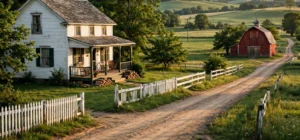
The eustace conway tv show story is, for most viewers, the story of one man on the reality series Mountain Men, where life off the grid takes the place of modern convenience. Eustace Conway is the long-running cast member whose homestead in the Blue Ridge Mountains of North Carolina became one of the show’s most recognisable settings. If you searched for the eustace conway tv show, you probably want to know who he is, what the show follows, how his life on screen differs from everyday life, and where Mountain Men fits in the wider world of outdoor reality television. This guide covers all of that, with a focus on the show itself and the adult cast, and without links to unofficial streams or downloads.
Mountain Men is a documentary-style reality series that follows people who live largely outside mainstream modern systems, hunting, trapping, farming, building, and preserving food as part of daily life. The show does not follow a scripted plot in the way a drama does. Instead, each episode visits several cast members in different locations and shows the seasonal work they are doing: preparing for winter, repairing shelters, managing livestock, or travelling through difficult terrain. Eustace Conway’s segments have often centred on his homestead, known as Turtle Island Preserve, and on teaching traditional skills to visitors and apprentices.
This overview explains the format of the show, Conway’s role within it, the skills and lifestyle it portrays, the criticisms and conversations around it, and how to watch it through legitimate channels. It is written for new viewers, returning fans, and anyone who has seen a clip of Conway online and wants the fuller context.
Eustace Conway TV Show: An Overview
The eustace conway tv show presence began when Mountain Men premiered and introduced viewers to a group of people living in remote parts of the United States. Conway, based in North Carolina, stood out because his life combined homesteading, teaching, and a long personal history of living close to nature. While other cast members focused more on trapping or hunting in the far north or the deep wilderness, Conway’s story often involved a working homestead: gardens, timber buildings, workshops, and a community of people learning older ways of living.
Episodes featuring Conway typically follow a seasonal rhythm. Spring brings planting and building repairs. Summer brings teaching sessions, visitors, and food preservation. Autumn brings harvesting, firewood, and preparation for cold weather. Winter brings the hardest test, when snow, ice, and short days make every task slower and more demanding. This seasonal structure gives the show a natural arc, and it helps viewers understand why off-grid life is described as a full-time commitment rather than a weekend hobby.
It is important to remember that Mountain Men is a produced television series. Cameras, crews, editing, and scheduling all shape what reaches the screen. The people on the show are real, and the skills are real, but the version viewers see is edited for story, pacing, and clarity. That does not make the show dishonest by itself, but it does mean viewers should treat it as an introduction to a lifestyle, not as a complete manual for living off the grid.
Who Is Eustace Conway?
Eustace Conway is an American naturalist, educator, and homesteader who became widely known through Mountain Men. Born in South Carolina and raised in a family that valued outdoor life, he developed an early interest in nature, camping, and self-reliance. As a young adult, he spent extended periods living outdoors, travelling on foot and by horseback, and learning traditional skills such as fire-making, shelter-building, and food preservation. Those experiences shaped the educational work that later became central to his public life.
Before television, Conway founded Turtle Island Preserve, an environmental education centre in North Carolina where visitors could learn about sustainable living, traditional crafts, and the natural world. The preserve offered workshops, school visits, and longer stays, and it reflected Conway’s belief that practical knowledge about nature should be passed on directly, through doing rather than only through books. The preserve’s timber buildings, gardens, and workshops became familiar sights to television viewers once the show began filming there.
On screen, Conway is often shown as a teacher as much as a homesteader. He instructs apprentices and visitors in skills such as chopping wood, building with hand tools, growing food, and understanding the land. He is also shown managing the practical side of the preserve: maintaining buildings, dealing with weather damage, and balancing the demands of a working homestead with the demands of filming. That combination of teacher and worker is what distinguishes his segments from those of cast members whose stories focus more narrowly on hunting or trapping.
The Format of Mountain Men
Mountain Men follows several cast members in parallel, cutting between locations so that each episode shows a range of climates, skills, and challenges. The cast has changed over the years, as people have joined, left, or taken breaks from filming, but the core idea has stayed the same: ordinary people, in the show’s framing, living extraordinary lives close to the land. Episodes are usually built around immediate tasks rather than long storylines, which makes the series easy to dip into at any point.
The show’s appeal lies in its contrast with modern life. Viewers who spend their days in offices, traffic, and digital routines often find something compelling about people who chop their own firewood, grow their own food, and repair their own shelters. The series also appeals to viewers interested in survival skills, history, and traditional crafts. Its tone is generally respectful toward its subjects, presenting them as skilled and determined rather than as curiosities. For related television coverage on this site, see our guides to Airwolf TV show and According to Jim TV show cast.
At the same time, the format raises questions that thoughtful viewers should keep in mind. Reality television compresses time, selects dramatic moments, and sometimes films tasks out of sequence for practical reasons. A repair that appears to take an afternoon may have taken days, and a journey that looks solitary may have involved a small crew nearby. None of this erases the skills on display, but it is a useful reminder that the show is a window onto a lifestyle, not the lifestyle itself in unedited form.
Skills and Lifestyle Shown in the Eustace Conway TV Show
The eustace conway tv show segments showcase a wide range of traditional skills. Building with timber and hand tools is a recurring theme, including the construction and repair of cabins, barns, and outbuildings. Gardening and food preservation appear regularly, from planting and harvesting to storing food for winter. Firewood is a constant concern: cutting, splitting, stacking, and drying wood takes a large share of time and energy, and the show often makes clear how much work heating a homestead through winter really involves.
Animal care also features, including the keeping of horses and other livestock that form part of a working homestead. Conway’s segments have shown the daily routines of feeding, watering, and caring for animals, as well as the larger seasonal jobs of fencing, shelter maintenance, and pasture management. Teaching is woven through all of this. Apprentices and visitors learn by working alongside Conway, and the show uses those teaching moments to explain skills that might otherwise look mysterious to a modern audience.
Beyond practical skills, the show portrays a philosophy of life: that living close to nature requires patience, planning, and respect for the land. Conway has often spoken about sustainability, simplicity, and the value of knowing where food, water, and shelter come from. Viewers who are drawn to that philosophy sometimes explore it further through books, courses, and local workshops, which is a safer route than trying to copy television homesteading without preparation, experience, or local knowledge.
Reception, Criticism, and Public Conversation
Mountain Men has attracted a loyal audience, and Conway has become one of its most discussed cast members. Fans often praise his knowledge, his teaching, and his commitment to a way of life that few people attempt. Clips of his work circulate widely online, and his homestead has become a point of interest for viewers who want to learn more about traditional living. That popularity has also brought scrutiny, which is normal for any long-running public figure on a reality series.
Critics of reality television in general point out that editing can exaggerate danger, compress timelines, and create storylines that feel more dramatic than everyday reality. Some viewers have also questioned how much of off-grid life can be sustained alongside television production, tourism, and public attention. These are fair questions, and they apply to the genre as a whole rather than to one person. The most balanced way to watch is to enjoy the skills and stories while remembering that the show is a produced programme, not a documentary filmed without any intervention.
There have also been public discussions about the management and future of Turtle Island Preserve, including questions about its organisation and direction over the years. Such matters are best followed through reputable news and official statements rather than through rumour threads, because the details of organisations, land, and governance are often complex. This guide does not speculate about private matters, and it focuses on what is relevant to viewers: the show, the skills, and the public educational work.
How to Watch Mountain Men Legitimately
Viewers who want to watch Mountain Men should use the official broadcaster or licensed streaming services available in their region. Availability changes over time as licensing agreements are renewed, so the best check is the official channel’s own schedule or programme page, or the catalogue of a licensed service in your country. Avoid unofficial upload sites, which may carry poor-quality copies, misleading episode listings, or security risks, and which do not support the people who make the show.
If you are new to the series, you do not need to start from the very first episode. Because the show is built around seasonal tasks and individual cast segments, most episodes stand alone reasonably well. A good starting point is any season that features Conway’s homestead work prominently, since those episodes give the clearest sense of his teaching and lifestyle. From there, you can follow the cast members whose locations and skills interest you most.
| Topic | What to know |
|---|---|
| Show | Mountain Men, documentary-style reality series about off-grid life |
| Cast member | Eustace Conway, naturalist, educator, and homesteader |
| Location | Blue Ridge Mountains, North Carolina |
| Homestead | Turtle Island Preserve, an environmental education centre |
| Core themes | Building, gardening, food preservation, teaching, seasonal preparation |
| Viewing tip | Use official broadcasters or licensed services in your region |
Eustace Conway TV Show: Seasons and Story Arcs
Across its run, the eustace conway tv show material has followed the same seasonal logic year after year, which is why long-time viewers can describe the rhythm so easily. In the eustace conway tv show segments, spring means repairs and planting, summer means teaching and visitors, autumn means harvest and firewood, and winter means the hardest test of the homestead. New viewers joining the eustace conway tv show late can pick up the pattern within a few episodes, because each season returns to the same essential jobs with new weather, new damage to repair, and new people to teach.
What keeps the eustace conway tv show segments engaging over many seasons is not a single dramatic storyline but the accumulation of small, real jobs done well. Viewers watch a building repaired, a garden brought in, a workshop organised, and a group of apprentices learning a skill step by step. The eustace conway tv show approach rewards patience: the satisfaction comes from seeing work completed and knowledge passed on, not from manufactured conflict. For anyone sampling the series, the eustace conway tv show episodes centred on teaching are often the best introduction, because they explain the skills as they show them.
Frequently Asked Questions About the Eustace Conway TV Show
What show is Eustace Conway on? He is best known for Mountain Men, the reality series about people living largely off the grid in different parts of the United States.
Where is Eustace Conway based on the show? His segments are centred on his homestead and education centre in the Blue Ridge Mountains of North Carolina.
What does Eustace Conway do? He is a homesteader and educator, known for traditional building, gardening, food preservation, and teaching outdoor and sustainability skills.
Is Mountain Men scripted? It is a produced reality series, not a scripted drama. The people and skills are real, but filming and editing shape how stories appear on screen.
Can I visit Turtle Island Preserve? Visiting arrangements have varied over the years, so check current official information before planning a trip rather than relying on older episode details.
For new viewers, the eustace conway tv show episodes work best when watched in seasonal order, because the eustace conway tv show story builds through repeated tasks rather than a single plot. The eustace conway tv show teaching segments explain each skill before it is practised, the eustace conway tv show homestead scenes show the cost of heating and feeding a household off the grid, and the eustace conway tv show winter episodes show why preparation matters more than improvisation. Taken together, the eustace conway tv show gives a fair, watchable introduction to a demanding way of life.
Conclusion
The eustace conway tv show story is ultimately a story about skill, patience, and teaching. Through Mountain Men, Conway has introduced millions of viewers to a way of life built on timber, gardens, firewood, and hands-on knowledge, and to the idea that living close to nature is a discipline rather than a fantasy. Watched with a clear eye, as a produced series about real skills, the show offers both entertainment and a genuine introduction to traditional living. For viewers inspired to learn more, the best next step is a reputable course, book, or local workshop, where the skills on screen can be practised safely and properly.