World War 2 atomic bomb names are a sobering part of twentieth-century history. In August 1945, two atomic bombs were dropped on Japan, on the cities of Hiroshima and Nagasaki, in the final days of the Second World War. The bombs had the code names “Little Boy” and “Fat Man”, and their use remains one of the most debated decisions in modern history. This guide gives the historical facts: the names, the dates, the context, and the consequences, without technical detail about how such weapons are made.
World War 2 Atomic Bomb Names: Little Boy and Hiroshima
The first atomic bomb used in warfare was dropped on Hiroshima on 6 August 1945. Its code name was “Little Boy”. The bomb was carried by the American B-29 bomber Enola Gay, and it exploded over the city in the morning. The destruction was immense: much of the city centre was flattened, fires spread through the ruins, and tens of thousands of people were killed immediately, with many more dying in the following weeks and months from injuries and radiation effects.
Hiroshima was chosen as a target partly because it was a significant military and industrial centre that had not yet suffered the large-scale conventional bombing that had devastated other Japanese cities. The decision to use the bomb, taken by American political and military leaders, was presented at the time as a way to bring the war to a swift end and avoid a costly invasion of Japan.
World War 2 Atomic Bomb Names: Fat Man and Nagasaki
The second atomic bomb was dropped on Nagasaki on 9 August 1945. Its code name was “Fat Man”. It was carried by the B-29 bomber Bockscar. The original target for that mission was another city, but cloud cover led the crew to divert to the secondary target, Nagasaki, where the bomb exploded over an industrial valley area. The death toll was again enormous, with tens of thousands killed and the city devastated.
Between the two bombings, on 8 August, the Soviet Union declared war on Japan and invaded Japanese-held territory in Manchuria, adding further pressure on Japan’s government. On 15 August, Emperor Hirohito announced Japan’s surrender in a radio broadcast, and the formal surrender was signed on 2 September 1945, ending the Second World War.
Why the Bombs Had Code Names
The names “Little Boy” and “Fat Man” were informal code names used within the Manhattan Project, the American programme that developed the first atomic weapons. They referred to the bombs’ shapes: Little Boy was a long, thin weapon, while Fat Man was rounder. The Manhattan Project itself was named after the Manhattan Engineer District, the army organisation that ran it, and it involved research sites across the United States, including Los Alamos in New Mexico, where the weapons were designed, and Oak Ridge and Hanford, where materials were produced.
The first test of an atomic device, code-named Trinity, took place in New Mexico on 16 July 1945, weeks before the bombings. The test confirmed that the weapon worked, and it set in motion the decisions that led to August 1945.
The Legacy of the Bombings
The bombings of Hiroshima and Nagasaki killed well over 100,000 people, most of them civilians, and survivors, known in Japan as hibakusha, suffered long-term health effects. Both cities rebuilt after the war and became centres for peace advocacy, with memorial parks, museums, and annual commemorations on the anniversaries of the attacks.
The use of atomic weapons also shaped the post-war world. It began the nuclear age, led to an arms race between the United States and the Soviet Union, and prompted decades of debate about deterrence, disarmament, and the ethics of weapons of mass destruction. Historians continue to debate whether the bombings were necessary to end the war, whether Japan would have surrendered without them, and what alternatives existed. Those debates are part of why the history remains so widely studied.
| Bomb code name | City | Date | Delivery aircraft |
|---|---|---|---|
| Little Boy | Hiroshima | 6 August 1945 | Enola Gay |
| Fat Man | Nagasaki | 9 August 1945 | Bockscar |
World War 2 Atomic Bomb Names and the Decision to Use Them
The decision to use atomic bombs in August 1945 remains one of the most debated choices in history. American leaders at the time argued that an invasion of Japan would cost enormous casualties on both sides, pointing to the fierce fighting on Okinawa and Iwo Jima as evidence of how hard Japan would defend its home islands. They also argued that the bombs would shock Japan’s government into surrender quickly, saving lives overall. Supporters of this view note that Japan surrendered within days of the second bombing, and that the planned invasion never took place.
Critics argue that Japan was already close to surrender, that its navy and air force were crippled, that Soviet entry into the war added decisive pressure, and that a demonstration of the weapon, or a warning with more time to respond, might have achieved surrender without destroying two cities. They also point to the civilian death toll and the long-term suffering of survivors as reasons the bombings cannot be justified. Historians continue to examine documents, diaries, and diplomatic records, and no consensus has emerged, partly because the key question, what would have happened otherwise, can never be answered with certainty.
What is clear is that the decision was taken by a small group of political and military leaders, that it was shaped by the momentum of a long and brutal war, and that its consequences extended far beyond August 1945. Understanding the debate, rather than settling it with a slogan, is the honest way to approach this history, and it is why the bombings remain a staple of history education worldwide.
World War 2 Atomic Bomb Names in Remembrance Today
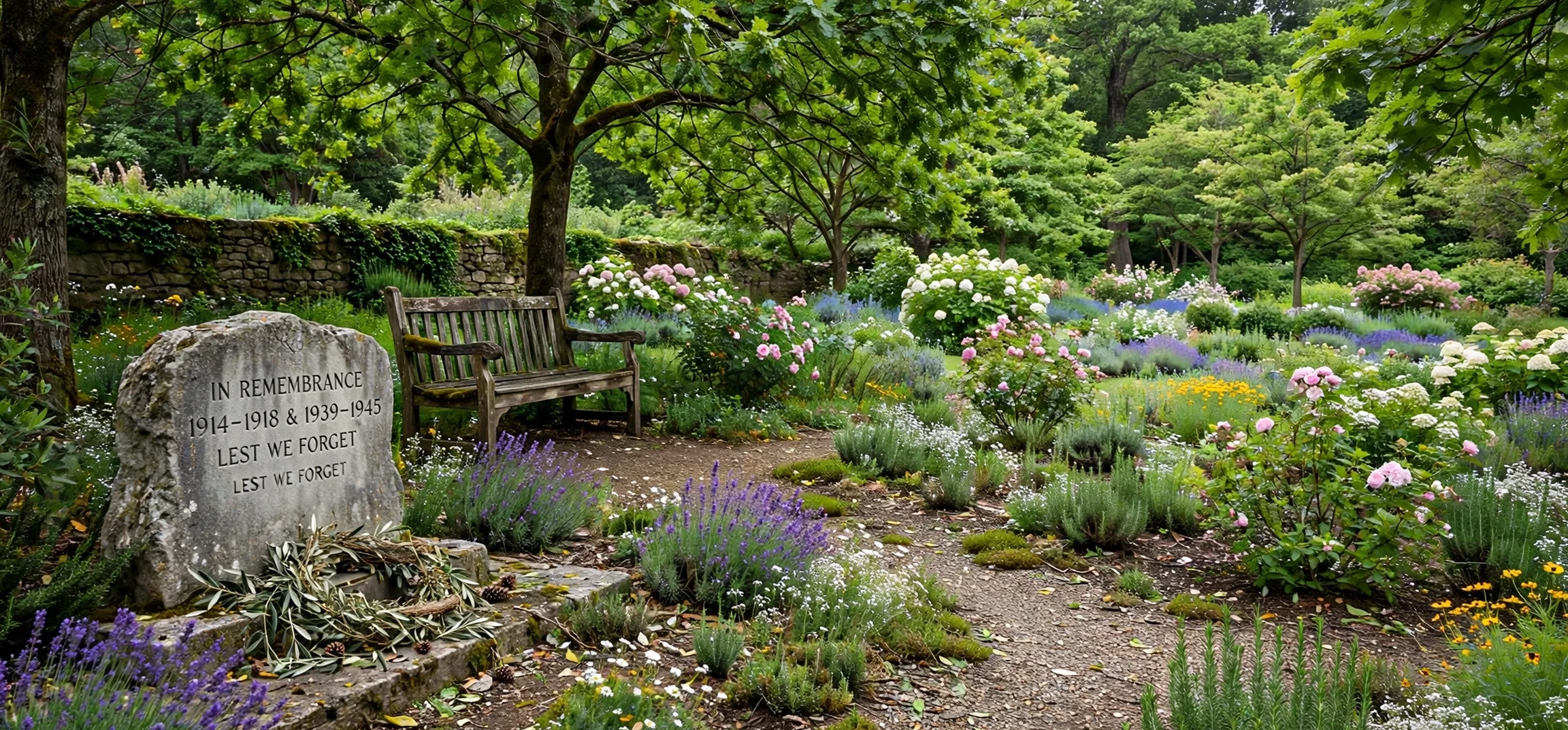
Today, Hiroshima and Nagasaki are peaceful, modern cities that have made remembrance and peace advocacy central to their identities. The Hiroshima Peace Memorial Park, built on the site near the explosion, includes the Atomic Bomb Dome, the skeletal remains of a building that survived the blast and is now a UNESCO World Heritage site. The Nagasaki Peace Park and its museums tell the story of the second bombing with equal care. Annual ceremonies on 6 and 9 August draw visitors from around the world, including leaders, survivors’ families, and school groups.
Survivors, the hibakusha, have played a crucial role in keeping the memory alive, sharing testimonies, campaigning for nuclear disarmament, and supporting fellow survivors. Their numbers are now dwindling with age, which makes recorded testimonies and museum archives increasingly important. Organisations in both cities work to preserve these accounts for future generations, ensuring that the human cost of nuclear weapons is not reduced to statistics.
The bombings also feature prominently in debates about nuclear weapons policy today. Advocates of disarmament cite Hiroshima and Nagasaki as proof of what nuclear weapons do to cities, while supporters of deterrence argue that the horror of 1945 is precisely why such weapons have not been used since. Whatever one’s view, the history of Little Boy and Fat Man remains essential to any serious discussion of nuclear weapons, war, and peace.
World War 2 Atomic Bomb Names in Education
World War 2 atomic bomb names appear in history curricula around the world, because the bombings raise questions that go beyond dates and facts. Students are asked to consider the ethics of weapons of mass destruction, the responsibilities of leaders in wartime, the experience of civilians, and the long-term consequences of scientific discovery. Those discussions are often among the most memorable in a history course, because they have no easy answers and they connect directly to present-day debates about nuclear weapons.
Teaching approaches vary by country. In Japan, the emphasis is on the human experience of the bombings and on peace education, with school visits to Hiroshima and Nagasaki and testimony from survivors. In the United States, the emphasis is often on the strategic context and the decision-making process, with debate about whether the bombings were necessary. In other countries, the bombings are taught as part of the broader story of the war’s end and the start of the Cold War. Those differences themselves are instructive, showing how national memory shapes history.
Museums, memorials, and archives support this education with artefacts, photographs, and survivor testimonies that bring the statistics to life. A single object, such as a stopped clock, a child’s lunchbox, or a shadow etched onto stone, can convey the human cost more powerfully than any number. That is why remembrance sites remain essential, even as the generation that witnessed the bombings passes away.
World War 2 Atomic Bomb Names FAQs
What were the names of the two atomic bombs dropped on Japan?
The bomb dropped on Hiroshima was code-named “Little Boy” and the bomb dropped on Nagasaki was code-named “Fat Man”.
When were the bombs dropped?
Little Boy was dropped on Hiroshima on 6 August 1945 and Fat Man was dropped on Nagasaki on 9 August 1945.
Why are Hiroshima and Nagasaki remembered today?
Both cities rebuilt after the war and became symbols of peace advocacy, with memorials and museums commemorating the victims and campaigning against nuclear weapons.
Conclusion
World War 2 atomic bomb names, Little Boy and Fat Man, are attached to two of the most consequential days of the twentieth century. The facts of August 1945, the dates, the cities, and the human cost, remain essential knowledge for understanding the war’s end and the nuclear age that followed. For more history explainers, see our guides to the Gettysburg Address, the presidents on Mount Rushmore, and the 13th Amendment text.



