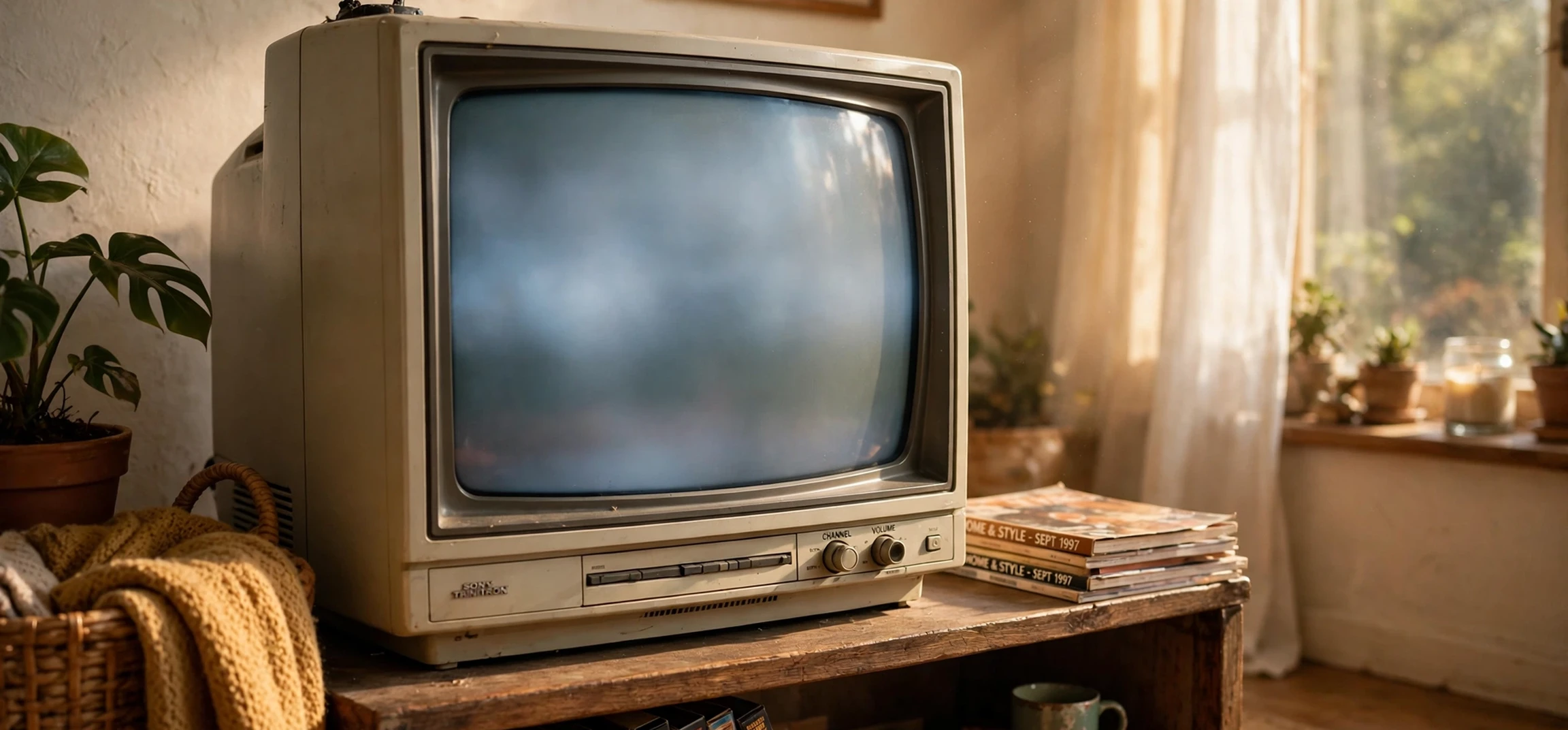
For many viewers who grew up in the 1990s, nickelodeon shows 1990 bring back Saturday mornings, after-school viewing, and a channel identity built on slime, orange logos, and playful irreverence. Nickelodeon in that decade was not a single style. It was a mix of bold animation, live-action comedy, game shows, adventure series, and sketch comedy, all aimed at young viewers but often enjoyed by older siblings and parents too. This nostalgia guide revisits the decade show by show, explains why those programmes mattered, and helps you remember the era clearly, without presenting old broadcast schedules as current facts or pointing to unofficial copies.
The decade began with Nickelodeon already established as a children’s channel, but the early 1990s marked a turning point. The launch of original animated series under the Nicktoons banner gave the channel a distinctive visual voice, while live-action hits proved it could do comedy, adventure, and variety with equal confidence. By the middle of the decade, the channel had a recognisable house style: bright, energetic, slightly mischievous, and willing to treat young viewers as smart rather than passive. That combination is why so many titles from the period still inspire conversation, merchandise, reunions, and revisits decades later.
The best nickelodeon shows 1990 fans still remember
When fans list their favourites, a core group appears again and again. Rugrats followed a group of babies whose everyday world became an adventure through imagination, with humour that worked on two levels: slapstick and curiosity for younger viewers, and gentle adult jokes for older ones. Doug told quieter, more reflective stories about a young boy navigating school, friendship, and first crushes, with daydreams that visualised his inner life. Hey Arnold! centred on a neighbourhood full of distinct characters, blending comedy with surprisingly thoughtful stories about family, community, and growing up in a city.
On the wilder side, Rocko’s Modern Life offered surreal, fast-paced comedy about an Australian wallaby navigating adult life, with visual gags and satire that rewarded repeat viewing. Aaahh!!! Real Monsters imagined young monsters training to scare humans, turning fear into comedy and friendship. The Ren and Stimpy Show pushed animation into stranger, more experimental territory, with exaggerated expressions and unpredictable humour that divided viewers but left a lasting mark on animation style. Later in the decade, CatDog explored life as a conjoined cat and dog, while The Wild Thornberrys followed a family travelling the world to film wildlife, with a daughter who could talk to animals. Together, these animated titles show how varied 1990s Nickelodeon animation could be, from gentle realism to outright surrealism.
Nicktoons and the animation style of the decade
The Nicktoons launch mattered because it gave creators room to develop original worlds rather than adapting existing properties. Each early Nicktoon had a distinct look: Rugrats used soft, rounded character designs and domestic settings; Doug used muted colours and journal-like narration; Ren and Stimpy used bold, rubbery animation and extreme close-ups. That variety taught young viewers to recognise style, not just characters. A child could tell a show by its colour palette, its music, or its pacing, which is a sophisticated form of visual literacy, even if viewers did not use that term at the time.
Animation in the decade also reflected a broader shift in children’s television. Writers began to trust young audiences with longer stories, recurring characters, and emotional arcs. Episodes could be funny and still deal with moving house, losing a pet, disappointing a friend, or feeling left out. Music and sound design became part of the identity too, from catchy theme songs to distinctive voice performances that fans can still quote. For many viewers, hearing a theme tune is enough to recall an entire era of childhood, which explains why nostalgia for these shows remains so strong.
| Show | Type | What fans remember most |
|---|---|---|
| Rugrats | Animated | Babies turning everyday life into adventure |
| Doug | Animated | Journal narration, daydreams, and school life |
| Hey Arnold! | Animated | Neighbourhood stories with warmth and humour |
| Rocko’s Modern Life | Animated | Surreal comedy about adult life |
| Aaahh!!! Real Monsters | Animated | Monster school and scare training |
| CatDog | Animated | Life as a conjoined cat and dog |
| The Wild Thornberrys | Animated | Wildlife travel and talking to animals |
| Clarissa Explains It All | Live-action comedy | Direct-to-camera humour and teenage life |
| The Adventures of Pete and Pete | Live-action comedy | Surreal small-town stories and music |
| All That | Sketch comedy | Ensemble sketches and recurring characters |
Live-action favourites beyond animation
Animation was only half the story. Clarissa Explains It All gave viewers a teenage heroine who spoke directly to the camera, explained her problems with humour, and treated adolescence as funny, frustrating, and manageable. The Adventures of Pete and Pete offered a stranger, dreamier take on suburban childhood, with eccentric neighbours, memorable music, and stories that felt like short films. Salute Your Shorts, an earlier camp comedy, remained a fond memory for many 1990s viewers, while later hits such as Kenan and Kel built a double act around slapstick, catchphrases, and everyday chaos.
Sketch comedy also flourished. All That became a launchpad for young performers, with recurring characters, musical guests, and a fast, variety-show energy that felt different from sitcoms. Legends of the Hidden Temple combined adventure, trivia, and physical challenges in a temple-themed game format, while GUTS tested young contestants in athletic events with a distinctive, energetic presentation. Double Dare, which began earlier, continued to define messy, physical game show fun for many viewers in the early part of the decade. Together, these live-action and game formats gave Nickelodeon a full schedule identity, not just a cartoon block.
How to revisit nickelodeon shows 1990 without relying on memory alone
Memory is a wonderful starting point, but it can blur titles, characters, and decades. If you want to revisit the era accurately, start with episode guides, cast lists, and production histories from reputable reference sources, and check original run years rather than assuming every remembered show belongs to the same decade. Some beloved titles began in the late 1980s and continued into the 1990s, while others began in the late 1990s and are often misremembered as mid-decade shows. A quick reference check helps you place each favourite correctly and avoids mixing eras in a nostalgia list.
For watching, use licensed sources and physical editions where available, and remember that catalogues change over time. A title available in one region or one year may not be available elsewhere later, so treat any availability note as time-sensitive rather than permanent. Libraries, licensed streaming services, and official DVD or Blu-ray collections are legitimate routes, and they usually offer better picture, sound, and episode order than unofficial copies. Avoid unofficial download or streaming sites, which often carry incomplete episodes, poor quality, and security risks. The goal of revisiting is to enjoy the shows as they were made, not to chase a low-quality copy.
Revisiting with others can deepen the experience. Watching a classic episode with friends who grew up in the same era often sparks shared memories about school, family viewing, and playground games inspired by the shows. If you introduce the shows to younger viewers, talk about what was different in 1990s television: fewer channels, scheduled viewing, and no pausing or searching on demand in the modern sense. That context helps younger viewers understand why a theme tune, a catchphrase, or a Saturday morning ritual felt so important at the time.
Why the decade endures in popular memory
The 1990s Nickelodeon era endures because it respected its audience. Writers did not talk down to young viewers. They gave characters flaws, friendships, and problems that felt real, even inside animated or surreal worlds. They also gave the channel a strong visual and musical identity, so viewers felt part of a club. That sense of belonging, reinforced by logos, idents, and recurring presenters, turned casual viewing into a shared culture. Fans still trade quotes, rank episodes, and debate favourite characters, because the shows were designed to be talked about, not just watched once and forgotten.
The era also influenced later children’s television. Its mix of creator-driven animation, live-action comedy, and game formats showed that a children’s channel could be varied, stylish, and commercially successful without relying on a single formula. Later creators grew up watching these shows, and their influence appears in pacing, humour, and character writing across modern animation and family comedy. Understanding the 1990s lineup therefore helps viewers understand not only their own childhood, but also the roots of much later children’s programming.
For broader context on animated television and nostalgia viewing, you may enjoy related guides such as this guide to forgotten cartoons from an earlier decade, this overview of cartoon network programming, and this look at cartoon dog characters. Those guides place 1990s Nickelodeon within a wider history of animated television, without confusing one channel’s era with another’s.
Frequently asked questions about 1990s Nickelodeon
What were the first Nicktoons?
The original Nicktoons launch included Rugrats, Doug, and The Ren and Stimpy Show, which together established the channel’s original animation identity in the early 1990s. Each had a distinct visual style and tone, setting the pattern for later animated titles.
Was Nickelodeon only cartoons in the 1990s?
No. Alongside animation, the channel offered live-action comedy, sketch shows, game shows, and adventure series, including Clarissa Explains It All, The Adventures of Pete and Pete, All That, Legends of the Hidden Temple, and Kenan and Kel.
Why do people remember the theme songs so well?
Theme songs were short, distinctive, and repeated with every episode, so they became memory anchors for the whole viewing experience. Hearing a theme can recall characters, storylines, and even the time of day when a show was usually watched.
Can I still watch these shows legally?
Many titles remain available through licensed services, libraries, and physical editions, but availability varies by region and changes over time. Check a licensed source in your region for current availability rather than relying on older listings.
Which show should a newcomer start with?
Start with a title that matches your taste: Rugrats or Hey Arnold! for warm, character-led stories, Rocko’s Modern Life for surreal comedy, Clarissa Explains It All for live-action humour, or All That for fast sketch comedy. Each offers a different entry point into the decade.
Conclusion
Nickelodeon in the 1990s was a decade of variety, confidence, and shared culture. From the first Nicktoons to live-action comedy, sketch shows, and adventure games, the channel gave young viewers stories that were funny, thoughtful, and visually distinctive. Revisiting those shows today is not only about nostalgia. It is about recognising how a channel learned to trust its audience, how creators developed original worlds, and how a generation of viewers learned to love television as a shared experience. Whether your favourite was a baby-led adventure, a neighbourhood drama, or a messy game show, the 1990s lineup earned its place in memory, and it continues to reward a careful, licensed revisit.