Planning a visit to a historic house museum raises practical questions before you set out: where exactly is it, how do you get in touch, when is it open, and what is happening there? If you are searching for onderdonk house queens address contact hours events, this guide explains how to find reliable answers without relying on outdated listings. The Onderdonk House is a historic house museum in the Ridgewood neighbourhood of Queens, New York, and like many small museums run with community support, its opening times and programme can vary by season and by event. That is why the safest approach is to confirm the current details through the museum’s own official channels shortly before your visit, rather than trusting a single web page that may be months out of date.
This article is a planning guide, not an official directory entry. It will not invent an opening schedule, a ticket price, or a street address, because those details change and an invented figure would mislead visitors. Instead, it explains what the Onderdonk House is, why it matters to Queens history, how to find its official information, what kinds of events small historic houses typically offer, and how to plan a visit that fits around the confirmed schedule. Used this way, the guide helps you arrive prepared and avoids a wasted journey.
What Is the Onderdonk House?
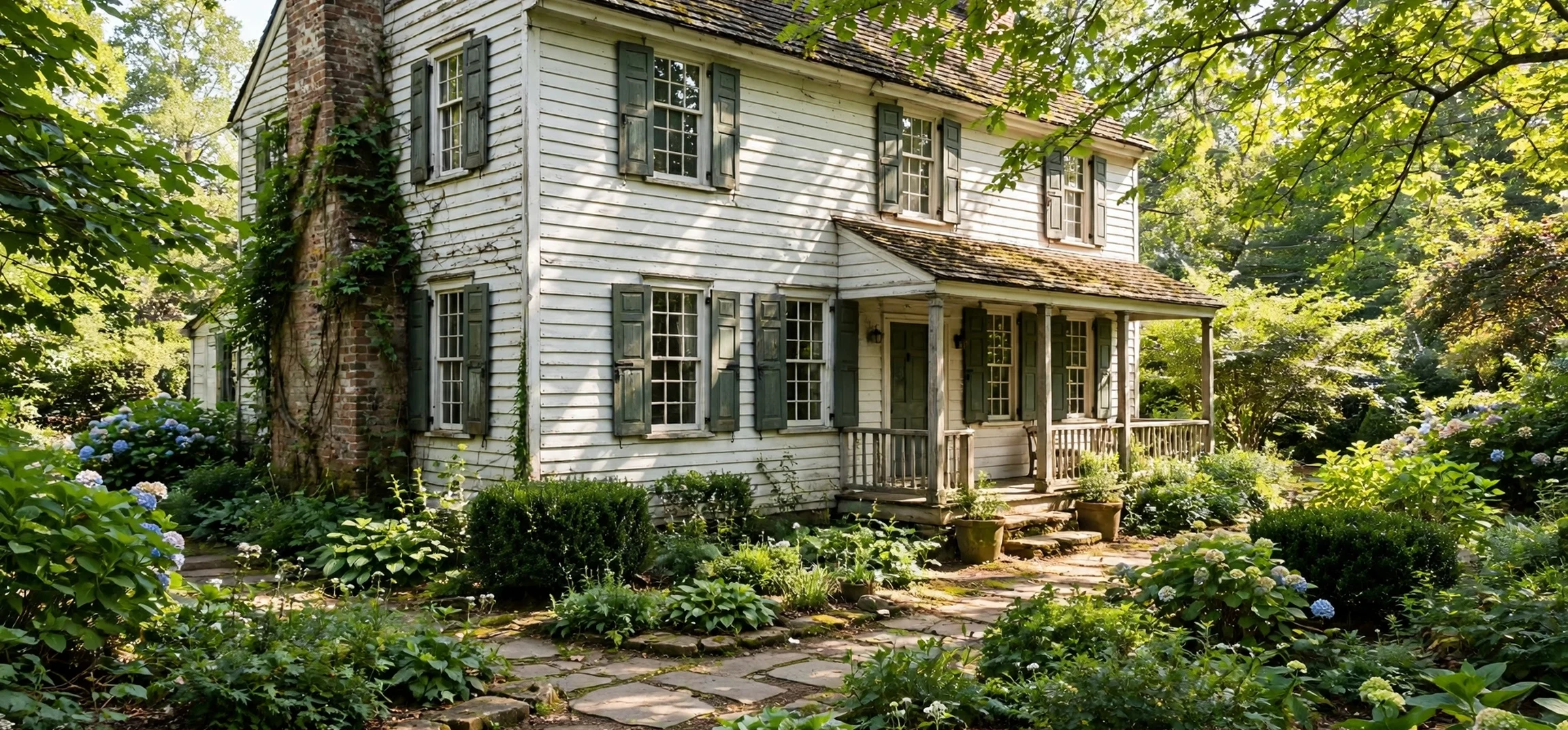
The Onderdonk House is one of the oldest surviving farmhouses in the Ridgewood area of Queens, with roots in the colonial farming landscape that once covered much of what is now New York City. In the eighteenth century, this part of Queens was farmland, worked by families whose houses, barns, and fields shaped daily life. Very few of those farm buildings survive today, which is why a house museum of this kind is valuable: it preserves not only a building but also a sense of how a farming community lived, worked, and changed as the city grew around it.
Historic house museums differ from large museums in an important way. A large museum displays objects in galleries, while a historic house is itself the exhibit. The rooms, the layout, the building materials, and the surrounding grounds all tell part of the story. Visitors walk through spaces that were once kitchens, bedrooms, and workrooms, and guides explain how each space was used. That immersive quality makes small house museums especially rewarding for families, local history enthusiasts, and anyone curious about how ordinary life looked in an earlier century.
Why it matters to Queens history
Queens is often described through its diversity and its neighbourhoods, but its history also includes centuries of farming, trade, and gradual urbanisation. The Onderdonk House connects those layers. It recalls a time when Ridgewood and its surroundings were rural, and it shows how a farming family adapted as roads, railways, and housing transformed the landscape. For residents, it is a local landmark that anchors neighbourhood identity. For visitors, it offers a quieter, more personal encounter with New York history than the city’s larger institutions, and it rewards unhurried attention.
Finding onderdonk house queens address contact hours events information
The most reliable way to find current visitor information is to go directly to the museum’s own official presence. Small museums usually publish their location, contact details, opening times, and event calendar on an official website or an official social media page, and they update those channels when the schedule changes. A general web search may return older pages, third-party listings, or aggregator sites that copied details long ago and never updated them. When sources disagree, the museum’s own channel should win.
A practical method is to search for the museum by its full name together with Queens, then look for results that clearly belong to the museum itself rather than to a review site or a travel aggregator. Check the date of any page you rely on, and prefer pages that mention the current season or the current year. If you plan to travel a long way, or if you are visiting with a group, contacting the museum in advance through its official contact route is wise. Staff or volunteers can confirm whether the house will be open on your chosen day, whether a guided tour is available, and whether any event affects normal visiting.
onderdonk house queens address contact hours events: planning your visit
Because opening times at small historic houses can be limited, often to certain days of the week or to seasonal schedules, planning around the confirmed timetable matters more than it does for a large museum. Start by confirming the open days for the week of your visit, then build the rest of your day around that window. Ridgewood is a residential neighbourhood with local shops and places to eat, so a visit pairs well with a walk around the area, but the house itself should be the fixed point in your plan, not an afterthought squeezed between other stops.
Transport planning deserves the same care. Queens is served by subway and bus routes, and many visitors reach Ridgewood by public transport. Check the current transit information for the day of your visit, since weekend works and service changes can affect routes. If you are driving, check the museum’s official guidance on parking in advance, since street parking in a residential neighbourhood can be limited. Arriving a little early gives you time to find the entrance, settle in, and join a tour without rushing.
Accessibility, groups, and school visits
Historic houses present particular accessibility questions, because old buildings were not designed to modern standards. Steps, narrow doorways, and uneven ground may affect some visitors. If accessibility matters for your party, ask the museum directly about step-free access, seating, and any parts of the visit that involve stairs or outdoor ground. The same advice applies to group and school visits: many small museums welcome groups but ask them to book ahead so that guides and space can be arranged. A short message through the official contact route, well in advance, usually resolves these questions quickly.
What to Expect on a Visit
A visit to a historic house museum is usually guided or partly guided, and the experience rewards curiosity. Guides explain the history of the house and its residents, point out architectural details that a casual glance might miss, and answer questions about daily life in the period the house represents. Exhibits may include period furniture, household objects, photographs, and documents that show how the house and the neighbourhood changed over time. The grounds, where accessible, add another layer, showing how outdoor space was used for farming, gardening, or gathering.
Photography rules vary, so ask on arrival rather than assuming. Some rooms may allow photography without flash, while others may restrict it to protect fragile objects. Children are usually welcome, and many house museums design family activities around hands-on learning, such as trying a traditional craft or exploring a period kitchen. The pace is generally slower than at a large museum, which suits visitors who enjoy conversation and detail. Allow enough time to linger, ask questions, and enjoy the setting rather than rushing through.
Events and Programmes
Small historic houses often run a lively programme of events alongside regular visiting, and these events are a good reason to check the calendar before you go. Typical offerings at houses of this kind include seasonal celebrations, heritage days, craft demonstrations, talks on local history, family activity days, and community gatherings. Some events are free, others may ask for a contribution or advance booking, and popular events can fill up. The museum’s official calendar is the authoritative source for dates, booking requirements, and any changes.
Events also affect normal visiting, which is another reason to check ahead. A special event may mean the house opens at different times, certain rooms are used differently, or a guided tour follows a special theme. None of this is a problem if you know in advance; it can even enrich the visit. A seasonal event, for instance, may show the house decorated or used as it would have been at a particular time of year, giving a vivid sense of the past. If you prefer a quiet visit, choosing a regular open day rather than an event day may suit you better.
| Planning question | Where to confirm it | Why it matters |
|---|---|---|
| Is the house open on my chosen day? | Museum official website or social channels | Small museums may have limited or seasonal days |
| How do I contact the museum? | Official contact route published by the museum | Direct contact resolves group, access, and tour questions |
| What events are coming up? | Official events calendar | Events may change hours or require booking |
| How do I get there? | Official directions plus current transit information | Weekend service changes can affect routes |
| Is the visit suitable for my group? | Ask the museum directly before travelling | Access and group needs vary in historic buildings |
Exploring Ridgewood Around Your Visit
Ridgewood itself rewards exploration. The neighbourhood is known for its early twentieth-century housing, its tree-lined streets, and its mix of long-standing local businesses and newer shops and eateries. A visit to the Onderdonk House can anchor a wider day out: start with the house, then walk the surrounding streets, stop for food, and notice the architectural details that make the area distinctive. Local history walks and neighbourhood guides, where available, can add context, showing how the farming landscape gave way to the residential streets of today.
If you are interested in other historic sites in Queens, planning a sequence of visits across different days works better than trying to fit several museums into one afternoon. Each house museum deserves unhurried time, and travel between sites takes longer than expected. For background on how historic places are presented to visitors, see our piece on night at the museum and the related guide to museum visitor information, which illustrate how different museums organise their public information.
Frequently Asked Questions
Is the Onderdonk House open every day?
Not necessarily. Small historic house museums often open on limited days or on a seasonal schedule, and hours can change for events or maintenance. Always confirm the current schedule through the museum’s official channels before travelling.
Where can I find the official address and contact details?
Use the museum’s own official website or official social media pages, which are the authoritative sources for location and contact information. Third-party listings may be outdated, so treat them as a starting point only and verify against the official source.
Do I need to book for events?
It depends on the event. Some events welcome walk-in visitors, while others require advance booking because space is limited. The official events calendar will state the booking requirement for each event, and contacting the museum in advance removes any doubt.
Is it suitable for children?
Historic house museums are generally family-friendly, and many offer activities designed for younger visitors. If you are visiting with children, check whether a family activity or guided tour is running on your chosen day, since these can make the visit more engaging for them.
Conclusion
The Onderdonk House is a rare surviving link to the farming past of Queens, and it deserves a visit planned with care. The practical details that matter most, namely the current address information, contact route, opening hours, and event calendar, are best confirmed through the museum’s own official channels shortly before you go, because small museums update their schedules more often than third-party listings do. With that confirmation in hand, you can enjoy the house itself, the stories its guides tell, and the surrounding Ridgewood neighbourhood at a relaxed pace. A little advance checking turns a potentially frustrating trip into a rewarding encounter with New York history.