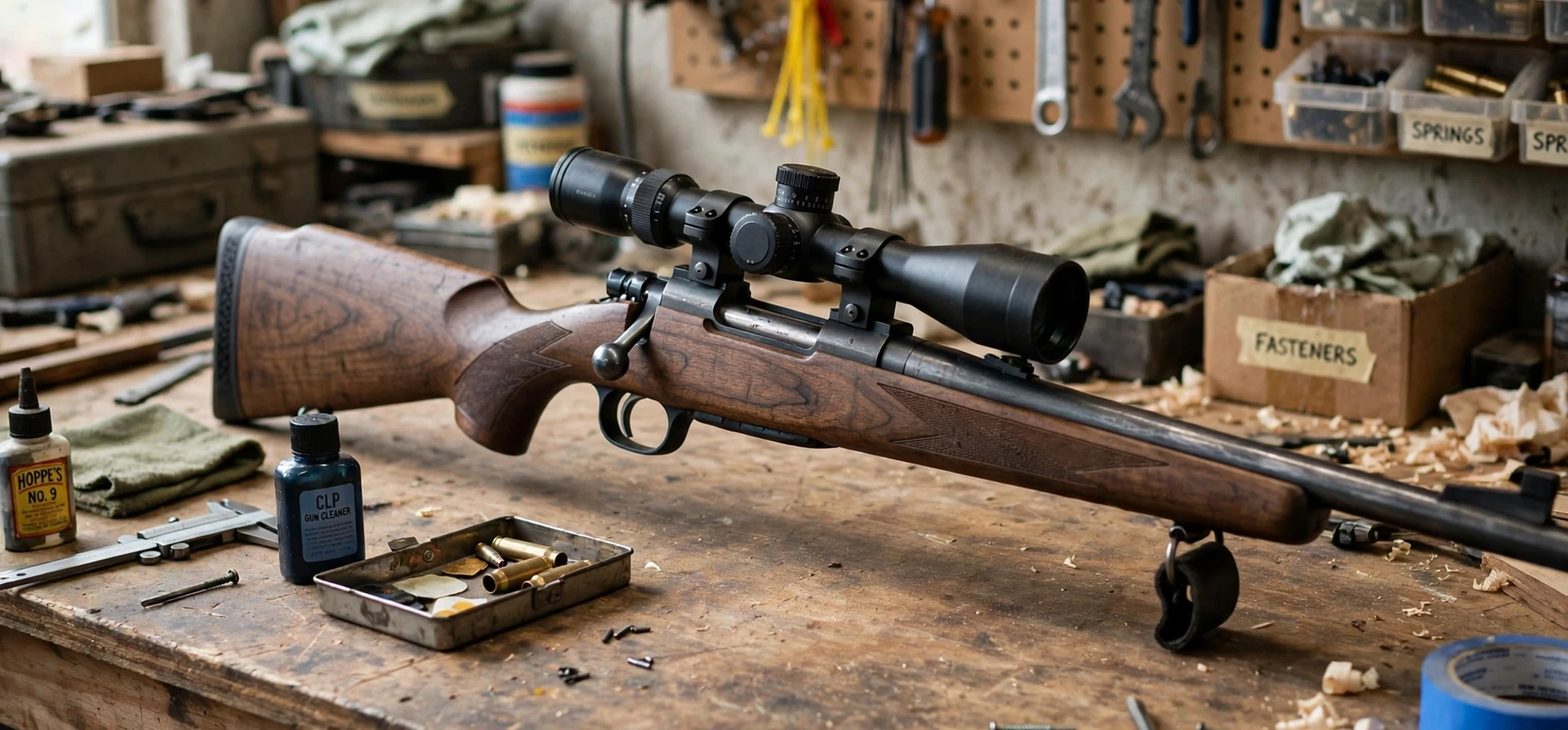
A ruger american aftermarket stock is a replacement stock made by a company other than the original rifle manufacturer, designed to fit the Ruger American rifle platform. Shooters consider this kind of upgrade when they want a different feel, a better fit, improved stability, or a more durable material than the factory stock provides. This guide explains what a ruger american aftermarket stock is, how the main stock styles differ, which features matter most, and how to choose one sensibly without overstating what an accessory can do. It is a neutral product explainer only. It contains no purchase links, no retailer recommendations, and no instructions that facilitate wrongdoing. Always follow local laws, manufacturer guidance, and safe handling practices, and have fitting work checked by a qualified gunsmith when you are unsure.
What Is a Ruger American Aftermarket Stock?
The stock is the part of a rifle that the shooter holds, shoulders, and rests against the cheek. It connects the action and barrel assembly to the shooter, and its shape and material influence comfort, balance, and consistency. A factory stock is designed to suit a wide range of users at a competitive price. A ruger american aftermarket stock, by contrast, is produced by an independent maker for owners who want a specific change. That change might be a different length of pull, a higher cheek rest, a stiffer forend, a lighter or heavier overall weight, or a material that resists weather better. Some aftermarket stocks are simple drop-in replacements, meaning they are shaped to accept the existing action with minimal modification. Others are chassis systems built around a metal frame, with adjustable components and attachment points for accessories. Understanding that range is important, because the term aftermarket covers everything from a modest synthetic replacement to a highly adjustable precision platform.
It is also important to understand what a stock cannot do. A stock does not change the calibre of a rifle, does not increase its mechanical accuracy beyond what the barrel and action allow, and does not replace good technique. A well-fitted stock can help a shooter hold the rifle more consistently, which in turn can support better results, but it is not a shortcut to skill. Owners should therefore treat a ruger american aftermarket stock as an ergonomic and stability upgrade, not as a guaranteed performance transformation. Reading manufacturer specifications, checking compatibility with the exact Ruger American model and action length, and confirming inlet dimensions are far more useful than relying on marketing claims alone. Small differences between short-action and long-action models, or between standard and magnum variants, can affect fit, so model-specific compatibility is the first detail to verify.
Ruger American Aftermarket Stock Materials Explained
Material choice is one of the biggest decisions when selecting a ruger american aftermarket stock. Synthetic stocks, often made from reinforced polymer, are popular because they are light, weather resistant, and relatively low maintenance. They handle rain, humidity, and temperature changes well, and they are less likely to swell, warp, or require refinishing than natural materials. Laminated wood stocks combine layers of wood bonded together for strength and stability, offering a traditional appearance with better resistance to warping than a single piece of wood. Solid hardwood stocks remain prized for appearance and feel, but they usually need more care and can be heavier. Chassis systems typically use aluminium or a metal and polymer combination, prioritising rigidity and adjustability. Each material involves trade-offs between weight, durability, appearance, cost, and maintenance, and there is no single best choice for every shooter.
Weight deserves particular attention. A heavier stock can help absorb recoil and steady the rifle, which some shooters prefer for bench or prone shooting. A lighter stock is easier to carry over long distances and quicker to handle in the field. Neither is universally better. Consider how and where you shoot most often. A hunter who walks for hours will value lightness differently from a target shooter who fires from a fixed position. Similarly, stiffness matters. A forend that flexes under pressure can affect how the barrel behaves when resting on a support, while a rigid forend provides a more consistent platform. Many aftermarket designs address this with reinforced structures, bedding blocks, or aluminium pillars. Pillars and bedding are methods of supporting the action evenly within the stock, and they are frequently mentioned in product descriptions because consistent action seating can contribute to repeatable results.
Ruger American Aftermarket Stock Fit and Adjustability
Fit is where a ruger american aftermarket stock often makes the most noticeable difference. Length of pull is the distance from the trigger to the end of the butt pad, and it determines whether the rifle shoulders naturally or feels stretched or cramped. Cheek height determines whether your eye lines up comfortably with the sights or scope without straining your neck. Grip angle and shape affect how naturally your hand wraps around the stock, while the butt pad influences comfort during recoil. Adjustable stocks allow some of these dimensions to be changed with spacers, adjustable cheek risers, or movable butt pads. Fixed stocks, by contrast, offer one set of dimensions and rely on the buyer choosing the correct size in advance. Adjustability is helpful when several people share a rifle, when shooting positions vary, or when a shooter is still learning which dimensions suit them best. It can, however, add weight, complexity, and cost.
Before choosing, it helps to measure your current setup and note what feels wrong. Does the scope sit too high or too low for a comfortable cheek weld? Does the rifle feel too long when wearing thick clothing, or too short in a light jacket? Do you shoot mainly prone, seated, or standing? Answers to these questions narrow the field quickly. A stock designed for prone precision shooting will look and feel very different from a lightweight field stock. Some designs include attachment points for slings, bipods, or other accessories, while others keep a clean, simple profile. Think about which features you will actually use. Unused attachment points add weight and bulk without benefit, while a missing sling stud can be frustrating if you regularly carry the rifle in the field. Prioritising real use over imagined use keeps the choice practical.
Choosing the Right Ruger American Aftermarket Stock
Choosing a ruger american aftermarket stock works best as a step-by-step process. First, confirm the exact model, action length, and barrel profile of your rifle, and check that any stock you consider lists that model as compatible. Second, decide your primary use: field carry, general range shooting, or precision work from a rest. Third, set a realistic budget that includes any fitting, bedding, or gunsmith time that might be needed. Fourth, compare weight, length of pull range, cheek adjustment, material, and warranty. Fifth, read the manufacturer’s installation instructions before ordering, so you understand whether the stock is a straightforward swap or requires additional work. This methodical approach reduces the risk of ordering a stock that looks appealing but fits poorly or suits a different style of shooting.
Installation is another factor to weigh honestly. Some stocks are designed for owners to fit at home with basic tools, following the manufacturer’s instructions and torque specifications. Others benefit from professional fitting, especially when bedding, inletting adjustments, or action screw torque are involved. If instructions mention specialised tools, permanent modification, or bedding compounds, and you are not experienced with that work, professional help is the safer route. After fitting, check that the action sits evenly, the barrel is free where the design intends it to be free, the magazine functions correctly, and all screws are torqued to the manufacturer’s figures. Test function carefully in a safe setting, and recheck screws after initial use, as components can settle. Never force a stock onto an action that does not fit, and never modify safety-critical parts without qualified guidance.
Maintenance and Legal Considerations
Maintenance for a ruger american aftermarket stock depends on its material. Synthetic and chassis stocks generally need only occasional cleaning with a soft cloth and mild cleaning products recommended by the manufacturer. Avoid harsh solvents that could damage finishes or polymers. Wood and laminated stocks benefit from periodic inspection for dents, cracks, or finish wear, and from following the maker’s guidance on oils or sealants. In all cases, inspect the stock regularly for loose screws, cracks, or damage, especially after drops or heavy use. A damaged stock should be assessed before further use, because cracks or loose fittings can affect safety and consistency. Store the rifle in a dry place, follow safe storage practices, and keep the rifle unloaded when not in use.
Legal and safety considerations are equally important. Laws governing rifle accessories vary by jurisdiction, and owners are responsible for knowing the rules that apply where they live and where they shoot. This guide does not provide legal advice and does not encourage any modification that would conflict with local law. Always verify that any accessory is lawful for your rifle and intended use, and consult official sources or a qualified professional if you are unsure. Safe handling remains essential regardless of stock choice: treat every rifle as loaded, keep the muzzle pointed in a safe direction, keep your finger off the trigger until ready to shoot, and be certain of your target and what lies beyond it. An aftermarket stock is an accessory, not a substitute for training, supervision, or responsible ownership.
| Stock Type | Main Strength | Main Trade-off |
|---|---|---|
| Synthetic polymer | Light and weather resistant | Less traditional appearance |
| Laminated wood | Stable with classic looks | Heavier than polymer options |
| Solid hardwood | Attractive feel and finish | Needs more care and maintenance |
| Metal chassis | Rigid and highly adjustable | Often heavier and more costly |
Frequently Asked Questions
Will an aftermarket stock fit every Ruger American model?
No. Compatibility depends on action length, model variant, and barrel profile. Always confirm the exact model listing before ordering, and check inlet dimensions with the manufacturer.
Does a new stock automatically improve accuracy?
Not automatically. A better-fitting, stiffer stock can support more consistent shooting, but barrel quality, ammunition, optics, and shooter technique remain major factors.
Can I fit an aftermarket stock myself?
Some designs are made for owner fitting with basic tools and manufacturer instructions. Others need professional fitting, especially when bedding or inletting work is involved. If in doubt, consult a qualified gunsmith.
How do I maintain an aftermarket stock?
Clean it as the manufacturer recommends, inspect it regularly for cracks or loose screws, and store the rifle safely in a dry place. Wood stocks may need additional finish care compared with synthetic options.
Ruger American Aftermarket Stock Buying Checklist
Before ordering any ruger american aftermarket stock, run through a short checklist. Confirm that the ruger american aftermarket stock lists your exact model, because a ruger american aftermarket stock made for a different action length will not fit correctly. Check the weight of the ruger american aftermarket stock against your current setup, since a ruger american aftermarket stock that is much heavier or lighter will change balance noticeably. Compare the length of pull offered by the ruger american aftermarket stock with your measured length, because a ruger american aftermarket stock with the wrong length will feel awkward even if its material is excellent. Review the cheek height of the ruger american aftermarket stock, especially if you use a scope, since a ruger american aftermarket stock that sits too low will force an uncomfortable head position. Read the installation notes for the ruger american aftermarket stock, and decide honestly whether fitting the ruger american aftermarket stock yourself is realistic or whether professional help is wiser. Finally, check the warranty and return terms for the ruger american aftermarket stock before ordering, so a compatibility problem does not become a costly mistake.
Conclusion
A ruger american aftermarket stock can be a worthwhile upgrade when it solves a specific problem: a poor fit, an unstable forend, excess weight, or a material that does not suit your conditions. The best choice starts with compatibility, continues with honest assessment of how you shoot, and ends with careful fitting and regular inspection. Avoid choosing on appearance alone, and avoid expecting an accessory to replace practice or safe handling. For related reading, see our guide to stock checkering tools, our overview of an alternative rifle stock kit, and our general guide to everyday how-to topics. Chosen carefully and fitted correctly, an aftermarket stock should feel like a natural extension of the rifle, comfortable, stable, and suited to the shooting you actually do.



