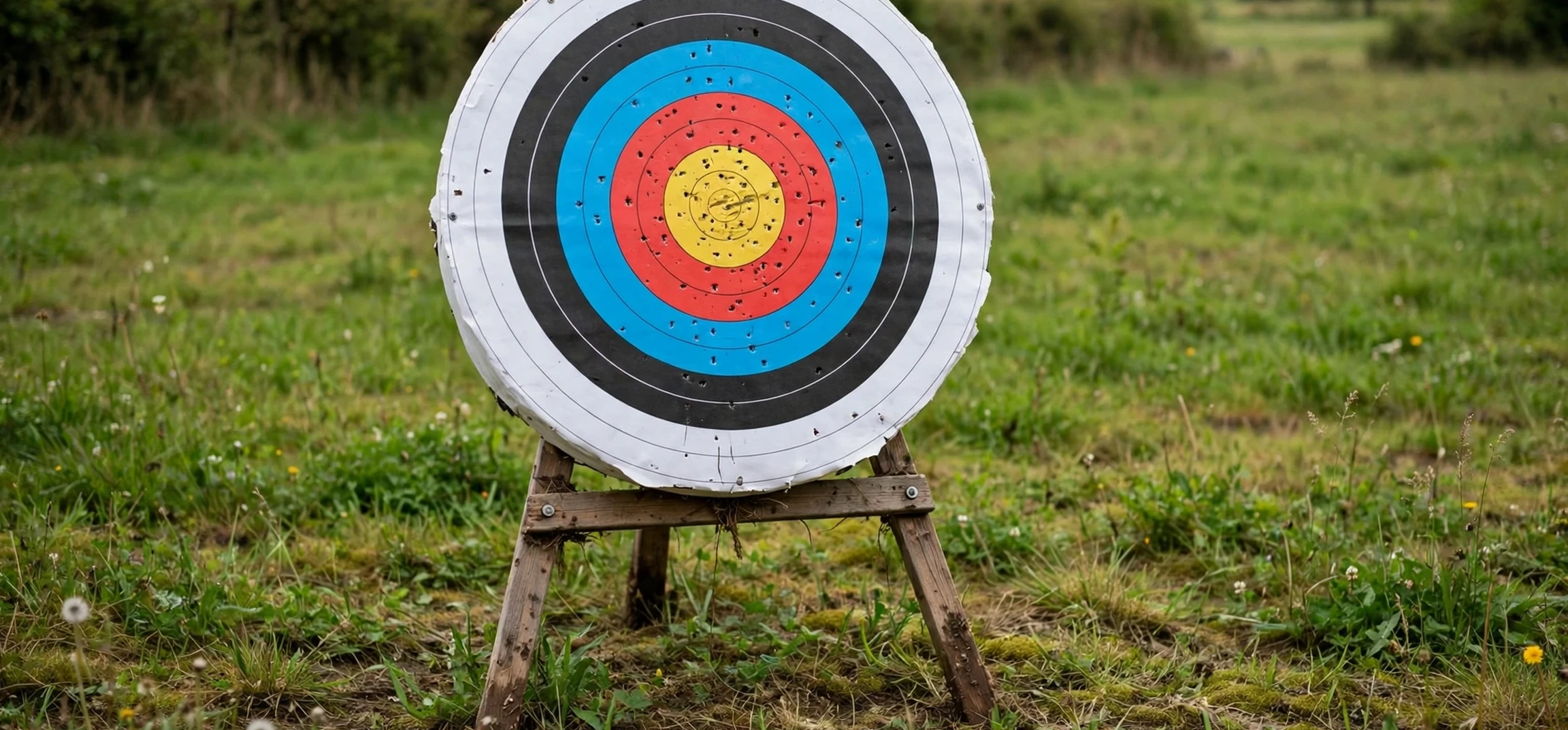
If you have ever heard a shooting instructor say “focus on the front sight” and wondered what they meant, the answer lies in one simple idea: what is a sight picture? In shooting sports and lawful firearms training, what is a sight picture is the term for the view a shooter sees when the sights of a firearm are correctly aligned with each other and with the intended target. It is not a photograph, and it is not a special setting on a firearm. It is the visual relationship between the rear sight, the front sight, and the target at the moment before a shot is taken. This article explains that relationship in plain, safety-focused terms for lawful sport and training contexts only. It assumes the reader will only handle a firearm where it is lawful to do so, under qualified instruction, and on an approved range or in another lawful setting. Nothing here is a substitute for proper, in-person training.
Safety comes first, before any discussion of alignment. The fundamental safety rules taught in most lawful training programmes are simple and non-negotiable: treat every firearm as if it were loaded, never point a firearm at anything you do not intend to shoot, keep your finger off the trigger until you are ready to shoot, and be certain of your target and what lies beyond it. A good sight picture is meaningless without those habits, and no discussion of accuracy should ever come before them. If you are new to shooting, learn these rules from a qualified instructor in person, practise them until they are automatic, and never handle a firearm alone as a beginner without supervision. This article is general education about a concept, not a licence to practise unsupervised and not a replacement for a certified course.
To understand the sight picture, it helps to start with the two main parts of a simple open sight system. The rear sight is the part closest to the shooter’s eye. It often has a notch, a ring, or a pair of dots. The front sight is the part near the muzzle, at the far end of the barrel. It is often a post, a blade, or a dot. When the shooter looks through or over the rear sight, the front sight appears inside the rear sight’s notch or ring. Sight alignment is the term for getting those two sights into the correct relationship with each other. Sight picture is the wider term: it is sight alignment plus the placement of that aligned pair of sights on the target. In short, alignment is about the sights relative to each other, and picture is about the aligned sights relative to the target.
What Is a Sight Picture in Simple Terms?
Imagine holding a ruler at arm’s length and lining it up with a distant object so that the ruler appears to point straight at it. Now imagine a second, smaller marker closer to your eye that must sit in the middle of the first marker. That rough image captures the idea. In a typical open sight system, the correct sight picture shows the front sight centred horizontally in the rear sight notch, with the top of the front sight level with the top of the rear sight. That aligned pair is then placed on the target in a chosen position, such as directly on the centre of the target or just below it, depending on the firearm, the distance, and the training method being taught. The key point is that all three elements, rear sight, front sight, and target, must be considered together, even though the eye cannot focus on all three at the same time.
That last point is one of the most important lessons for beginners, and it surprises many people. The human eye can only focus sharply on one distance at a time. When you look at a nearby object, distant objects blur, and when you look at a distant object, nearby objects blur. In shooting, the standard teaching in most traditional programmes is to focus sharply on the front sight, while the rear sight and the target remain slightly less sharp. This feels unnatural at first, because our instinct is to stare at the target. But the front sight is the element that most directly shows whether the firearm is pointing where you intend, and a sharp front sight makes small errors in alignment much easier to notice. Over time, with practice under instruction, this focus pattern becomes more natural.
Sight Alignment and Sight Picture Together
Think of sight alignment and sight picture as two layers of the same skill. Sight alignment answers the question: are my sights lined up with each other? Sight picture answers the wider question: are my aligned sights placed where I want them on the target? A shooter can have good alignment but a poor picture, for example by aiming the perfectly aligned sights at the wrong part of the target. A shooter can also have a good picture in a loose sense, meaning the sights appear to be on the target, but poor alignment, meaning the front sight is off-centre or tilted within the rear sight. That second error is especially costly, because a small misalignment at the sights becomes a much larger error by the time it reaches a distant target. That is why instructors spend so much time on alignment before they talk about hitting a bullseye.
What Is a Sight Picture With Different Sight Types?
Not all firearms use the same sight system, and the sight picture therefore looks different depending on the equipment. Open sights, also called iron sights, use a rear notch and a front post, as described above. Aperture sights, also called peep sights, use a small ring at the rear through which the shooter looks, with the front sight centred in that ring. The principle remains the same: centre the front sight within the rear sight, keep the tops level where that applies, and place the result on the target. Red dot sights and other optical sights work differently again. With a red dot sight, the shooter looks through a small window and places a glowing dot on the target. There is no front and rear sight to align in the traditional sense, although many red dot systems include backup iron sights for use if the optic fails. Telescopic sights use crosshairs or a reticle instead of open sights, and the sight picture becomes the placement of the reticle on the target. Beginners should learn the system fitted to the firearm they are training with, under instruction, rather than trying to transfer habits from one system to another without guidance.
Another variation is the point of aim. Some training methods teach a centre hold, in which the aligned sights cover the centre of the target. Others teach a six o’clock hold, in which the aligned sights sit just below the centre of the target, so that the target itself remains fully visible above the front sight. Which method is taught depends on the firearm, the target, the distance, and the purpose of the training. Neither method is universally correct, and a beginner should follow the method taught by their instructor for their specific firearm and discipline. What matters most is consistency: using the same sight picture, the same focus, and the same hold from shot to shot, so that results can be compared and errors can be identified.
Common Beginner Errors
Beginners tend to make a small set of predictable errors, and recognising them is part of learning. The first is focusing on the target instead of the front sight, which makes alignment errors hard to see. The second is tilting the firearm slightly, so that the front sight appears level but the whole sight system is canted to one side. The third is rushing the shot, snatching at the trigger as soon as the sights look roughly right, instead of holding a steady picture and pressing the trigger smoothly. The fourth is inconsistent head position, which changes the view through the rear sight from shot to shot. Instructors often correct these errors by slowing the process down, by using dry training aids or unloaded practice under supervision where appropriate, and by giving the beginner time to describe what they see before each shot. Describing the sight picture out loud, in your own words, is a surprisingly useful habit, because it forces you to notice what your eyes are actually doing.
Why Consistency Matters More Than Speed
Accuracy in shooting sports is built on repeatability. If every shot starts from the same grip, the same stance, the same head position, and the same sight picture, then the results will cluster together, and any consistent error can be diagnosed and corrected. If every shot starts differently, the results will scatter, and no one, not even an experienced instructor, can tell which variable caused which miss. That is why good training programmes emphasise slow, deliberate practice before speed. Speed comes later, and only after the fundamentals are secure. A beginner who can produce a consistent sight picture slowly is in a much better position than a beginner who shoots quickly with a different picture every time.
| Element | What to look for | Common error |
|---|---|---|
| Rear sight | A clear notch or ring, with the front sight centred in it. | Front sight drifting to one side of the notch. |
| Front sight | Sharp focus, top level with the rear sight where applicable. | Blurry front sight because focus is on the target. |
| Target | Slightly less sharp, with aligned sights placed consistently. | Changing the point of aim from shot to shot. |
| Whole picture | The same view, shot after shot. | Rushing, tilting, or shifting head position. |
Learning a Sight Picture Safely
The safest way to learn a sight picture is through a structured, lawful training route. That usually means a certified instructor, an approved range, and a programme that begins with safety rules, firearm handling, and unloaded practice before any live shooting. Many instructors use diagrams, dummy training aids, and supervised unloaded handling to teach alignment before a beginner ever fires a shot. That staged approach is not a delay for its own sake. It builds the safety habits and the visual skills that make live practice useful rather than confusing. Readers who are interested in shooting sports should look for a recognised club or training provider in their own area, check its credentials, and follow its rules, rather than trying to teach themselves from articles alone.
It is also worth noting that laws about firearms vary widely by country and region, and they cover who may own or use a firearm, what types are permitted, where shooting may take place, and what training or licensing is required. This article does not describe those laws, and it does not encourage anyone to handle a firearm outside a lawful setting. If you are unsure about the law where you live, check the official guidance of the relevant authority in your area, or ask a recognised training provider, before taking any step. Lawful, supervised, safety-first training is the only context in which the concept described here should be put into practice.
For readers interested in vision and focus more generally, related reading on this site includes an explanation of what 20-30 vision means and a guide to fitting safety equipment correctly. Both underline the same lesson that applies to shooting: small, careful adjustments to how you see and how you set up your equipment make a large difference to the result, and rushing past the basics is rarely a shortcut.
Frequently Asked Questions
Is the Sight Picture the Same as Aiming?
They are closely related but not identical. Aiming is the general act of pointing a firearm at a target. The sight picture is the specific visual arrangement of rear sight, front sight, and target that a shooter uses to aim consistently. You can aim loosely without a proper sight picture, but you cannot shoot accurately and repeatably without one.
Should I Focus on the Target or the Front Sight?
In most traditional open sight training, the teaching is to focus sharply on the front sight, with the target slightly less sharp. This is the standard approach taught by many instructors, but it should be learned and practised under qualified instruction, because different sight systems and different disciplines may teach variations. Follow your instructor’s method for your firearm.
Can I Practise a Sight Picture Without a Firearm?
Yes, in a general sense. Diagrams, training aids, and classroom instruction can teach the concept of alignment and picture without live handling. Any hands-on practice with a real firearm, even unloaded, should only take place under qualified supervision and in a lawful setting, following the safety rules taught by your instructor.
Conclusion
A sight picture is the view a shooter sees when the rear sight, the front sight, and the target are brought into their correct relationship: the front sight centred and level within the rear sight, focused sharply, and placed consistently on the target. Sight alignment describes the sights relative to each other, while sight picture adds the target to that arrangement. Different sight systems show the picture differently, and different training methods use different points of aim, but the underlying principles of focus, consistency, and safety remain the same. Above all, the sight picture is a skill to be learned slowly, under qualified instruction, and only in lawful, supervised settings. Learned that way, it turns aiming from guesswork into a repeatable skill, and it keeps safety, not speed, at the centre of the sport.



