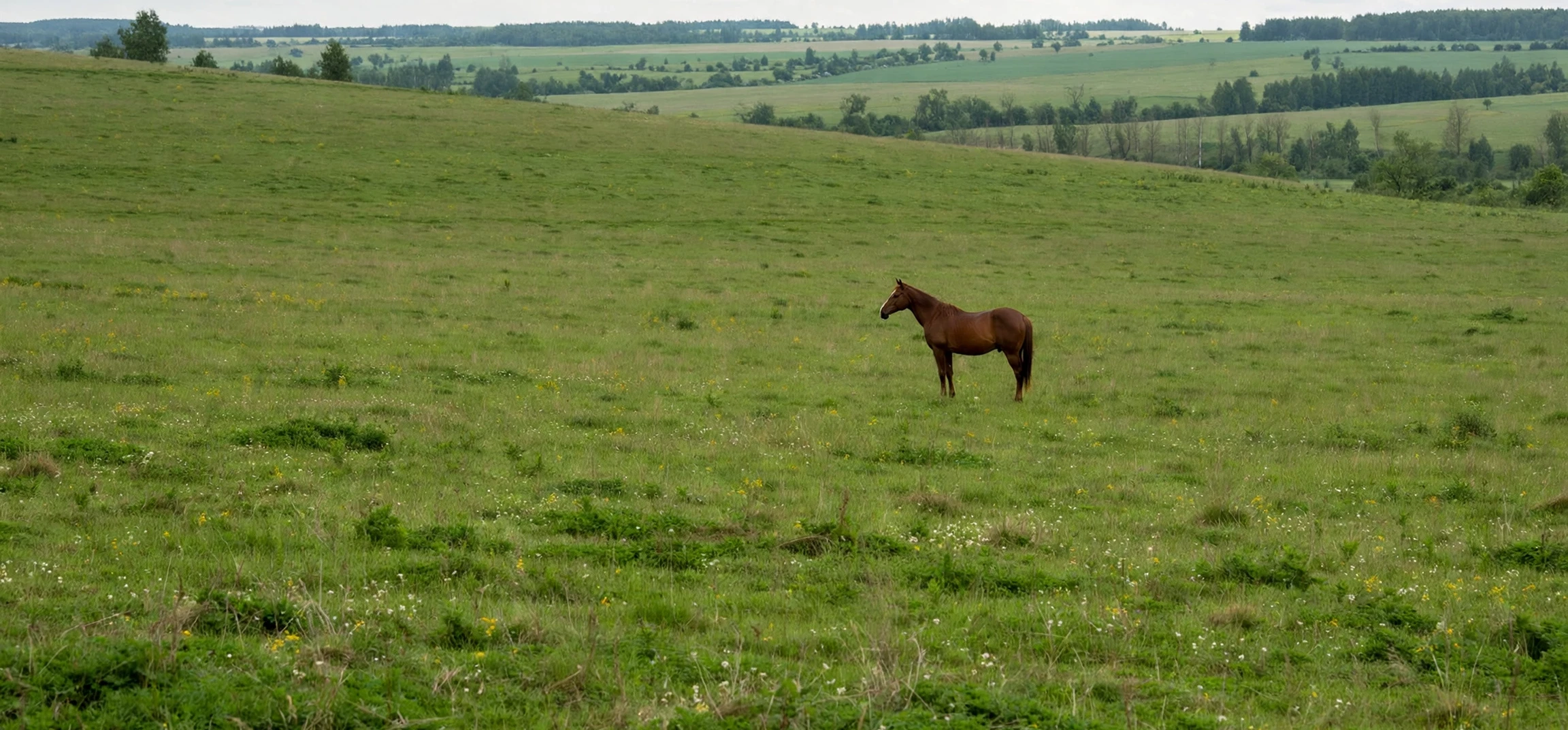
Choosing a name for a horse is a pleasure in any language, but Spanish offers a particularly rich vocabulary for the task. Horse names in spanish draw on nature, colour, speed, strength, light, and character, and many of them sound beautiful whether you speak Spanish fluently or are simply borrowing a word you love. This guide explains the most appealing horse names in spanish, what they mean, how gender and pronunciation work, and how to choose a name that suits your horse’s appearance, temperament, and story, whether the horse is real, a character in a story, or a stable name for a game or project.
Before the lists begin, a few principles will make your choice easier. First, a good horse name is easy to call out clearly, because you will say it often, in a stable yard, a field, or a show ring. Second, it should suit the horse: a gentle name for a calm horse, a bold name for a spirited one, a graceful name for an elegant one. Third, it should be a name you enjoy saying. Spanish names often satisfy all three at once, because many Spanish words are melodic, descriptive, and short enough to call quickly. Keep those tests in mind as you browse, and shortlist three or four favourites before deciding.
Table of Contents
- How Horse Names in Spanish Work
- Nature-Inspired Horse Names in Spanish
- Strength, Speed and Spirit Names
- Colour-Based Horse Names in Spanish
- Elegant and Classic Horse Names in Spanish
- Male and Female Horse Names in Spanish
- How to Choose the Right Name
- Frequently Asked Questions
- Conclusion
How Horse Names in Spanish Work
Spanish is a gendered language, which means most nouns and adjectives have a masculine and a feminine form. For horse names in spanish, that matters because a name that ends in “o” is often masculine, while a name that ends in “a” is often feminine, although there are many exceptions and many names that work for either. For example, “Negro” means black in the masculine form, while “Negra” is the feminine form. If you are naming a mare, the feminine form usually sounds more natural, and if you are naming a stallion or gelding, the masculine form usually fits better. For a character or a project, either form can work if you choose deliberately.
Pronunciation is also worth a brief note, because Spanish pronunciation is generally regular: each letter is pronounced consistently, vowels are pure, and stress usually falls in a predictable place. “Estrella” is pronounced roughly ess-TRAY-ya, “Rayo” is RAH-yo, and “Luna” is LOO-na. You do not need perfect pronunciation to use a Spanish name well, but learning the rough sound of your shortlisted names helps you judge whether they are easy to call and pleasant to hear. If a name is hard for you to say confidently, it may be hard to use every day, however beautiful it looks on paper.
Another feature of horse names in spanish is that many are ordinary Spanish words used as names, rather than invented names. “Trueno” means thunder, “Viento” means wind, and “Sol” means sun. Using a word as a name gives it immediate meaning, which is part of the appeal: the name tells a small story about the horse. That also means you should check the meaning before you commit, because a word that sounds attractive may mean something unexpected. All the names in this guide include their meanings, so you can choose with confidence.
Nature-Inspired Horse Names in Spanish
Nature provides the largest source of horse names in spanish and most beloved source of horse names in spanish. Horses live outdoors, move with weather and seasons, and have a natural presence that invites comparisons with sky, earth, and water. “Estrella” means star, and suits a horse with a star marking on its forehead or a bright, standout presence. “Luna” means moon, and suits a pale, calm, or nocturnal horse, or one with a silvery coat. “Sol” means sun, and suits a golden, warm, or cheerful horse. “Cielo” means sky, and suits a horse with a free, open spirit.
Weather words are equally evocative. “Trueno” means thunder, and suits a powerful horse with a strong gallop or a commanding presence. “Rayo” means lightning or ray, and suits a fast, striking horse. “Lluvia” means rain, and suits a grey or gentle horse. “Viento” means wind, and suits a swift, restless horse that loves to run. “Tormenta” means storm, and suits a dramatic, spirited horse. “Brisa” means breeze, and suits a light, graceful horse. Each of these names paints a picture before you even see the horse, which is why they remain popular across generations.
Earth and landscape words complete the nature set. “Montana” suggests mountains, and suits a strong, steady horse. “Rio” means river, and suits a flowing, graceful mover. “Mar” means sea, and suits a deep-coloured or calm horse. “Bosque” means forest, and suits a dark-coated horse. “Flor” means flower, and suits a delicate or beautiful mare. “Rosa” means rose, and is a classic feminine name for a lovely horse. When you choose a nature name, think about the landscape your horse reminds you of, and the name will feel personal rather than generic.
Strength, Speed and Spirit Names
For horses known for power, horse names in spanish offer, speed, or courage, horse names in spanish offer strong, short words that sound as bold as they mean. “Fuerte” means strong, and is a straightforward choice for a powerful horse. “Valiente” means brave, and suits a horse that faces new challenges calmly. “Guerrero” means warrior, and suits a competitive or show horse with a commanding presence. “Campeon” means champion, and suits a horse with a winning record, although it sets high expectations, so use it playfully rather than as a promise.
Speed names are equally direct. “Veloz” means swift, and suits a fast horse. “Rapido” means fast, and is easy to call. “Flecha” means arrow, and suits a horse that moves straight and true. “Relampago” means lightning flash, and suits a horse with explosive speed. “Cometa” means comet, and suits a horse that draws the eye. These names work well in a show or racing context, where a memorable, energetic name helps a horse stand out, and they also work for fictional horses whose speed is part of their character.
Spirit and character names capture temperament rather than physique. “Libre” means free, and suits an independent horse. “Noble” means noble, and suits a dignified, gentle horse. “Fiel” means faithful, and suits a loyal companion. “Alegre” means cheerful, and suits a horse that is always bright and willing. “Sereno” means serene, and suits a calm, steady horse. “Audaz” means bold, and suits a horse that is adventurous. Choosing a character name is a lovely way to honour what you love most about a horse, rather than only how it looks.
Colour-Based Horse Names in Spanish
Coat colour often inspires horse names in spanish first people notice about a horse, so colour-based horse names in spanish are perennially popular. For black horses, “Negro” and “Negra” are the direct words for black, while “Sombra” means shadow and “Medianoche” means midnight, both elegant alternatives. “Carbon” suggests charcoal, and suits a dark horse with a sleek coat. For white or grey horses, “Blanco” and “Blanca” mean white, “Nieve” means snow, “Plata” means silver, and “Perla” means pearl, each with a slightly different shade of meaning.
For brown and bay horses, “Marron” suggests brown, “Canela” means cinnamon and suits a warm brown horse, “Chocolate” is instantly understood, and “Cobre” means copper and suits a reddish-brown horse. “Dorado” and “Dorada” mean golden, and suit palomino or golden horses. “Rojo” and “Roja” mean red, and suit chestnut horses. “Gris” means grey, and suits a grey horse of either sex. Colour names are practical as well as pretty, because they help people identify a horse quickly in a group, and they rarely go out of fashion.
Markings can inspire names too. A horse with a star on its forehead might suit “Estrella”, as noted above. A horse with a blaze might suit “Blanco” in part, or “Lucero”, which means bright star or morning star. A horse with socks or stockings might suit a playful name, while a horse with a dappled coat might suit “Nube”, meaning cloud. Look at your horse’s distinctive markings, and a name may suggest itself more naturally than any list can. The best colour names describe what you actually see, not just a colour you like in the abstract.
| Spanish name | Meaning | Suits |
|---|---|---|
| Estrella | Star | A standout horse, or one with a star marking |
| Rayo | Lightning | A fast, striking horse |
| Luna | Moon | A pale, calm, or silver-coated horse |
| Trueno | Thunder | A powerful, commanding horse |
| Sol | Sun | A golden, warm, cheerful horse |
| Viento | Wind | A swift, free-running horse |
| Negra / Negro | Black | A black-coated horse |
| Plata | Silver | A grey or silver-coated horse |
| Canela | Cinnamon | A warm brown horse |
| Dorado / Dorada | Golden | A palomino or golden horse |
Elegant and Classic Horse Names in Spanish
Some horse names in spanish are chosen for elegance rather than description, and they suit show horses, dressage horses, and fictional horses with a refined character. “Isabella” and “Isabel” are classic feminine names with a regal sound. “Alejandro” and “Alejandra” are strong, classical names. “Sofia” means wisdom, and suits a thoughtful horse. “Valentina” suggests strength and value, and is a popular, melodic choice. “Diego”, “Carlos”, and “Miguel” are timeless masculine names that work well for horses with a steady, dignified presence.
Other elegant names come from Spanish words with beautiful meanings. “Esperanza” means hope, and suits a horse that arrived after a difficult time. “Amor” means love, and suits a beloved companion. “Bella” means beautiful, and is a simple, affectionate choice. “Precioso” and “Preciosa” mean precious, and suit a horse you treasure. “Encanto” means charm, and suits a horse with a captivating personality. “Tesoro” means treasure, and is a warm, personal name for a horse that means a great deal to you.
Place names can also lend elegance. “Sevilla”, “Granada”, “Valencia”, and “Cordoba” are Spanish cities with rich equestrian traditions, and using one as a horse name nods to that heritage. “Andaluz” refers to Andalusia, a region famous for its horses, and suits an Andalusian horse or a horse with a Spanish breed background. If you use a place name, choose one you have a genuine connection to or admiration for, so the name feels meaningful rather than borrowed at random.
Male and Female Horse Names in Spanish
Sorting horse names in spanish by gender helps narrow a long list quickly. Masculine names often end in “o” or are masculine nouns: “Trueno”, “Rayo”, “Viento”, “Sol”, “Rio”, “Diego”, “Guerrero”, “Valiente”, “Noble”, and “Libre”. Feminine names often end in “a” or are feminine nouns: “Luna”, “Estrella”, “Brisa”, “Lluvia”, “Tormenta”, “Rosa”, “Flor”, “Esperanza”, “Valentina”, and “Bella”. Some names, such as “Mar”, “Sol”, and “Cielo”, can be used flexibly depending on the horse and the owner’s preference, and a name’s sound matters as much as its grammatical gender.
For mares, consider names that combine beauty and strength, because mares are often both. “Reina” means queen, and suits a mare with a commanding presence. “Diosa” means goddess, and suits a striking mare. “Guerrera” is the feminine form of warrior, and suits a competitive mare. “Valiente” works for either sex, and suits a brave mare just as well as a brave stallion. “Luna” and “Estrella” remain the most popular feminine choices, and their popularity is well earned: they are easy to say, beautiful to hear, and meaningful.
For stallions and geldings, consider names that combine power and dignity. “Rey” means king, and suits a horse with a regal bearing. “Titan” suggests immense strength. “Caballero” means gentleman or knight, and suits a well-mannered horse. “Jefe” means chief or boss, and suits a horse with a strong personality, used affectionately. “Campeon” suits a proven performer. Whatever gender you are naming for, test the name aloud several times, call it as you would in a field, and make sure it feels natural rather than forced.
For more naming inspiration, see our guides on dog names in Spanish, Spanish word meanings, and horse-related name ideas.
How to Choose the Right Name
Choosing from horse names in spanish is easier with a short process. First, list what stands out about your horse: colour, markings, size, temperament, breed, and story. Second, match those traits to the categories in this guide: nature, strength, colour, elegance, or character. Third, shortlist three to five names, and say each one aloud as a call, not just in your head. Fourth, live with the shortlist for a day or two, and notice which name you keep returning to. The name you remember without effort is often the right one.
Also consider practicalities. Avoid a name that sounds very similar to a command you use regularly, because a horse may confuse the two. Avoid a name that is very long if you need to call it quickly, although a long formal name can be paired with a short stable name for everyday use. Check that the name is not already used by another horse in your stable or show circuit if uniqueness matters to you. Finally, remember that a name can grow with a horse: a playful name for a young horse may still suit an older horse if it captures character rather than only appearance, so favour character and meaning over novelty.
Frequently Asked Questions About Horse Names in Spanish
What is the most popular Spanish horse name?
Luna and Estrella are among the most popular, for mares in particular, while Trueno and Rayo are popular for strong, striking horses. Popularity is a guide, not a rule: choose a name that suits your horse, even if it is less common.
Do Spanish horse names need to match the horse’s gender?
Matching gender usually sounds more natural, because Spanish adjectives change form by gender, but it is not a strict rule for a name. Many owners use a favourite word regardless of gender, and a name’s sound and meaning matter most.
Can I use a Spanish word I like even if I do not speak Spanish?
Yes, provided you check its meaning first. Many Spanish words are used as names by people who do not speak the language, and learning the rough pronunciation helps you use the name confidently.
Should a show horse and a stable horse have different names?
They can. Many horses have a formal show name and a shorter stable name for everyday use. The stable name is the one you will call daily, so it should be short, clear, and easy to say.
Conclusion
Horse names in spanish offer a wonderful range: stars and moons, thunder and wind, gold and silver, hope and love, queens and warriors. Whether you choose a nature name such as Luna, a strength name such as Trueno, a colour name such as Dorada, or an elegant classic such as Valentina, the best name will be one that suits your horse’s appearance and character, is easy to call, and is a pleasure to say. Shortlist a few favourites, test them aloud, live with them briefly, and then commit with confidence. A well-chosen Spanish name does more than label a horse: it tells a small, beautiful story every time you say it.



