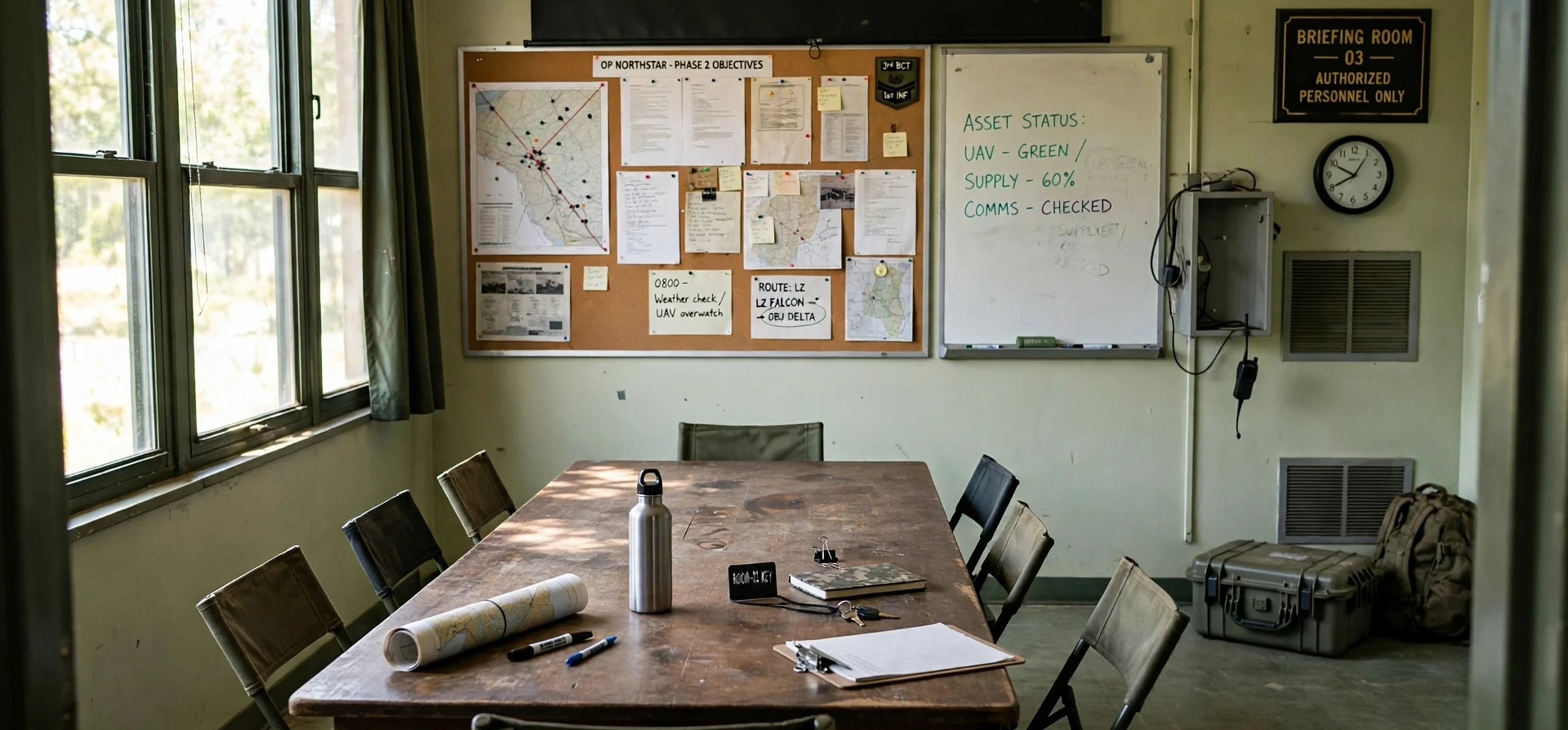
If you are looking for episodes the unit fans talk about, this guide will help you understand the show, its seasons, its characters, and how to find reliable episode information without relying on unofficial links. The Unit is an American television drama about a fictional special operations team and the families who support them at home. It blends action, teamwork, and domestic drama, and it has kept a loyal audience long after its original run ended.
When people search for episodes the unit listings, they usually want one of three things: a reminder of how the show was structured, a way to find a particular story or character moment, or a safe place to check official episode listings. This article covers all three in general terms. It does not provide streaming or download links, and it does not present episode dates or broadcast channels as current facts. For the most up-to-date availability and listings, check official network, studio, or licensed service pages and your local listings provider.
- Episodes The Unit: Show Overview
- Episodes The Unit: How the Show Is Structured
- Seasons at a Glance
- Main Characters and Team Roles
- Themes That Run Through the Show
- Finding Reliable Episode Information
- Watching Safely and Legally
- Frequently Asked Questions
- Conclusion
Episodes The Unit: Show Overview
The Unit follows a covert special operations unit whose members take on high-risk missions while trying to keep their work secret from most of the outside world. At the same time, the show follows their spouses and families on the home base, where everyday life continues under unusual pressure. That dual focus is what sets the show apart from a purely action-driven series, and it is a major reason episodes the unit guides remain popular with new viewers. Missions provide tension and pace, while home-front stories provide emotion, moral questions, and long-running character development.
Viewers who return to episodes the unit discussions often mention this balance. A mission episode may show planning, teamwork, and difficult choices under pressure, while the next storyline may focus on trust, family, loyalty, or the cost of secrecy. The show treats its adult characters as professionals with personal lives, not simply as action figures, and that depth is a major reason fans still recommend it to new viewers years later.
It is important to note that The Unit is a work of fiction. Its unit, missions, and characters are dramatised for television, and the show should not be taken as a documentary account of real military operations. Real special operations work is governed by strict rules, training, and oversight that television necessarily simplifies for drama. Enjoying the show as fiction, while respecting that distinction, is the best way to appreciate both the storytelling and the real service it draws inspiration from.
Episodes The Unit: How the Show Is Structured
Most episodes the unit viewers remember follow a recognisable pattern, even as individual stories vary. An episode often opens with a mission briefing or a domestic scene that sets up a personal conflict, then moves between the operational storyline and the home-front storyline. The two threads may echo each other thematically, for example when a question of loyalty on a mission mirrors a question of trust at home. By the end of the episode, the mission may resolve while the personal storyline continues into future episodes.
Longer story arcs run across multiple episodes. Characters develop relationships, face consequences from earlier decisions, and deal with changes in command, family circumstances, or team dynamics. This serial element rewards viewers who watch in order, because a small choice in one episode can shape a character’s options several episodes later, which is why episodes the unit fans often recommend a full rewatch in order. At the same time, many individual episodes can be enjoyed on their own, because the mission at the centre of each episode is usually introduced and concluded within that episode.
For new viewers, watching in season order is the simplest approach. It preserves character development and avoids spoilers for longer arcs. For returning viewers, episode guides and official listings can help locate a favourite storyline, but they should be used as finding aids rather than as substitutes for watching. A short synopsis can remind you of a plot, but it cannot capture performance, pacing, or the quieter domestic scenes that give the show its emotional weight.
Seasons at a Glance
The Unit ran for multiple seasons, with each season building on the team and family stories established before it. Early seasons focus on introducing the team, its command structure, and the rules that govern secret work. Viewers learn how missions are planned, how cover stories are maintained, and how families cope when a partner is away or cannot explain an absence. These foundations make later seasons more rewarding, because the audience already understands the stakes.
Later seasons deepen existing relationships and introduce new challenges, including changes in leadership, personal crises, and missions that test the team’s cohesion. Without giving away major plot twists, it is fair to say that the show does not keep its characters static. They make mistakes, they learn, and they face consequences, which keeps the drama grounded even when the missions themselves are extraordinary. That character growth is frequently cited by fans as the show’s greatest strength, and episodes the unit discussions return to it again and again.
| Viewing stage | What to expect | Good approach for new viewers |
|---|---|---|
| Early seasons | Team introduction, mission format, family life on base | Watch in order to learn the characters |
| Middle seasons | Deeper arcs, leadership questions, personal consequences | Follow longer storylines across episodes |
| Later seasons | Mature character development and high-stakes choices | Avoid spoilers if you want surprises preserved |
Because availability and presentation can change over time, season groupings on licensed services may differ in numbering or packaging. Always check the official listing for the service you are using, rather than assuming that a fan-made list matches the version you can access. If a season appears to be missing, it may be listed under a different grouping, or it may not be licensed in your region at that time.
Main Characters and Team Roles
The team at the centre of The Unit is led by experienced operators who bring different skills and personalities to each mission. One character provides steady leadership and tactical judgement, while others contribute specialist skills, language ability, technical knowledge, or calm under pressure. The show gives each team member moments to lead, to struggle, and to support colleagues, which helps viewers see the unit as a team rather than as a single hero with helpers.
The adult cast also includes spouses and family members whose stories are given real screen time. These characters are not background figures. They manage households, careers, friendships, and worries while their partners are on missions they cannot discuss. Their storylines explore loyalty, independence, community on a military base, and the difficulty of building a normal life around secret work. Many viewers find these home-front stories just as compelling as the missions.
Supporting characters, including commanders, colleagues, and occasional guest characters, add further layers. Commanders must balance mission objectives with the welfare of their people. Colleagues on base provide friendship, rivalry, and practical help. Guest characters in mission storylines often represent civilians, officials, or people caught in difficult circumstances, and their stories raise questions about responsibility and choice. Together, these layers give the show a broad, human scope, and episodes the unit viewers often praise this balance between action and domestic life.
Themes That Run Through the Show
Loyalty is a central theme, in both its strengths and its costs. Team members are loyal to each other, to their mission, and to their families, and those loyalties sometimes pull in different directions. The show explores what happens when doing the right thing for the team conflicts with honesty at home, or when following orders conflicts with personal conscience. It rarely offers simple answers, which is part of its appeal to adult viewers, and episodes the unit storylines use that ambiguity deliberately.
Secrecy is another major theme. Characters keep secrets to protect missions, families, and colleagues, but secrecy also creates distance and misunderstanding. Spouses must live with partial information. Team members must maintain cover stories. The show examines how secrecy protects people and how it can also isolate them, and it returns to that tension again and again across seasons.
Sacrifice, duty, and identity complete the thematic core. Characters sacrifice time, comfort, and sometimes safety for their work. They ask what duty requires and what it costs. They also ask who they are outside their roles, as soldiers, spouses, parents, and friends. These questions give the show a reflective quality that distinguishes it from action series that focus only on missions and outcomes.
Finding Reliable Episode Information
If you want to find a specific storyline, start with official sources. Studio pages, network archives, and licensed service catalogues are the most reliable places to check episode titles, season groupings, and availability. Reputable television databases can also help, but they should be cross-checked against an official listing when a detail matters, such as whether a season is currently available in your region.
When you search for episodes the unit guides, you will find many fan pages, forums, and recap sites. These can be useful for discussion and reminders, but they vary in accuracy and completeness. Fan pages may use informal titles, may mix up episode order, or may include speculation presented as fact. Use them for conversation and orientation, and use official listings for verification. If two sources disagree, the official source should be trusted.
Be cautious with pages that promise free access, ask you to download files, or require unusual permissions. Legitimate episode guides describe a show and point you toward official listings. They do not need you to install software or hand over personal details to read a synopsis. If a page feels pushy, cluttered with misleading buttons, or inconsistent with official information, leave it and use a reputable source instead.
For readers who enjoy television episode guides, a related guide on this site covers another long-running drama in Blacklist TV show episodes, while a classic action series is explored in Airwolf TV show. Both guides follow the same safe approach: general information, no unofficial links, and a pointer toward official listings.
Watching Safely and Legally
The safest way to watch The Unit is through a licensed service, broadcaster, or physical release available in your region. Licensed services pay rights holders, provide reliable video quality, and present episodes in the correct order, making them the best starting point when you look for episodes the unit availability. They also offer subtitles, accessibility options, and parental guidance information that unofficial sources may lack. Checking a licensed catalogue first saves time and avoids the risks of unofficial sites.
Availability changes over time as licences expire and renew. A show that was available on one service last year may move to another service, or may become available through a different format. That is normal in television distribution and does not mean that unofficial copies are a safe substitute. If you cannot find the show on a licensed service in your region, check official studio or network announcements, or consider a legitimate physical release if one is available.
Parents and guardians should also note that The Unit is an adult drama with action, tension, and mature themes. It is best suited to adult viewers, and episode guidance from licensed services can help families decide what is appropriate in their household. The show’s domestic storylines deal with adult relationships and pressures, so it is not presented here as family viewing for younger audiences.
Frequently Asked Questions
What is The Unit about?
The Unit is a fictional television drama about a covert special operations team and their families. It combines mission storylines with home-front drama, exploring loyalty, secrecy, duty, and family life under unusual pressure.
How should new viewers watch the show?
Watching in season order is the best approach for new viewers, because character arcs and consequences build across episodes. Official listings from licensed services will show the correct season grouping for your region.
Where can I find reliable episode listings for episodes the unit?
Check official studio, network, or licensed service pages first for episodes the unit listings. Reputable television databases can help with orientation, but official listings should be used to verify availability and order.
Is The Unit based on real events?
No, The Unit is a work of fiction. It draws inspiration from military themes and special operations culture, but its characters, unit, and missions are dramatised for television and should not be treated as documentary fact.
Conclusion
Episodes the unit fans revisit offer a blend of action, teamwork, and family drama that has aged well because its characters feel human. By watching in order, using official listings to find episodes, and treating the show as fiction, you can enjoy its missions and its quieter domestic stories at their best. Whether you are discovering the series for the first time or returning to favourite storylines, the safest path is simple: start with official sources, watch legally, and let the characters and their choices carry the story.



