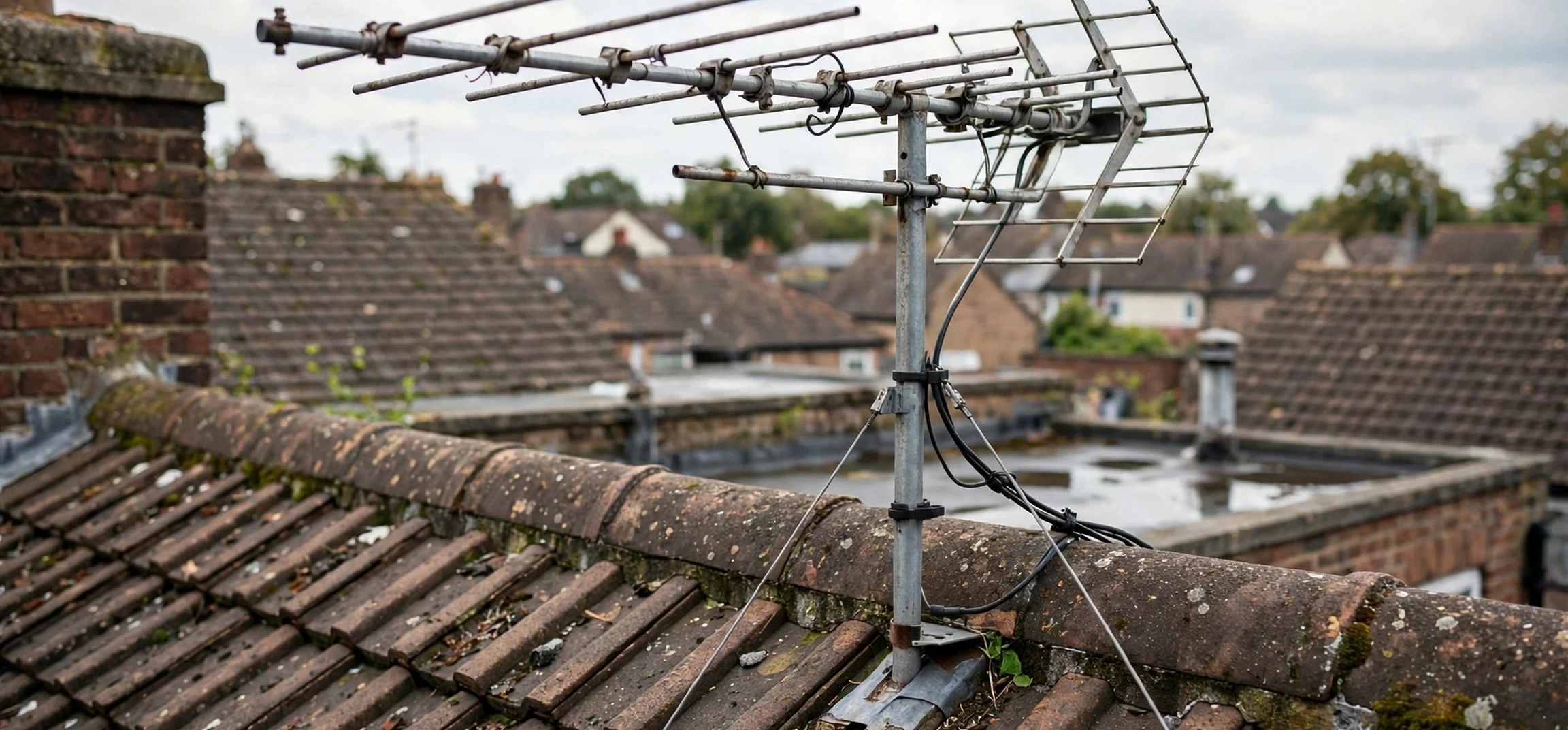
If you have ever wondered how to choose and position a television antenna, antenna mapping is the idea that ties the whole job together. Antenna mapping means using maps, coverage information, and your local geography to understand where broadcast signals come from, how far away they are, and what kind of antenna setup is most likely to work well at your home. It is not about guessing, and it is not about buying the largest antenna you can find. It is about matching your location, your surroundings, and your viewing goals to a sensible setup, then testing and adjusting carefully. This guide explains antenna mapping in plain language, with general advice only, so you can plan a reception setup with confidence and avoid common mistakes.
Good reception starts before you buy anything. A home near broadcast towers with a clear line of sight will usually have very different needs from a home in a valley, behind hills, or surrounded by tall buildings. Antenna mapping helps you see those differences on paper before you climb a ladder or drill a hole. By looking at tower directions, distances, and terrain, you can decide whether an indoor antenna might be enough, whether an outdoor or loft antenna is worth considering, and which direction to point it in first. That planning saves time, reduces frustration, and often improves results more than simply spending more money.
Antenna Mapping Basics: What the Maps Actually Show
At its simplest, antenna mapping combines two kinds of information: where transmitters are located, and what lies between those transmitters and your home. Broadcast coverage maps typically show predicted signal strength across an area, often in broad bands rather than precise guarantees. They are useful for planning, but they are not a promise that every home in a coloured area will receive the same result. Buildings, trees, hills, weather, and the antenna itself all affect real-world reception, so a map should be treated as a starting point for testing, not as a final verdict.
Most mapping tools also show direction. If most of the transmitters serving your area lie in roughly the same direction, a directional antenna pointed that way may be a good starting point. If transmitters lie in several different directions, you may need a wider-reception antenna, a rotator in some setups, or a compromise direction that balances the services you care about most. Antenna mapping makes those trade-offs visible, so you can choose deliberately instead of pointing an antenna at random and hoping for the best.
Distance, terrain, and obstacles
Distance matters, but it is not the only factor. A relatively short distance across flat, open ground is very different from the same distance across hills or through a dense urban area. Hills can block or reflect signals, tall buildings can create shadows and reflections, and even large trees can affect reception, especially when wet or in leaf. Antenna mapping that includes terrain gives a much better picture than distance alone, because it helps explain why two homes a short distance apart can have very different results.
Why maps are predictions, not guarantees
Coverage maps are built from models, and models simplify the real world. They cannot know about a new building, a thick wall, a metal roof, or a particular arrangement of furniture and wiring inside your home. That is why experienced installers treat a map as a guide and then test in place. If your results differ from the map, that does not necessarily mean the map was wrong in a general sense. It usually means that a local factor at your home is playing a larger role than the broad model could capture.
Antenna Mapping: How to Use a Map Step by Step
Using antenna mapping well is a calm, methodical process, and you do not need specialist training to follow it. Start by finding your home on a coverage or transmitter map from a reputable source, and note the general direction and distance of the transmitters that serve your area. Next, look at the terrain between you and those transmitters, and note any obvious obstacles such as hills or large structures. Then think about your home itself: its height, its construction, and where an antenna could realistically be placed safely.
With that picture in mind, choose a starting setup. For many homes, that means an indoor antenna placed near a window facing the transmitters, tested in a few positions before any permanent fixing is considered. For homes further from transmitters, or with more obstacles, an outdoor or loft antenna mounted as high as is safe and practical often gives a stronger and more stable result. In both cases, test before you commit, and change one thing at a time, so you know what actually made a difference.
A practical testing routine
Test methodically rather than all at once. Point the antenna in the mapped direction first, scan for services, and note the result. Then try small adjustments in direction, height, and position, scanning again after each change and noting what improved and what got worse. Keep a simple written record, because it is easy to forget which position worked best after several tries. Once you find a position that works well, leave it alone for a while and check it at different times of day before deciding it is final.
Indoor, loft, and outdoor options
Indoor antennas are easy to try and easy to move, which makes them a good first test, especially in strong-signal areas. Loft antennas are protected from weather and can be higher than an indoor antenna, but roof materials and nearby wiring can affect them. Outdoor antennas are usually the most effective where signals are weaker, because they are higher and clearer of indoor obstacles, but they require safe mounting, weatherproofing, and care around roofs and power lines. Antenna mapping helps you judge which of these is worth trying first, rather than starting with the most difficult option by default.
Antenna Mapping: Common Reception Problems and What They Suggest
Even with good antenna mapping, reception problems happen, and the pattern of the problem often points to the cause. If reception is fine in good weather but poor in wind or rain, movement or water may be affecting the antenna or its connections. If one group of services is fine while another is weak, direction or distance may be the issue, since different transmitters can be affected differently. If reception breaks up only at certain times, interference from nearby equipment, or changing conditions, may be involved. Noticing the pattern is more useful than simply turning the antenna at random.
Connections and cables deserve attention too. A loose connector, a damaged cable, or a poorly made joint can undo the benefit of a well-chosen antenna. Check that connectors are firm, that cables are not sharply bent or crushed, and that any amplifier, if used, is actually needed. Amplifiers can help in some weak-signal situations, but they can also amplify noise and interference, so they are not a universal fix. In strong-signal areas, an amplifier can sometimes make things worse rather than better.
Reflections and multipath in plain language
Signals do not always travel in a straight line. They can bounce off buildings, hills, and other large surfaces, arriving at your antenna by more than one path. When those paths interfere, reception can break up even though the overall signal seems strong. This is one reason why a small change in antenna position can sometimes make a big difference: moving the antenna a short distance can change how those reflected signals combine. Antenna mapping cannot predict every reflection, but it can help you understand why a location that looks good on paper still needs careful testing in place.
Antenna Mapping: A Planning Checklist Before You Buy or Mount Anything
Before spending money or climbing anywhere, work through a short checklist. First, confirm the general transmitter direction and distance for your area using a reputable map. Second, note terrain and obstacles between you and the transmitters. Third, decide on a safe and practical mounting location, and rule out any location that would require unsafe work at height or near power lines. Fourth, plan your cable route, keeping it as short and direct as practical while avoiding sharp bends and sources of damage. Fifth, decide how you will test, and allow time for testing at different times of day.
Safety deserves emphasis here. Roof work, ladders, and outdoor mounting carry real risks, and no television signal is worth an injury. If a location requires working at height, near power lines, or on a fragile roof, consider hiring a qualified installer. A professional can also advise on safe mounting, weatherproofing, and local regulations, and can test with proper equipment. Antenna mapping is a planning tool, not a substitute for safe working practices.
| Situation suggested by the map | Sensible starting point | What to test first |
|---|---|---|
| Close to transmitters, clear path | Indoor antenna near a suitable window | Position and direction in small steps |
| Moderate distance or some obstacles | Loft or outdoor antenna, mounted safely | Height and direction, one change at a time |
| Transmitters in several directions | Wider-reception antenna or compromise direction | Which services matter most to you |
| Hills or tall buildings in the way | Higher, clearer mounting if safe | Small position changes and cable checks |
| Reception varies by time or weather | Check connections, movement, and interference | Pattern of the problem before changing hardware |
Frequently Asked Questions About Antenna Mapping
Does antenna mapping guarantee reception?
No. Antenna mapping gives a well-informed prediction based on transmitter locations, distance, and terrain, but local factors at your home can change the result. Treat the map as a planning guide, then test in place and adjust carefully.
Is a bigger antenna always better?
Not necessarily. The right antenna depends on distance, direction, terrain, and your home. A well-positioned antenna suited to your situation often outperforms a larger antenna pointed in the wrong direction or mounted in a poor location.
Why do neighbours get different results?
Neighbours can differ in height, building materials, antenna position, cable quality, and local obstacles such as trees or extensions. Even a small difference in antenna height or position can change how signals and reflections combine at that home.
Should I use an amplifier?
Only if testing suggests it helps. Amplifiers can assist in some weak-signal setups, but they can also amplify interference and overload in strong-signal areas. Try without one first where possible, and add one only if a careful test shows a clear improvement.
Conclusion: Antenna Mapping as Smart Preparation
Antenna mapping is, at heart, a habit of preparation: look at where signals come from, understand what lies in between, choose a sensible starting setup, and test methodically. That habit beats guesswork, saves unnecessary purchases, and gives you a clear record of what works at your home. Start with a reputable map, respect safety at every step, change one variable at a time, and give a good position time to prove itself before you call the job done. For related television setup help, you can also read how to connect a universal remote to a TV and a TV guide overview on this site.