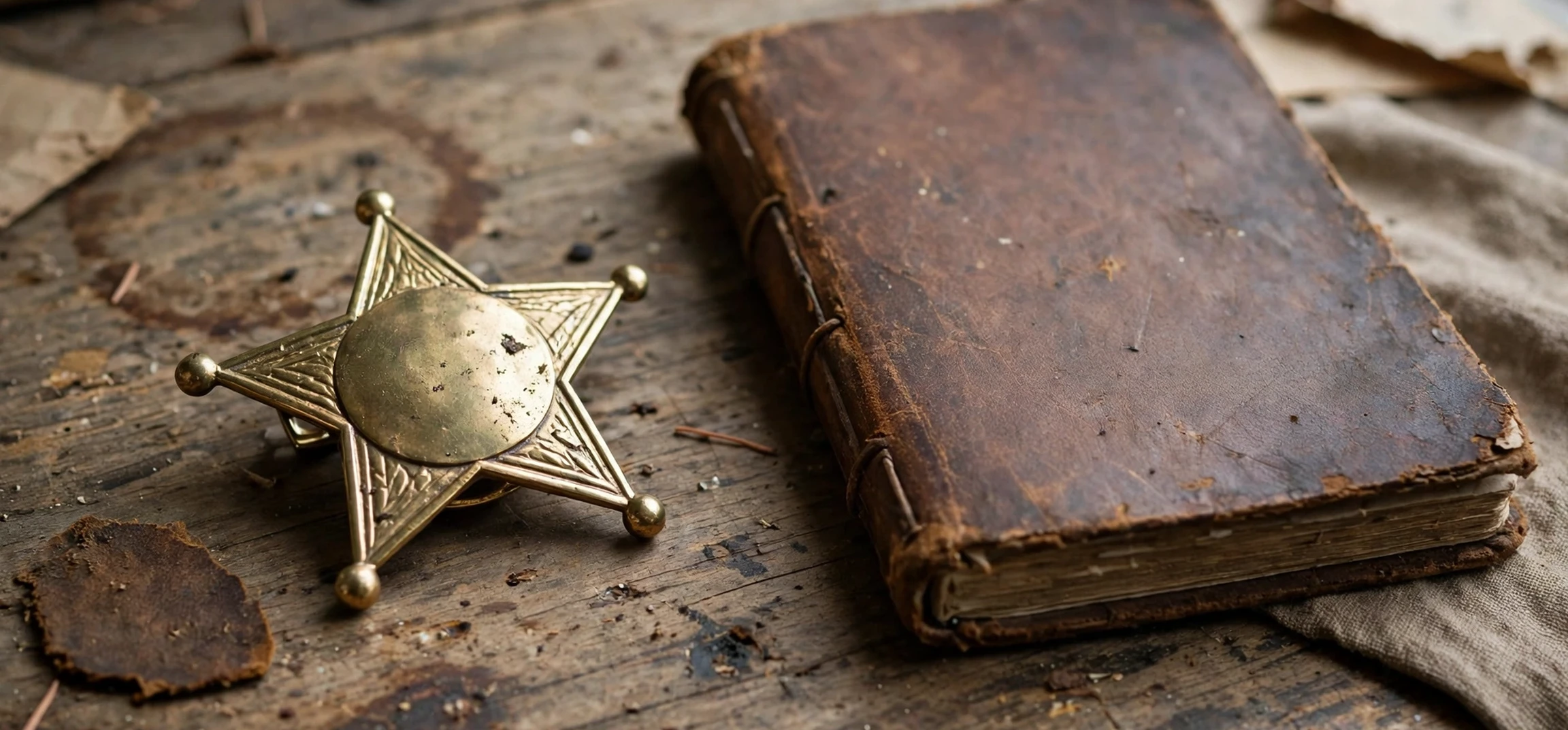
When people search for the marshal show, they usually mean a television drama built around the United States Marshals Service, the federal law enforcement agency famous for tracking fugitives, protecting courts, and guarding witnesses. Because the sheet keyword is a generic phrasing, this guide covers US Marshals-themed TV shows generally rather than pretending a single title owns the phrase. From classic westerns starring lone lawmen to modern crime dramas about fugitive-hunting teams, marshals have been a durable presence on television for decades, and the reasons are easy to see: high-stakes chases, clear moral stakes, and characters who operate at the edge of the law while enforcing it.
The appeal of the marshal show lies in its job description. A marshal’s work naturally generates stories: a fugitive on the run, a witness in danger, a small town hiding a secret, a courtroom under threat. Television writers have mined that work across genres, including westerns, contemporary procedurals, comedies with a law-enforcement twist, and character dramas about people living under assumed identities. This guide traces that history, explains what real marshals actually do, and helps viewers choose which kind of marshal show suits their taste.
The Marshal Show: Origins in the Western
The earliest version of the marshal show grew out of the television western. In those series, a marshal or sheriff stood for order in a frontier town, facing outlaws, land disputes, and personal vendettas. The format was episodic: each week brought a new stranger, a new conflict, and a resolution that restored a fragile peace. Audiences liked the clarity of the setup, and the marshal became a shorthand figure for authority with a conscience, a person who carried a badge but also carried doubt.
Those western roots still shape how the marshal show looks today. Even in modern urban settings, the central character often works alone or in a small team, travels to unfamiliar places, and confronts people who have something to hide. The horse may have been replaced by a car and a database, but the structure survives: arrive, investigate, pursue, and decide. That continuity is part of why the figure has lasted across eras when many other television archetypes faded.
The Marshal Show in the Modern Crime Drama Era
The modern version of the marshal show shifted the focus from a lone lawman to a team with specialties: a lead investigator, a tech-savvy analyst, a field operative, and a supervisor balancing politics with principle. Fugitive-hunting units gave writers a built-in engine, because every episode could open with a new target and a ticking clock. The best of these shows balanced action with character, showing how the pressure of the job affected marriages, friendships, and judgment.
Another modern strand centres on witness protection, one of the Marshals Service’s most distinctive duties. In these stories, the drama comes not only from chasing criminals but from protecting ordinary people who have been forced to abandon their old lives. A protected witness must learn a new name, a new town, and a new routine, while the marshal assigned to them must decide how much trust to extend. That premise supports both tense thrillers and quieter character studies, and it has produced some of the most memorable marshal show storytelling.
Comedy has also found a place in the genre. Some series treat the marshal show format lightly, pairing a by-the-book deputy with a chaotic partner or dropping a federal officer into a small town full of eccentrics. The humour works because the marshal’s seriousness contrasts with the absurdity around them. While purists may prefer straight drama, these lighter takes keep the figure accessible to audiences who want entertainment without grim intensity in every episode.
The Fugitive-Hunting Formula
The fugitive-hunting formula follows a reliable rhythm: a case file opens, the team profiles the target, leads take them to unexpected places, and a confrontation forces a moral choice. Strong episodes complicate that rhythm by making the fugitive sympathetic, the evidence ambiguous, or the cost of capture painfully high. When a marshal show leans into those complications, it rises above routine procedural work and becomes a drama about justice itself.
Witness Protection Stories
Witness protection stories flip the perspective. Instead of following the hunter, they follow the hunted and the people guarding them. The central questions become personal: Can a person really start over? What happens to family left behind? How does a marshal protect someone who keeps breaking the rules? These questions give actors room for sustained, emotional performances, and they explain why witness protection remains a favourite setting for limited series as well as ongoing shows.
What Real US Marshals Actually Do
Television compresses and dramatises, so it helps to separate the marshal show from the real agency. The United States Marshals Service is the enforcement arm of the federal courts. Its duties include apprehending federal fugitives, managing and transporting prisoners, protecting judges and court personnel, seizing assets connected to federal cases, and operating the federal witness protection programme. Deputies work across the country, often in cooperation with local police, federal agencies, and international partners.
Real marshal work is less glamorous than its screen version. It involves paperwork, surveillance, waiting, coordination, and careful risk assessment. Chases and confrontations happen, but they are the exception rather than the daily routine, and safety procedures govern every step. Television, by contrast, must deliver a dramatic payoff within an hour, so it concentrates the exciting moments and trims the administrative ones. Viewers who enjoy a marshal show should enjoy it as drama first and treat its procedures as inspiration rather than a documentary record.
That gap between screen and reality is not a flaw; it is how genre television works. Westerns simplified frontier justice, medical dramas simplify hospital work, and legal dramas simplify courtrooms. The test of a good marshal show is not perfect accuracy but whether it captures something true about the job’s pressures: responsibility for other people’s safety, decisions made with incomplete information, and the tension between rules and conscience.
| Marshal show type | Typical setting | Best for viewers who like |
|---|---|---|
| Classic western marshal | Frontier town | Self-contained stories and clear moral stakes |
| Fugitive-hunting team | Modern cities and highways | Fast-paced procedurals with a new case weekly |
| Witness protection drama | New identities, hidden locations | Character-driven tension and emotional arcs |
| Marshal comedy | Small towns or odd partnerships | Light humour with a law-enforcement twist |
Choosing the Right Marshal Show for You
Choosing a marshal show starts with tone. If you enjoy classic television and straightforward storytelling, begin with western-era marshal series, where episodes stand alone and the hero’s code is the through-line. If you prefer modern pacing and ensemble casts, a fugitive-hunting procedural will feel more familiar, with its case-of-the-week structure and season-long character arcs. If you want emotional depth, seek out witness protection stories, where the stakes are personal as well as legal.
Availability also shapes the choice. Older marshal show titles circulate through classic television channels, retro streaming collections, and DVD releases, while newer series appear on major streaming platforms and network catch-up services. Because rights vary by region and change over time, checking a current streaming guide before settling in is wise. Fan communities and episode guides can also help, since they flag standout episodes and explain continuity for shows with longer runs. For a broader tour of television history, you may enjoy our guides to retro action series and classic science-fiction television.
Frequently Asked Questions About the Marshal Show
Is there one single show called The Marshal Show?
No single title owns the generic phrase. Many series across decades feature US Marshals as central characters, and viewers use the phrase loosely to describe the genre as a whole. This guide therefore treats the marshal show as a category, covering western, procedural, witness protection, and comedy variations.
Are marshal shows accurate about real marshals?
They capture the broad duties, such as fugitive apprehension and witness protection, but compress timelines, heighten danger, and simplify procedure for dramatic effect. They are best watched as entertainment inspired by real work, not as training material.
Where should a new viewer start?
Start with the tone you enjoy most: western for classic standalone stories, fugitive-hunting procedural for modern pace, witness protection drama for character depth, or comedy for a lighter take. Sampling one episode from two different types is often the fastest way to find your preference.
The Marshal Show and Its Lasting Legacy on Television
The legacy of the marshal show extends beyond any single series, because the figure has shaped how television portrays law enforcement itself. Early western marshals established the lone officer with a code, later procedurals added teams, technology, and moral complexity, and witness protection dramas added emotional depth. Each generation of writers inherited the badge and reinterpreted it for its own audience, which is why the marshal show feels both familiar and fresh whenever it returns. New viewers can start almost anywhere in that history and still recognise the core character: a person charged with upholding the law while wrestling with what the law demands in a difficult case.
That legacy also shows up in series that are not strictly about marshals but borrow their structure. Fugitive hunts, protected witnesses, and officers working far from home all appear across crime drama, and many of those stories trace their lineage to the marshal show tradition. For fans, tracing that influence is part of the fun: spotting a familiar setup in a new series, comparing how different eras handled the same dilemma, and debating which portrayal captured the job best. The badge may change style across decades, but the questions it raises about justice, duty, and conscience remain constant.
Conclusion: Why the Marshal Show Endures
The marshal show endures because its hero occupies a unique position: a federal officer with national authority who still works face to face with individuals, towns, and families. That combination supports westerns, procedurals, thrillers, comedies, and character dramas alike, and it gives writers a flexible engine for new stories. Whether the marshal rides into a frontier town or tracks a fugitive through a modern city, the core questions stay the same: what does justice require, what does it cost, and who bears that cost? As long as television keeps asking those questions, the marshal show will keep finding new forms. For more classic television viewing ideas, see our guide to beloved sitcom ensembles.



