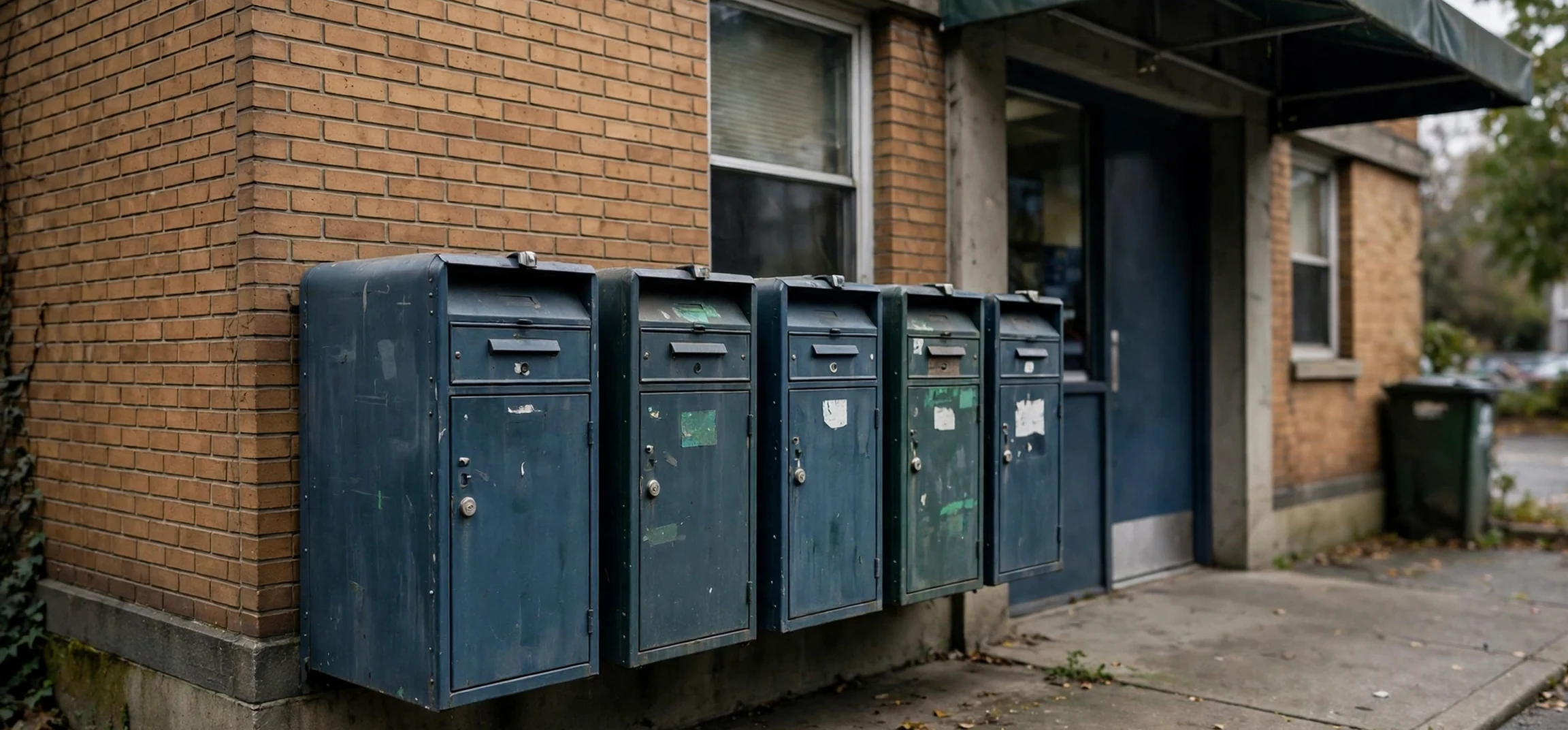
A package marked delivered that never arrived, a neighbour’s post landing in your box, or your own mail turning up at the wrong house — a wrong address USPS problem is frustrating, but it is also usually fixable if you act quickly and follow the right steps. The United States Postal Service handles hundreds of millions of mailpieces every day, and while most arrive correctly, misdeliveries happen for reasons ranging from similar addresses and unclear handwriting to sorting errors and outdated address records. This guide explains what to do when USPS delivers to the wrong address, how to report it, what senders and recipients can each do, and how to reduce the chances of it happening again.
What a Wrong Address USPS Delivery Actually Means
When people say “wrong address USPS”, they usually mean one of three different situations, and the right response depends on which one applies. The first is misdelivery: your mail was addressed correctly but delivered to the wrong mailbox, often a neighbour with a similar house number or street name. The second is an addressing error: the sender wrote the wrong address, used an old address, or made a typo, so the Postal Service delivered the item exactly where the label said, which happened to be the wrong place. The third is a delivery scan error: tracking shows “delivered” but the item is not there, sometimes because it was scanned early, left at an unexpected spot, or delivered to a parcel locker or leasing office.
Distinguishing these cases matters. If the address on the label is correct and the item went elsewhere, USPS can usually trace it through its internal scans. If the label itself was wrong, the fix involves the sender, who may need to request interception or file a claim. If tracking says delivered but nothing is there, waiting until the next business day often resolves it, since carriers sometimes scan items before the final delivery stop. Patience for a day, combined with a check of porches, side doors, garages, and mailrooms, solves a surprising number of “missing” deliveries.
What to Do First When Mail Goes to the Wrong Address
Start by confirming the facts. Check the tracking information on the USPS website or app and read the full delivery details, including the delivery location note, which may say “left with individual”, “in parcel locker”, or “at front door”. Ask household members and neighbours whether they accepted a package on your behalf. If you received someone else’s mail, do not open it — opening mail addressed to another person is a federal offence in the United States, even when it arrives by mistake. Simply mark it “not at this address” or “delivered to wrong address” and put it back in your mailbox with the flag up, or hand it to your carrier.
If you are the intended recipient and the item is missing, contact the sender first if it is a retail order, since many retailers can reship or refund faster than a postal investigation. In parallel, you can report the problem to USPS. Keep your tracking number, the sender’s details, and the correct delivery address to hand, since every USPS report asks for them. Photographs of the shipping label, if you have them, can also help establish what went wrong.
Steps for recipients
Recipients should check tracking, search common delivery spots, ask neighbours, and then report the issue. If the item is valuable or time-sensitive, mention that when reporting, since it can affect how the case is prioritised. For mail delivered to you in error, return it promptly through your carrier or local post office rather than holding it or throwing it away.
Steps for senders
Senders should verify the address they used against the order record, check whether the customer has moved, and consider USPS Package Intercept if the item is still in transit. Once an item is marked delivered, interception is no longer possible, and the sender’s options narrow to claims and customer-service remedies. Clear address confirmation at checkout, including apartment and suite numbers, prevents most sender-side errors.
How to Report a Wrong Address USPS Delivery
USPS offers several reporting routes. The simplest is to visit the USPS website and use the “Where is my package?” or “Missing Mail” search, which walks you through the tracking details and lets you submit a service request. You can also call USPS customer service or visit your local post office in person, which is often the fastest option for misdelivery, because local staff know the route and the carrier. For persistent problems on a particular route, filing a formal complaint creates a record that supervisors review, and repeated reports about the same address can trigger a route check.
When reporting, be specific: give the tracking number, the date and time of the supposed delivery, the address on the label, and the correct address. Explain whether the item went to a neighbour, a different street, or an unknown location. If a neighbour received it and returned it, say so, since that closes the loop. If you suspect theft rather than misdelivery, say that too, and consider filing a report with local police, especially for high-value items. USPS Postal Inspectors investigate mail theft, and a police report strengthens any claim.
USPS Package Intercept, Redelivery, and Claims
Package Intercept is a paid USPS service that lets senders redirect a package that has not yet been delivered, for example to a corrected address or back to the sender. It works only while the item is still in the network, and it carries a fee plus any additional postage. Once delivery is complete, intercept is off the table. For items lost after a wrong-address delivery, senders can file an insurance claim if the shipment was insured, and recipients of retail orders should pursue the retailer’s lost-package process, which is usually faster than a postal claim.
For ordinary letter mail with no tracking, recovery is harder, since there is no scan trail to follow. In those cases, the practical steps are to alert the sender, ask neighbours, and check with the local post office, which sometimes holds mis-sorted mail for a day before returning it. Regular correspondents should be asked to confirm the address on file, particularly after a house move, since outdated address books are a common cause of letters going astray.
Common Causes of Misdelivery and How to Prevent Them
Misdelivery usually has a mundane cause. Similar street names in the same ZIP code, such as Oak Street and Oak Avenue, confuse automated sorting and human carriers alike. Missing apartment, suite, or unit numbers send packages to a building’s main entrance instead of the right door. Illegible handwriting, damaged labels, and addresses that do not match the official USPS format can all send mail astray. New housing developments sometimes have addresses that mapping systems have not yet caught up with, which causes repeated problems for new residents.
Prevention starts with the address itself. Use the official USPS address format, including the correct ZIP+4 code where possible, and always include apartment or suite numbers. The free USPS ZIP code lookup tool verifies whether an address is recognised and correctly formatted. Businesses should validate addresses at checkout and confirm them in order emails. Residents can make delivery easier by keeping house numbers visible from the street, labelling mailboxes clearly, and ensuring that the mailbox is accessible and in good repair. These small steps reduce errors far more effectively than complaints after the fact.
| Situation | Most likely cause | Best first action |
|---|---|---|
| Tracking says delivered, nothing there | Early scan or alternate drop spot | Wait a day, check all spots, ask neighbours |
| Neighbour received your mail | Similar address or sorting error | Collect from neighbour, report to USPS |
| You received someone else’s mail | Carrier misdelivery | Do not open; return via carrier or post office |
| Label had the wrong address | Sender or checkout error | Contact sender; request reshipment or intercept |
| Repeated misdelivery on your route | Route or address record issue | File a formal complaint at your post office |
Frequently Asked Questions About Wrong Address USPS Deliveries
Can USPS retrieve a package delivered to the wrong address?
Sometimes. If the carrier or the recipient still has the item, USPS can arrange collection. Once the recipient has opened or disposed of it, recovery becomes much harder, which is why fast reporting matters.
Should I open mail delivered to me by mistake?
No. Opening mail addressed to someone else is against federal law. Mark it as misdelivered and return it to USPS.
How long does a USPS missing mail search take?
Initial searches usually take a few business days, and complex cases can take longer. Retailers often resolve orders faster, so contact the sender as well.
Does USPS charge for reporting misdelivery?
Reporting a misdelivery is free. Package Intercept, which redirects items still in transit, is a paid service.
Preventing Future Wrong Address Deliveries
Once a misdelivery is resolved, it is worth taking steps to stop it happening again, especially if the same problem recurs. Start by verifying your address in the official USPS address system and making sure every sender, shop, and subscription you use has exactly that version, including apartment or unit numbers and the correct ZIP+4 code. If you have recently moved, file a change of address and then confirm it directly with your most important senders, since change-of-address forwarding lasts for a limited period and does not catch everything. Businesses should run their customer address lists through a validation service, which flags incomplete or non-standard addresses before labels are printed.
At home, make delivery easy for your carrier. House numbers should be large, visible from the street, and illuminated if possible. Mailboxes should be clearly labelled with the house number and, for multi-unit buildings, the unit number. If your street has a confusingly similar name nearby, adding a note in delivery instructions — “on Oak Avenue, not Oak Street” — can help couriers and postal carriers alike. Finally, build a good relationship with your regular carrier: a brief, friendly word about recurring problems is often more effective than a formal complaint alone, because carriers remember the houses on their route and appreciate customers who make delivery straightforward.
Conclusion
A wrong address USPS delivery is annoying, but it is rarely the end of the story. Most cases resolve within a day or two through a neighbour, a carrier, or a quick report, and the steps in this guide — verify the facts, check nearby spots, report promptly, and fix the address record — cover the great majority of situations. The longer-term fix is prevention: correct, complete, USPS-verified addresses, visible house numbers, and clear mailbox labelling. For more practical delivery and address guides, see the address and delivery explainers on this site, and check the official-address guidance before sending anything important.