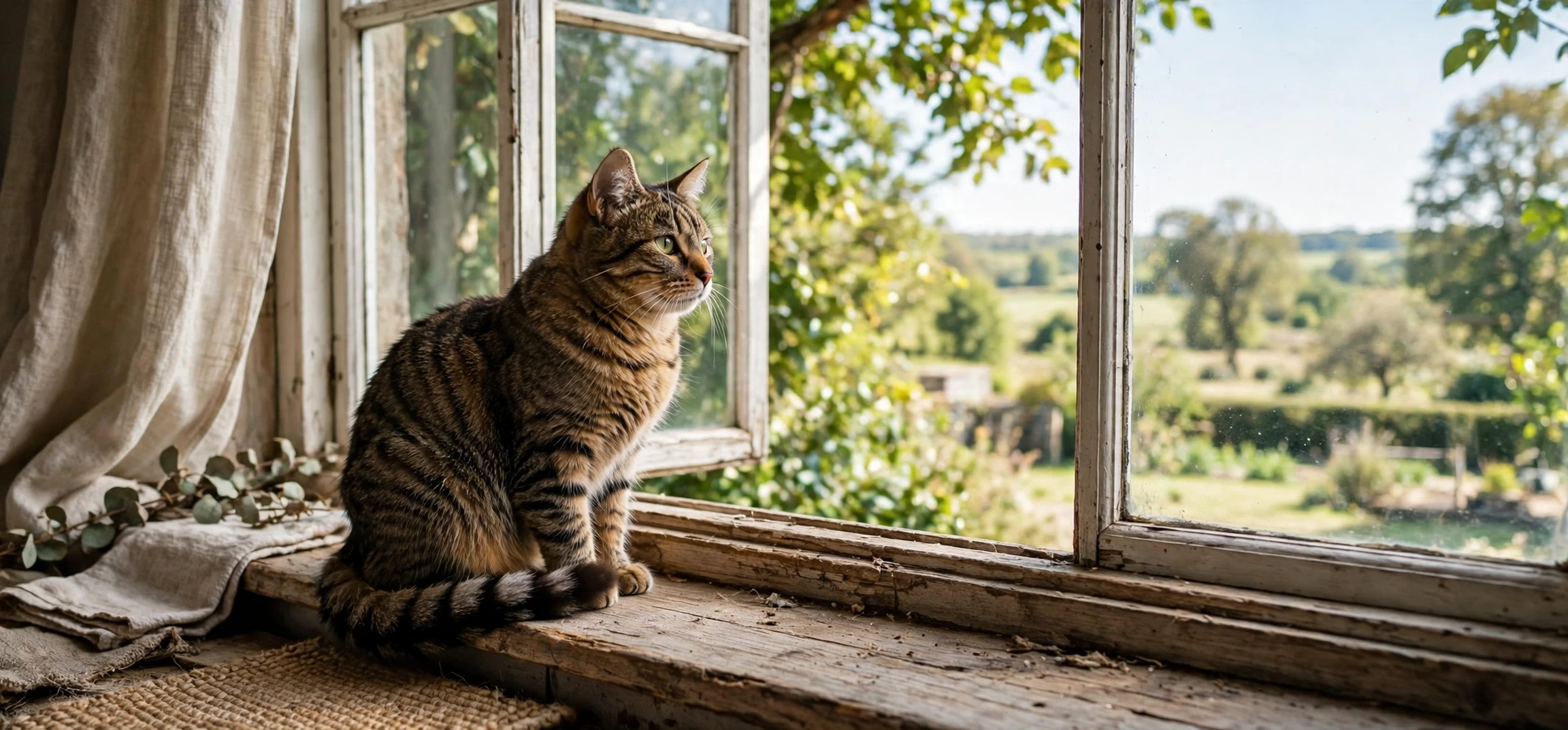
If you have ever paused mid-conversation with your cat and wondered how do cats meow, you are asking about one of the most familiar sounds in a pet-owning home. A meow is not a single, fixed noise. It is a flexible vocal signal that cats shape with pitch, length, volume, and rhythm, and adult cats use it far more with people than they do with other cats. Learning how do cats meow, and why the sound changes from one moment to the next, can help you respond calmly, spot a change that matters, and build a clearer daily routine with your pet.
Most owners wondering how do cats meow hear several kinds of meow in a single day. There is the short, bright greeting at the door, the longer, insistent call near the food bowl, the soft chirp during play, and the low, drawn-out sound that can mean frustration or discomfort. None of these sounds has one exact translation. Instead, each meow is a clue, and its meaning becomes clearer when you notice the time of day, the body language that goes with it, and what happened just before the sound began.
How Do Cats Meow? The Basics of the Sound
When people ask how do cats meow, they are usually asking about both the mechanics and the message. Physically, a meow is produced when air passes through the voice box, or larynx, and the vocal folds vibrate. The cat can tighten or relax those folds, open its mouth more or less, and change the airflow, which is why one cat can produce a tiny squeak and, minutes later, a loud, rolling call. Kittens begin vocalising very early, and their early sounds are mainly aimed at their mother, asking for warmth, food, or closeness.
Adult cats in the wild rarely meow at each other for long conversations. They use scent, posture, ear position, tail movement, and shorter sounds such as chirps and trills for cat-to-cat communication. Domestic cats, however, learn that people respond to meows. Over time, a cat that gets attention, food, play, or a door opened after meowing will keep using that sound, and will often refine it. This is why every household develops its own small meow vocabulary, and why a cat may sound quite different with one family member than with another.
That learning process also explains why meows vary so much between individual cats. Breed, age, personality, and life experience all play a part. Some cats are naturally chatty and will comment on almost everything, while others are quiet and reserve their voice for a few key moments. For anyone asking how do cats meow in a quiet household, a quiet cat is not necessarily unhappy, and a talkative cat is not necessarily demanding. The useful comparison is not with other cats, but with your own cat on a normal day.
How Do Cats Meow in Different Situations?
A greeting meow is usually short and rises slightly at the end, a little like a friendly hello. You may hear it when you come home, when a cat walks into the room, or when you speak to it first. A request meow tends to be longer and more repeated, and it often comes with movement toward something, such as the kitchen, a door, or a favourite toy. The cat is not being rude. It has simply learned that this sound, in this place, usually gets a result.
Play meows and chirps are often quicker and lighter. A cat watching birds through a window may make a chattering or chirping sound, which is quite different from a standard meow and is linked to excitement and focused attention. During play with a wand toy or a crinkled ball, a cat may give short bursts of sound between pounces. These sounds usually go with an alert posture, wide eyes, ears forward, and a body ready to move.
A lower, longer, or harsher meow deserves a closer look. It can mean frustration, such as a closed door or a toy stuck under furniture, or it can be a sign that the cat is unsure, tired, or uncomfortable. Older cats may vocalise more at night, and cats that are in pain, unwell, or confused may meow in a way that sounds different from their usual voice. A sudden change in how often, how loudly, or how urgently a cat meows is worth noting, and if it lasts more than a day or comes with changes in eating, drinking, toileting, or movement, a veterinary check is the sensible next step.
How Do Cats Meow as Kittens and as Adults?
Kittens meow to their mother from the first weeks of life. Those early meows are high-pitched and frequent, and they serve a clear purpose: to bring the mother closer, to signal hunger or cold, or to call for help when a kitten has wandered away. As kittens grow, they gradually rely less on meowing with each other and more on body language and scent, which is the pattern seen in adult cats living together.
With people, the pattern goes the other way. A pet cat keeps using meows into adulthood because people keep answering them. In effect, the cat and the owner train each other. The owner learns which sound means the food bowl is empty, which one means the cat wants to go outside, and which one is simply a greeting. The cat learns which sounds work fastest and which ones are ignored. This shared history is why a new owner may find a rescue cat hard to read at first, and why the same cat becomes much easier to understand after a few weeks at home.
Senior cats add another layer. Hearing, eyesight, and memory can change with age, and some older cats become more vocal, especially at night or when they wake in a dark room. They may meow because they are briefly disoriented, because they want reassurance, or because a routine has changed. Keeping lights low but visible, keeping food, water, and litter in familiar places, and keeping a steady bedtime routine can reduce night-time calling. If night vocalisation starts suddenly or becomes intense, it is worth discussing with a vet rather than assuming it is simply old age.
Reading a Meow Together With Body Language
A meow on its own tells only part of the story. The ears, tail, eyes, and posture fill in the rest. A cat with ears forward, a tail held high with a slight curve, and a relaxed body is usually greeting you or asking for something in a positive frame of mind. A cat with flattened ears, a puffed tail, dilated pupils, and a low crouch is more likely to be frightened or overstimulated, and the meow that goes with that posture may be a warning to give it space.
Slow blinks, a loose body, and a gentle head-butt after a meow often point to affection and comfort. Kneading, purring alongside meowing, and rubbing against furniture or legs are also signs of a settled cat. By contrast, restlessness, pacing, hiding, or a sudden refusal to eat alongside unusual meowing can point to stress or illness. Owners do not need to memorise a long chart. Noticing two or three signals at once, rather than the sound alone, is usually enough to make a better guess.
Context matters just as much. A meow at the usual feeding time is very different from a meow at three in the morning, and a meow beside an empty water bowl is different from a meow beside a closed bedroom door. Keeping a simple note for a few days, such as the time, the place, and what the cat seemed to want, can reveal patterns quickly. Many owners discover that a so-called random meow is actually tied to a very regular trigger, such as a neighbour’s dog passing the window or a feeding time that has drifted later.
How to Respond When Your Cat Meows
The most helpful response is calm and consistent. If the meow is a greeting, a brief reply, a stroke, or a few words back is often enough. Cats do not need a long conversation, but many enjoy the back-and-forth, and answering a greeting can strengthen the bond. If the meow is a request, check the obvious needs first: fresh water, food if it is mealtime, a clean litter tray, and access to a resting place. Meeting a genuine need promptly teaches the cat that it does not need to escalate to louder or longer calls.
For attention-seeking meows, consistency matters more than any single trick. If a cat learns that meowing at night always brings play or food, night meowing will usually continue. A steadier approach is to give plenty of play, attention, and enrichment during the day, especially in the evening, and then to keep night-time responses brief and boring. Interactive play before bedtime, followed by a small meal if that fits the cat’s feeding plan, often helps a cat settle. Puzzle feeders, scratching posts, window perches, and rotating toys can also reduce boredom-based vocalising during the day.
It is important not to punish a cat for meowing. Shouting, spraying water, or locking a cat away can increase stress and may make the vocalising worse, or push it into hiding and other stress behaviours. If a meow is loud, frequent, or distressing, the kinder step is to look for the cause: pain, hunger, thirst, a dirty litter tray, a change in the home, a new pet, or a medical issue. A vet can rule out health problems, and then the owner can work on routine, enrichment, and reassurance with a clearer picture.
When a Change in Meowing Needs Attention
Most meows are normal, everyday communication. A few changes, however, are worth taking seriously. A cat that suddenly becomes silent after being chatty, a cat whose voice becomes hoarse or strained, or a cat that cries out when moving, eating, or using the litter tray may need veterinary attention. The same applies to meowing combined with vomiting, diarrhoea, loss of appetite, increased thirst, weight loss, limping, or hiding for long periods.
Breeding, unneutered cats can also vocalise loudly for other reasons. An unspayed female in season may call repeatedly, roll, and show restlessness, and an unneutered male may yowl and spray. These behaviours are driven by hormones rather than by a request for food or attention, and neutering, discussed with a vet, is the usual long-term approach for pet cats that are not part of a breeding programme.
For most households, though, the story is simpler and happier. A cat meows because it has learned that people listen. That is a sign of a social bond, not a fault in the cat. When owners learn to listen back, checking needs, reading body language, and keeping routines steady, the meowing usually becomes easier to live with and easier to enjoy. The sound that once seemed mysterious becomes a familiar part of the day, a small, daily conversation between a cat and the people it trusts.
How Do Cats Meow? Questions Owners Ask Most
How do cats meow when they want food? Usually with a longer, repeated call near the kitchen or the bowl, often combined with walking toward the place where food is kept. How do cats meow when they want attention? Often with a shorter, softer call, followed by rubbing, head-butting, or settling nearby. The difference is subtle, but once you notice the place and the timing, the pattern becomes clear.
How do cats meow at night, and should you worry? Night calls can mean hunger, boredom, or a need for reassurance, especially in older cats. If you are asking how do cats meow differently at night, compare the night sound with the daytime sound: a similar voice at a different hour usually points to routine, while a new, strained, or distressed voice points to a check with a vet.
Finally, how do cats meow as they grow older? Kittens meow often and at a high pitch, adult cats meow mainly to people, and senior cats may meow more when they wake confused or want company. Learning how do cats meow at each life stage helps you respond with patience instead of frustration, and keeps the daily conversation between you and your cat a pleasant one.
Quick Reference Table
| Topic | What to know |
|---|---|
| Short greeting meow | Usually a hello; ears forward, tail up, relaxed body. |
| Long request meow | Often tied to food, a door, or attention; check needs first. |
| Chirp or chatter | Excitement, often while watching birds or during play. |
| Low or harsh meow | Frustration, uncertainty, or discomfort; look at context. |
| Sudden change in meowing | Note eating, drinking, toileting, and movement; seek vet advice if it persists. |
Related Guides
For more background, see our guide on Gargamel’s cat name guide. For more background, see our guide on Alice in Wonderland cat name guide. For more background, see our guide on Names for tan coloured dogs.
Frequently Asked Questions
How do cats meow at each other, if at all?
Adult cats rarely hold long meow conversations with each other. They use body language, scent, and shorter sounds such as chirps and trills, and they save most meowing for communication with people.
How do cats meow at night, and why does it happen?
Night meowing can come from boredom, hunger, a changed routine, or, in older cats, brief disorientation. Evening play and a steady routine help, and a sudden or intense change is worth a veterinary check.
Can I teach my cat to meow less?
You cannot remove meowing entirely, and you should not try to punish it. You can reduce demand meowing by meeting needs promptly, enriching the day, and keeping responses to night-time calls brief and consistent.
Is a very talkative cat normal?
Yes, for many cats. Some individuals are naturally chatty. The key comparison is your own cat on a normal day, not how talkative another cat happens to be.
Conclusion
So, how do cats meow, and what should you do with that knowledge? They meow by shaping air through the voice box into a flexible, learned signal, and they use that signal mainly with people. The sound changes with greeting, request, play, frustration, and age, and its meaning becomes clear when you read it with body language and context. Respond to genuine needs, keep routines steady, enrich the day, and treat sudden changes as a prompt to check health. Do that, and the meow stops being a puzzle and becomes what it was always meant to be: your cat talking to you, in the only language it knows you will answer.