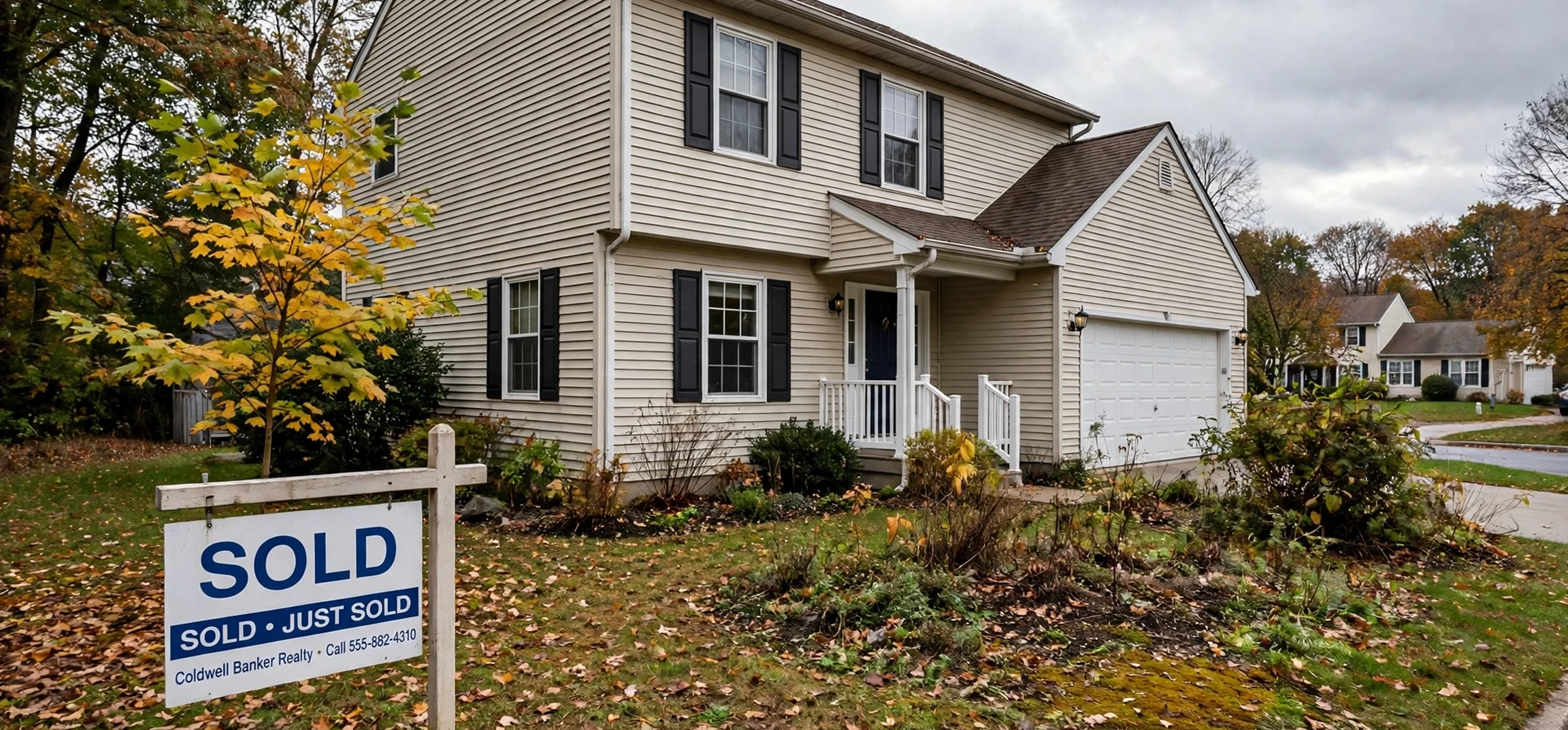
If you have been browsing homes for sale, you have probably come across a listing marked pending and wondered what it means for your search. In simple terms, real estate pending means that a seller has accepted an offer from a buyer and the sale is now moving through the steps that must happen before it can close. The home is no longer being marketed as fully available, but the sale is not yet final. That middle stage is important to understand, because real estate pending can look like a closed deal from the outside while several conditions still need to be satisfied inside the transaction.
This guide explains real estate pending in plain language. It covers what the status means, how it differs from similar labels such as active, contingent, and under contract, what usually happens while a home is pending, and what buyers and sellers can and cannot do during that period. This article is general education only. It is not legal advice and it is not financial advice, and the exact rules, forms, and timelines can vary by location and by the contract used. If you are buying or selling a home, a qualified local agent or lawyer can explain how the rules apply to your situation.
What Real Estate Pending Means in Plain Language
When a listing changes to real estate pending, it usually means that the buyer and seller have agreed on the main terms of the sale, including the price, and have signed a purchase agreement. The transaction has moved from the marketing stage into the closing stage. During that stage, the buyer may still need to complete a home inspection, secure financing, obtain an appraisal, and review documents, while the seller may need to complete agreed repairs or provide disclosures. Until those steps are finished and the closing takes place, the sale can still change course.
That is why real estate pending should not be read as sold. A sold home has completed its closing, with ownership transferred and the sale recorded. A pending home is on the way to that outcome, but it has not arrived yet. For house hunters, this distinction matters. A pending listing is not a reliable option to pursue as a first choice, but it is also not always a complete dead end, as explained later in this guide. For sellers, the pending stage is a time of careful follow-through, because delays or failed conditions can return a home to the market.
It is also worth noting that listing platforms and local listing systems do not all use the word pending in exactly the same way. Some systems distinguish between pending with contingencies and pending with no contingencies, while others use a single pending label for both. Some agents add notes about whether backup offers are welcome, and others do not. Because of that variation, the label alone is only a starting point. The details in the listing, and any information your agent can obtain, give a fuller picture than the status word on its own.
Real Estate Pending Compared With Contingent and Under Contract
Buyers often confuse real estate pending with two nearby labels: contingent and under contract. Although the terms overlap, they describe different points in a transaction. A contingent listing usually means that an offer has been accepted but the sale still depends on one or more stated conditions, such as the buyer selling an existing home, obtaining financing, or completing an inspection. Showings may still continue in some cases, and the seller may still accept backup offers, depending on local practice.
Real estate pending, by contrast, often signals that the main contingencies have been satisfied or removed, or that the transaction is further along and closer to closing. In some systems, however, pending is used more broadly to cover any accepted offer that has not yet closed, whether or not contingencies remain. That is why two pending listings in different areas can mean slightly different things. The safest approach is to ask what contingencies, if any, remain, and what steps are left before closing.
The phrase under contract is another source of confusion. In many markets, under contract simply means that a buyer and seller have a signed agreement, which is also true of a pending home. Some agents use under contract for the earlier part of the process and pending for the later part, while others treat the two phrases as interchangeable. Rather than trying to memorise a single national definition, focus on the practical questions: has an offer been accepted, what conditions remain, is the home still being shown, and are backup offers being considered.
| Listing status | What it usually means | What it means for a new buyer |
|---|---|---|
| Active | The home is for sale and no offer has been accepted yet. | You can usually view the home and make an offer. |
| Contingent | An offer has been accepted but key conditions remain. | Backup offers may be possible, depending on local rules. |
| Real estate pending | An accepted offer is moving toward closing. | The home is largely off the market, but a backup offer may still be noted. |
| Sold or closed | The sale has completed and ownership has transferred. | The home is no longer available to buy. |
What Usually Happens While a Home Is in Real Estate Pending
Once a home enters real estate pending, a sequence of steps begins. The exact order varies, but the broad pattern is similar in many transactions. First, the buyer typically completes inspections within the period set out in the contract. A general home inspection may be followed by specialist checks if an issue is found. If the contract allows it, the buyer may ask for repairs, a price adjustment, or a credit, and the seller may agree, negotiate, or decline. This stage is one of the most common reasons a pending sale is delayed or renegotiated.
Next, financing and appraisal usually move forward. A buyer using a mortgage will work with a lender to complete underwriting, which involves verifying income, debts, and other financial details, and confirming that the property meets the lender’s requirements. An appraisal is normally ordered to provide an independent opinion of value. If the appraisal comes in below the agreed price, the buyer and seller may need to renegotiate, the buyer may need to cover the difference in cash if allowed, or the transaction may be at risk. These are practical, not legal, points, and the contract terms decide which options are available.
At the same time, title work and closing preparations take place. A title search checks the ownership history and looks for liens or other claims that could affect the transfer. Insurance, closing disclosures, and final figures are prepared. The buyer usually does a final walk-through near closing to confirm that the property is in the expected condition and that agreed repairs have been made. Only when all of these steps are complete, and the closing documents are signed and funds are transferred, does a pending sale become a closed sale.
Can You Still Buy a Home That Is in Real Estate Pending?
The short answer is that it depends, and patience is usually required. In many cases, a seller with a pending sale will not consider new primary offers, because they already have a signed agreement. Some sellers, however, are willing to accept a backup offer. A backup offer is an offer that sits behind the first agreement: if the first sale falls through, the backup offer may move into first position, subject to its own terms. Whether backup offers are welcome depends on the seller, the agent, and local practice, and it should always be confirmed rather than assumed.
If you are interested in a home that is in real estate pending, the most useful step is to tell your agent and ask them to check the position with the listing agent. Useful questions include whether backup offers are being accepted, whether showings are still taking place, and what stage the current transaction has reached. If backup offers are not welcome, the best move is usually to keep searching and to set up alerts for similar homes, rather than waiting on a single pending listing. If a backup position is available, make sure you understand the terms clearly, including how long your offer remains in place and what happens if the first sale closes.
There is also a simple reason not to pin all your hopes on a pending home: many pending sales do close. While some do fall through because of inspection, appraisal, financing, or title issues, most transactions that reach the pending stage are intended to complete. A backup offer can therefore be a sensible extra option, but it works best alongside an active search for other homes, not instead of one. Keeping your search moving protects you from losing time if the pending sale goes ahead as planned.
Why Some Real Estate Pending Sales Fall Through
A pending sale can fail for several ordinary reasons, and understanding them helps both buyers and sellers set realistic expectations. Financing is one common cause. A buyer may be pre-approved but not fully approved, and underwriting can uncover issues that change the lender’s decision. An appraisal that comes in below the sale price can also create a gap that neither side is willing or able to close. Inspection findings are another frequent cause, especially when a major repair is needed and the parties cannot agree on who should pay for it.
Title problems, although less common, can also delay or prevent a closing. An unresolved lien, a boundary question, or a missing document in the ownership history may need to be cleared before the sale can proceed. In some cases, the delay is short and the sale still closes. In other cases, the problem is serious enough that the parties decide not to continue. Personal circumstances can also play a part: a buyer may need to withdraw for reasons covered by the contract, or a seller may face a change that affects the transaction. Contracts normally set out which of these situations allow a party to step back and what happens to any deposit, which is why reading the contract carefully matters.
When a pending sale falls through, the home usually returns to active status and is marketed again. For a buyer who had a backup offer in place, this can be an opportunity. For the seller, it means restarting showings and negotiations, which can be frustrating but is a normal part of the market. For other buyers watching the listing, a home returning from pending to active is worth a fresh look, although it is also worth asking, through an agent, whether any inspection or appraisal issue contributed to the earlier sale falling through.
Real Estate Pending: Practical Tips for Buyers and Sellers
For buyers whose own purchase is in real estate pending, the main task is to stay responsive and organised. Respond promptly to lender requests, keep financial documents ready, avoid large new debts or major financial changes during underwriting unless your lender advises otherwise, and attend inspections and the final walk-through as planned. Small delays in paperwork can become larger delays in closing, so keeping communication open with your agent and lender is one of the most practical things you can do.
For sellers, the pending period is a time to keep the home in the condition promised in the contract and to complete any agreed repairs on time, with receipts or evidence where appropriate. Clear communication helps here too: if a repair will take longer than expected, telling the buyer early through the agents gives everyone time to adjust. Sellers should also think carefully before accepting or rejecting a backup offer, weighing the benefit of a safety net against any complexity it adds to the transaction. Your agent can explain how backup offers are handled in your area.
For buyers who are still searching, a pending listing can still teach you something useful. It shows what kinds of homes are attracting offers, at what price levels, and how quickly homes in a given area move from active to pending. You can learn more about the market by reading guides to property searches by address, by checking county property search options, and by understanding how homeowners insurance by address is looked up before you make an offer. Those research steps will not change a pending status, but they will help you act faster and with more confidence when the next suitable home appears.
Real Estate Pending: Frequently Asked Questions
Does real estate pending mean the house is sold?
No. Real estate pending means an offer has been accepted and the sale is in progress, but the closing has not yet happened. The home is only sold once the closing is complete and ownership has transferred.
How long does real estate pending usually last?
The pending period varies widely, often lasting a few weeks, depending on inspections, financing, appraisal, title work, and local practice. Some transactions close quickly, while others take longer because a condition needs extra time to resolve.
Can a seller accept another offer while a home is pending?
A seller with a signed agreement normally cannot accept a second primary offer for the same home, but some sellers will accept a backup offer that only takes effect if the first sale falls through. Whether this is possible depends on the contract and local practice.
Can a buyer back out during real estate pending?
That depends on the contract and the reason. Many contracts include contingency periods that allow a buyer to withdraw in defined circumstances. Outside those circumstances, withdrawing may have financial consequences, so the contract terms and professional advice matter.
What should I do if a home I like goes pending?
Ask your agent whether backup offers are welcome, keep searching for similar homes, and set up alerts so you hear quickly if the home returns to the market or a similar home is listed.
Conclusion
Real estate pending is best understood as a home in transition. An offer has been accepted, the main terms have been agreed, and the buyer and seller are working through inspections, financing, appraisal, title checks, and closing preparations. The home is largely off the market, but the sale is not final until closing is complete. For buyers, that means a pending home is not a reliable first choice, although a backup offer may be worth exploring where it is welcome. For sellers, it means careful follow-through until the keys change hands. If you keep that simple picture in mind, and ask about the remaining steps rather than relying on the label alone, you will read every pending listing with far more confidence.