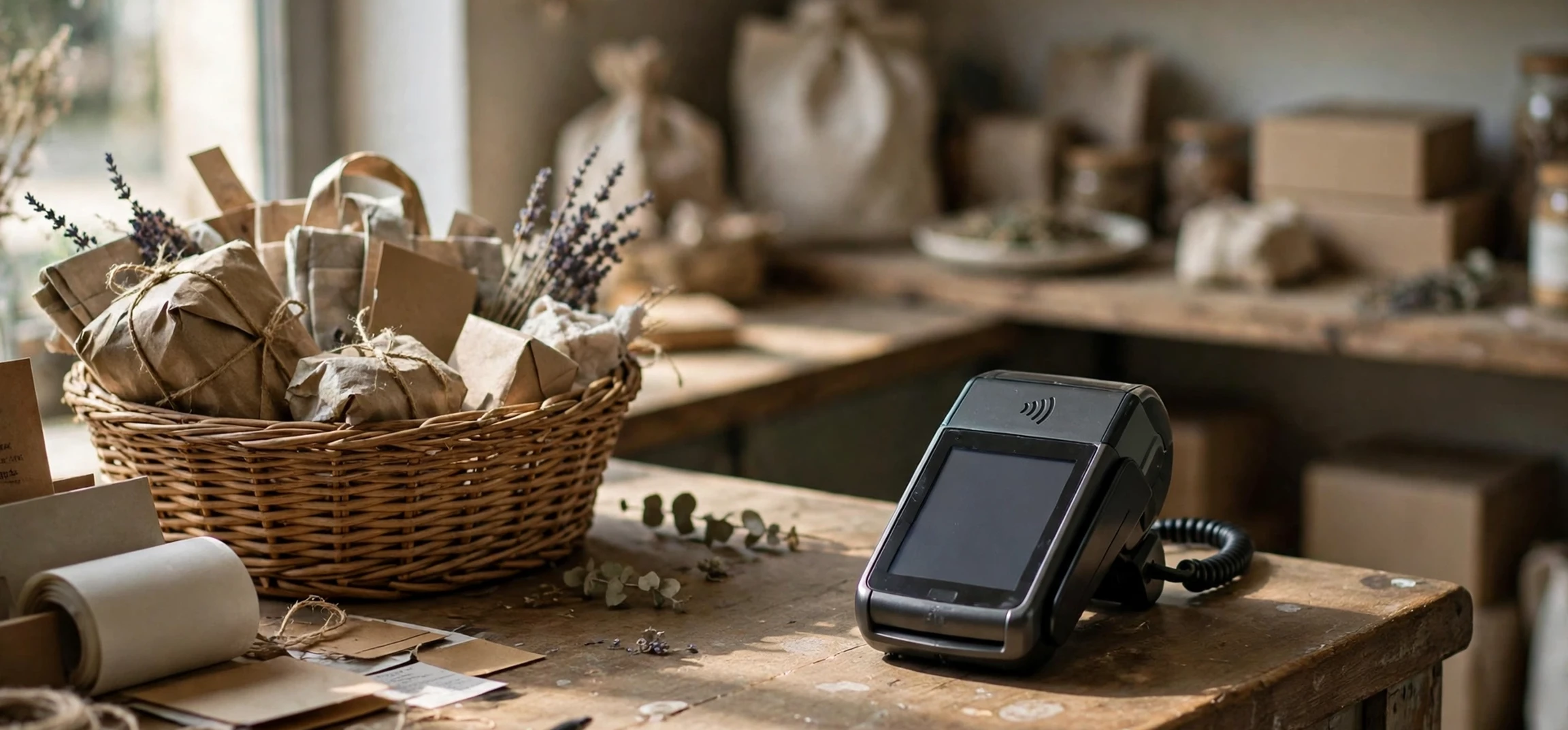
If you searched for “domestic pos means”, you are most likely trying to untangle a short phrase that combines two separate ideas: “domestic”, meaning within one country, and “POS”, which in business and retail stands for “point of sale”. Put together, the phrase usually points to a point-of-sale system, terminal, or transaction that operates within a single country rather than across borders. This guide explains what each part means, how domestic point-of-sale systems work, and why the distinction between domestic and international processing matters for shop owners, staff, and customers alike.
Point-of-sale technology sits at the heart of almost every modern shop, café, restaurant, and service business. It is the place where a sale is completed, whether that happens at a till in a high-street shop, on a tablet carried by a waiter, or through a card reader attached to a market stall. Understanding the phrase properly helps you read product descriptions, compare payment providers, and avoid confusion with the many other meanings that the letters POS can carry in different fields.
What “Domestic POS Means” in Plain English
When someone asks what “domestic pos means”, the simplest answer is this: it describes a point of sale that is domestic, meaning local to one country. A domestic POS setup processes payments, issues receipts, and records sales under the rules, currency, and banking networks of that one country. A customer paying with a card issued by a bank in the same country, at a shop in that country, is making a domestic transaction, and the terminal handling it is part of a domestic POS arrangement.
The word “domestic” does a lot of work in this phrase. It signals that nothing crosses a border: the merchant, the customer, the currency, and the acquiring bank are all based in the same nation. That matters because cross-border payments often involve currency conversion, additional fees, and different fraud checks. A domestic setup avoids most of that complexity, which is one reason small businesses often start with a domestic provider before considering international sales.
It is also worth noting that “POS” itself has more than one meaning. In retail and hospitality, it almost always means point of sale. In other contexts, the same letters can stand for something entirely different, such as a piece of equipment or a term in computing. Context is therefore essential. If the phrase appears in a discussion of tills, card machines, or checkout software, point of sale is the intended meaning.
How a Domestic POS System Works Day to Day
A domestic POS system typically has two sides: the hardware the customer sees and the software that records and reports the sale. The hardware may include a touchscreen till, a barcode scanner, a receipt printer, a cash drawer, and a card reader. The software manages the product catalogue, applies prices and discounts, calculates tax, and sends the payment for authorisation. In a domestic arrangement, that authorisation travels through local banking networks, which usually makes approval fast and straightforward.
Consider a neighbourhood bakery. A customer orders a loaf and a coffee, and the assistant taps both items on the till screen. The system totals the order, adds the correct local tax treatment, and presents the amount due. The customer taps a card, the terminal checks with the local network, and within seconds the payment is approved. The system prints or emails a receipt, updates the stock count for both items, and adds the sale to the daily takings report. Every step happens within one country’s payment infrastructure.
Modern domestic POS software does far more than ring up sales. It tracks which products sell best, flags items running low, manages staff logins and permissions, and produces end-of-day and end-of-month reports. For a small business owner, those reports are often the most valuable part: they show peak trading hours, average transaction values, and seasonal patterns without any manual bookkeeping.
Hardware and Software Working Together
Hardware and software must be compatible, and domestic providers usually sell them as a matched set or certify particular combinations. A common setup pairs a tablet or dedicated terminal with a card reader and a receipt printer. Larger shops may add kitchen display screens, customer-facing displays, and handheld ordering devices. Cloud-based software has become popular because it lets owners check sales from anywhere, while still processing payments through domestic networks.
Offline capability is another practical feature worth checking. If the internet connection drops, some systems queue card payments and complete them once connectivity returns, while others require a live connection for every transaction. For a busy shop, knowing how the system behaves during an outage can prevent lost sales and long queues.
Why “Domestic POS Means” Matters for Businesses
Understanding what “domestic pos means” matters because the choice between a domestic and an international setup affects cost, speed, and compliance. Domestic transactions generally attract lower processing fees than cross-border ones, since no currency conversion is involved and fewer intermediaries take a share. Settlement is usually quicker too, with funds often reaching the merchant’s account within one or two working days under local banking arrangements.
Compliance is another factor. Tax rules, receipt requirements, and consumer protection law vary by country, and a domestic POS provider builds those local rules into its software. That includes the correct handling of local sales tax, the format of receipts, and the storage of transaction records for accounting and audit purposes. A provider that understands the local market reduces the risk of accidental non-compliance.
Customer experience also improves with a domestic setup. Customers see prices in their own currency, pay with familiar local payment methods, and deal with support teams that understand local banking quirks. For businesses whose customers are overwhelmingly local, that familiarity is a genuine advantage.
Domestic POS Compared With International POS
The table below summarises the main differences between a domestic point-of-sale arrangement and one designed for international trade. Most businesses will recognise their own situation quickly from this comparison.
| Feature | Domestic POS | International POS |
|---|---|---|
| Currency | Single local currency | Multiple currencies with conversion |
| Processing fees | Usually lower, no conversion charge | Often higher, conversion may apply |
| Settlement speed | Typically fast through local networks | Can take longer across borders |
| Tax and receipts | Built for one country’s rules | Must handle several tax regimes |
| Best suited to | Local shops, cafés, and services | Online stores selling worldwide |
Some businesses need both. A shop that sells in-store to local customers and online to overseas buyers may run a domestic POS at the till and a separate international payment gateway on its website. Keeping the two arrangements distinct makes reporting cleaner and helps the owner see exactly where each sale came from.
Choosing a Domestic POS Provider
Choosing a provider starts with the basics: what will it cost each month, what percentage or flat fee applies to each transaction, and what hardware is required. Read the fee schedule carefully, because headline rates sometimes exclude charges for particular card types or for features such as invoicing and reporting. Ask whether the provider supports the payment methods your customers actually use, including contactless cards, mobile wallets, and any popular local payment schemes.
Support quality deserves equal weight. A till problem during a Saturday rush is urgent, so check what hours support is available and how quickly issues are typically resolved. Trial periods and month-to-month contracts reduce risk, letting you test the system with real customers before committing long term. Finally, confirm that the provider can export your sales data, so you are not locked in if you later switch systems.
For readers who enjoy untangling everyday phrases, our guide to what wholesale means covers another common business term, and our look at slang meanings shows how the same word can shift meaning across contexts, just as POS does.
Frequently Asked Questions About “Domestic POS Means”
What does POS stand for?
In retail, hospitality, and business, POS stands for point of sale: the place and system where a customer completes a purchase. It covers both the physical till and the software behind it.
What makes a POS transaction domestic?
A transaction is domestic when the merchant, the customer, the card-issuing bank, and the currency are all based in the same country, so no cross-border processing or currency conversion is involved.
Is a domestic POS cheaper than an international one?
Usually, yes. Domestic transactions avoid currency conversion fees and cross-border charges, though exact costs depend on the provider, the card type, and the monthly plan.
Does a small business need a domestic POS system?
Any business that takes card payments in person benefits from one, even a market stall or a mobile service. Modern systems are available at a range of prices, including options designed for very small traders.
Conclusion
It also helps to know the difference between a card-present domestic transaction, where the customer and the terminal are in the same shop, and a card-not-present one, such as a phone or online order paid through a domestic gateway. Both can be domestic in the sense used here, but they carry different fraud checks and fee structures, so a provider’s quote should always say which types of transaction it covers. Asking that question early avoids surprises when the first monthly statement arrives.
In short, when you see the phrase “domestic pos means”, think of a point-of-sale system operating within a single country: local currency, local banking networks, and local rules. It is the everyday machinery behind the till, quietly recording sales, managing stock, and moving money from customer to merchant. Whether you are choosing a system for your own shop or simply trying to understand a term you came across, that domestic framing is the key to the whole phrase. Start with your own needs, compare providers on total cost and support rather than headline rates alone, and you will end up with a setup that fits the way your business actually trades.



