If you have ever wondered what is wikimedia commons, the simple answer is that it is a large, free online library of images, sounds, videos, and other media files that anyone can use, share, and build upon, provided they follow the licence attached to each file. It is run by the Wikimedia Foundation, the same non-profit organisation behind Wikipedia, and it serves as a shared media store for Wikipedia and many other projects. Instead of each language edition of Wikipedia uploading its own copy of the same photograph, editors upload the file once to Wikimedia Commons, and then articles in many languages can use it. That shared approach is the key idea behind the whole project.
The word Commons itself is important. In this context, a commons is a shared resource that belongs to a community and is managed for everyone’s benefit, rather than owned by a single person or company. Wikimedia Commons applies that idea to media: volunteers contribute photographs, diagrams, maps, recordings, and films, and the collection grows because people around the world add material they have created or that is already free for public use. The result is one of the largest freely licensed media collections on the internet, covering history, science, geography, art, everyday life, and current events.
Understanding what is wikimedia commons also means understanding what it is not. It is not a general photo-sharing site for private snapshots, it is not a stock photo shop, and it is not a place to upload copyrighted material found elsewhere on the internet. Every file is expected to have a clear educational or informational purpose and a licence that allows reuse. That discipline is what makes the collection trustworthy for teachers, students, journalists, researchers, and creators who need media they can legally reuse.
what is wikimedia commons and How It Works
At its heart, what is wikimedia commons comes down to three parts: contributors, files, and licences. Contributors are volunteers, institutions, photographers, museums, archives, and everyday users who upload media they have the right to share. Files are the individual items in the collection, each with its own page showing a description, the author, the date, the source, and the licence. Licences are the legal terms that explain what others may do with the file, such as whether they must credit the author, whether they may change it, and whether they may use it commercially.
When a file is uploaded, the uploader chooses or confirms a licence, adds a description, and adds categories so others can find it. Categories work like folders and tags combined: a photograph of a lighthouse might sit in categories for lighthouses, coastal structures, and the country where it stands. Search tools and category browsing then help users discover related files. Many files also carry structured information, such as the location where a photograph was taken or the subject it depicts, which makes the collection easier to search across languages.
Wikipedia editors are major users of the collection, but they are far from the only ones. Teachers use diagrams in lessons, bloggers illustrate articles, app developers use icons and maps, and researchers use historical photographs and scientific images. Because the files are freely licensed, reuse does not usually require asking permission first, as long as the licence terms are followed. That freedom is powerful, but it comes with responsibility: the reuser must check the licence on the file page and follow it, rather than assuming every file has identical terms.
what is wikimedia commons Licences Explained
Licences are the most important detail for anyone who wants to reuse material, so they deserve careful attention. Many files on Wikimedia Commons are released under Creative Commons licences, which allow reuse with conditions such as attribution, meaning credit must be given to the author in the way the licence requires. Some licences also require that adapted works be shared under the same or a compatible licence. Other files are in the public domain, meaning copyright has expired or the author has waived rights, so they can be used with fewer restrictions, although good practice still favours giving credit where the source is known.
It is essential to check each file individually. Two photographs of the same landmark may carry different licences because they were taken by different photographers who chose different terms. A diagram created by one contributor may allow commercial reuse, while a similar diagram by another may not. The file page is the authoritative source: it states the licence, the author, and any additional notes. If a licence is unclear, or if a file appears to be copyrighted material uploaded without permission, it is better not to use it and to look for an alternative file with clear terms.
Attribution deserves a practical note. Giving credit is not just polite; for many licences it is a legal requirement. A good attribution usually names the author, names the work or links to the file page, and names the licence. When reusing a file in a presentation, article, or video, place the credit where readers or viewers can find it, such as in a caption, a credits slide, or a sources section. If you adapt a file, for example by cropping a photograph or translating a diagram, say so, because some licences require changes to be noted. Taking a minute to get attribution right protects both the reuser and the contributor who shared the work freely.
What Can You Find on Wikimedia Commons
The range of material is remarkably broad. Historical collections include portraits, street scenes, posters, maps, and documents that help bring the past to life. Science collections include diagrams of anatomy, charts of the solar system, photographs of species, and illustrations of experiments. Geography collections include maps, satellite views, and photographs of landscapes, cities, and landmarks from almost every country. Everyday life collections include photographs of food, transport, festivals, crafts, and workplaces, contributed by people documenting their own communities.
Audio and video add another dimension. The collection includes spoken versions of texts, recordings of music in the public domain, sounds of nature and machinery, and short films and animations that explain concepts visually. These files are useful for language learners, educators, and creators who need more than still images. Quality varies, as with any volunteer collection, but well-curated categories, featured pictures, and community review processes help surface strong material. Featured pictures, in particular, are selected by the community as examples of high technical and educational quality.
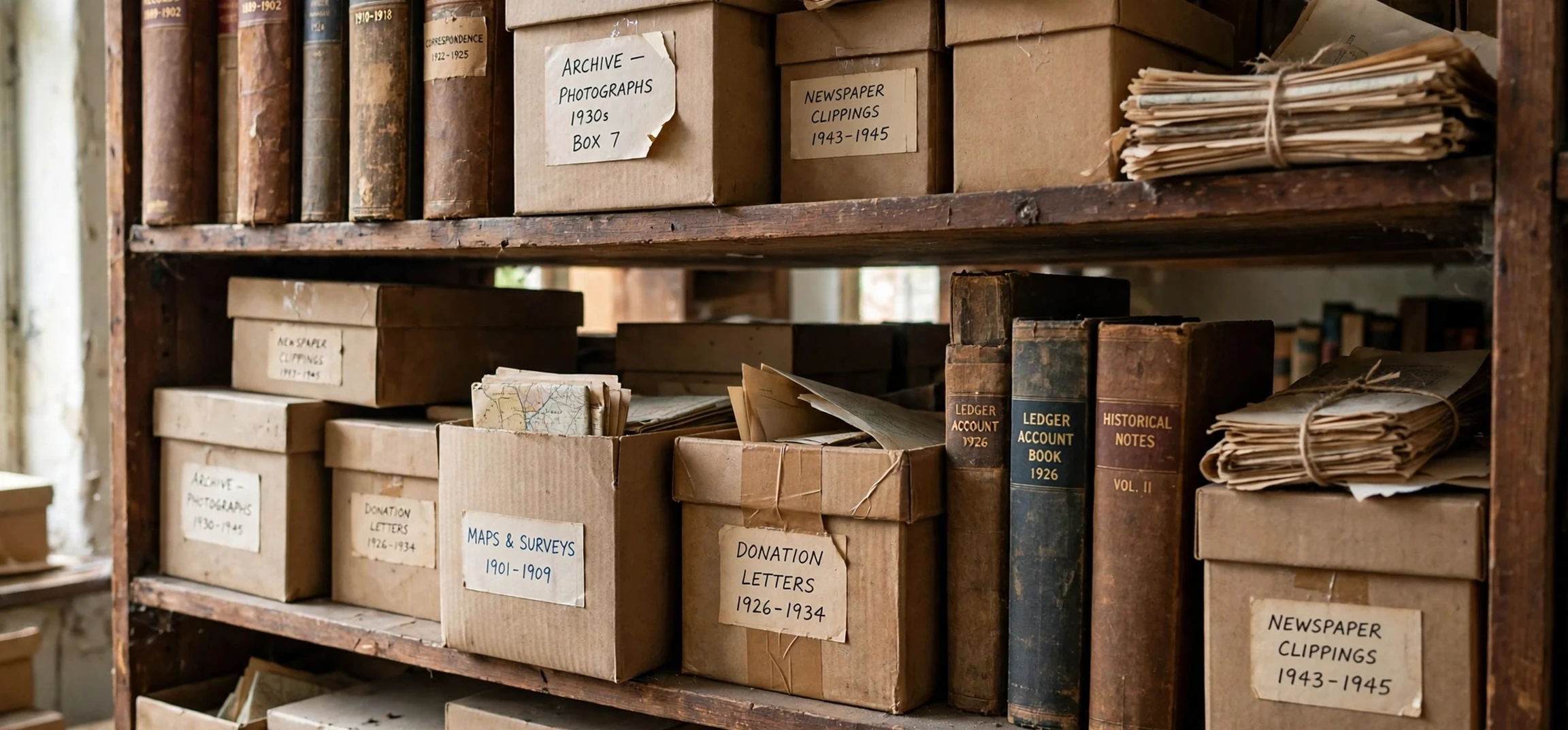
Institutions also contribute. Museums, libraries, archives, and government agencies have released photographs, scans, and recordings under free licences, making cultural heritage more accessible than ever before. A researcher studying a historical event can often find primary visual sources without travelling to an archive, and a teacher can show students a high-resolution scan of a manuscript or artwork that would otherwise sit behind a paywall or a travel barrier. That institutional contribution is one reason the collection keeps growing in both size and scholarly value.
How to Use and Contribute
Using Wikimedia Commons starts with searching well. Begin with a specific search term, then refine by category, file type, or topic. If a search returns too many results, add a more precise word, such as a place name or a scientific term. If it returns too few, try a broader term or a synonym, and browse the categories on a relevant file page to discover related material. Always open the file page before reusing a file, to confirm the licence, the author, and the description, and to download the resolution you need.
Contributing is open to anyone who has media they have the right to share, but it helps to learn the basic rules first. Upload only material you created yourself, material in the public domain, or material released under a free licence that is compatible with the project. Add a clear description, the correct date and source, and useful categories. Avoid uploading private photographs with no educational value, promotional material, or copyrighted images found through a web search. New contributors often benefit from starting with a small number of well-described uploads and learning from community feedback.
Community review is part of how quality is maintained. Volunteers patrol new uploads, check licences, suggest better categories, and nominate outstanding files for featured status. Files that break the rules, such as copyrighted material or material with no educational purpose, may be flagged for discussion and removal. That process can feel strict to a newcomer, but it is what keeps the collection legally reusable and educationally useful. Reading the upload guidance and looking at well-described example files before a first upload makes the experience much smoother. For related background on collaborative reference projects, see this guide to wiki-based reference work and this overview of a wiki topic guide.
| Question | Answer in brief | Where to check |
|---|---|---|
| Can I use a file for free? | Usually yes, if you follow its licence | The licence on the file page |
| Must I credit the author? | Often yes, depending on the licence | The attribution requirement on the file page |
| Can I change a file? | Often yes, if the licence allows adaptation | The licence terms and adaptation notes |
| Can I use it commercially? | Only if that file licence allows it | The licence on that specific file page |
| Is every file the same? | No, licences differ file by file | Each individual file page |
Common Questions About Wikimedia Commons
Is Wikimedia Commons the same as Wikipedia?
No, although they are closely related. Wikipedia is an encyclopaedia of articles, while Wikimedia Commons is a media library. Wikipedia articles often display files hosted on Commons, but Commons itself is a separate project with its own uploads, categories, and community.
Do I need an account to use files?
No account is needed to view or download files for reuse under their licences. An account is needed to upload files, take part in community discussions, and use some contributor tools.
Can I upload any photograph I find online?
No. You may only upload material you have the right to share freely, such as your own work, public domain material, or material under a compatible free licence. Uploading someone else’s copyrighted photograph without permission is not allowed.
What makes a good file description?
A good description says what the file shows, where and when it was made, who made it, and why it is educationally useful. Clear categories and accurate licence information complete the picture for future users.
More Questions About what is wikimedia commons
What is wikimedia commons used for by teachers?
Teachers use the answer to what is wikimedia commons in lessons, presentations, and handouts, choosing diagrams, maps, and photographs they can legally reuse. Knowing what is wikimedia commons helps a teacher find material quickly and credit it correctly.
What is wikimedia commons used for by Wikipedia editors?
Wikipedia editors upload files once and reuse them across articles in many languages, which is the core reason what is wikimedia commons exists as a shared store. When editors understand what is wikimedia commons, they avoid duplicating the same file in many places.
Does what is wikimedia commons mean everything is free to use?
Almost, but with conditions. The files in what is wikimedia commons are freely licensed, yet each licence sets its own terms, so what is wikimedia commons does not mean ignoring attribution or commercial-use limits on a particular file.
What is wikimedia commons not suitable for?
It is not suitable for private snapshots, advertising, or copyrighted material found elsewhere online. A clear sense of what is wikimedia commons, as an educational media library, helps new contributors avoid uploads that will be removed.
How does what is wikimedia commons stay reliable?
Volunteers review uploads, check licences, improve categories, and discuss problem files. That community review is part of what is wikimedia commons, and it is why the collection remains legally reusable rather than a random image dump.
Can beginners contribute to what is wikimedia commons?
Yes, provided they upload only material they have the right to share and describe it clearly. Beginners who learn what is wikimedia commons before uploading, by reading the guidance and studying well-described files, usually have a smooth first contribution.
Conclusion
So, what is wikimedia commons in one sentence? It is a community-built, freely licensed library of media that powers Wikipedia and serves teachers, creators, researchers, and curious readers around the world. Its strength lies not only in its size, but in its discipline: every file carries a description, an author, and a licence, so reuse is possible without guessing about rights. Whether you are searching for a historical photograph, a scientific diagram, a map, or a sound recording, the habit to build is simple: search carefully, open the file page, check the licence, and give credit where it is required. Used that way, Wikimedia Commons is more than a picture archive. It is a working example of how shared knowledge, contributed freely and managed carefully, can become a resource that belongs, in a real sense, to everyone who uses it responsibly.