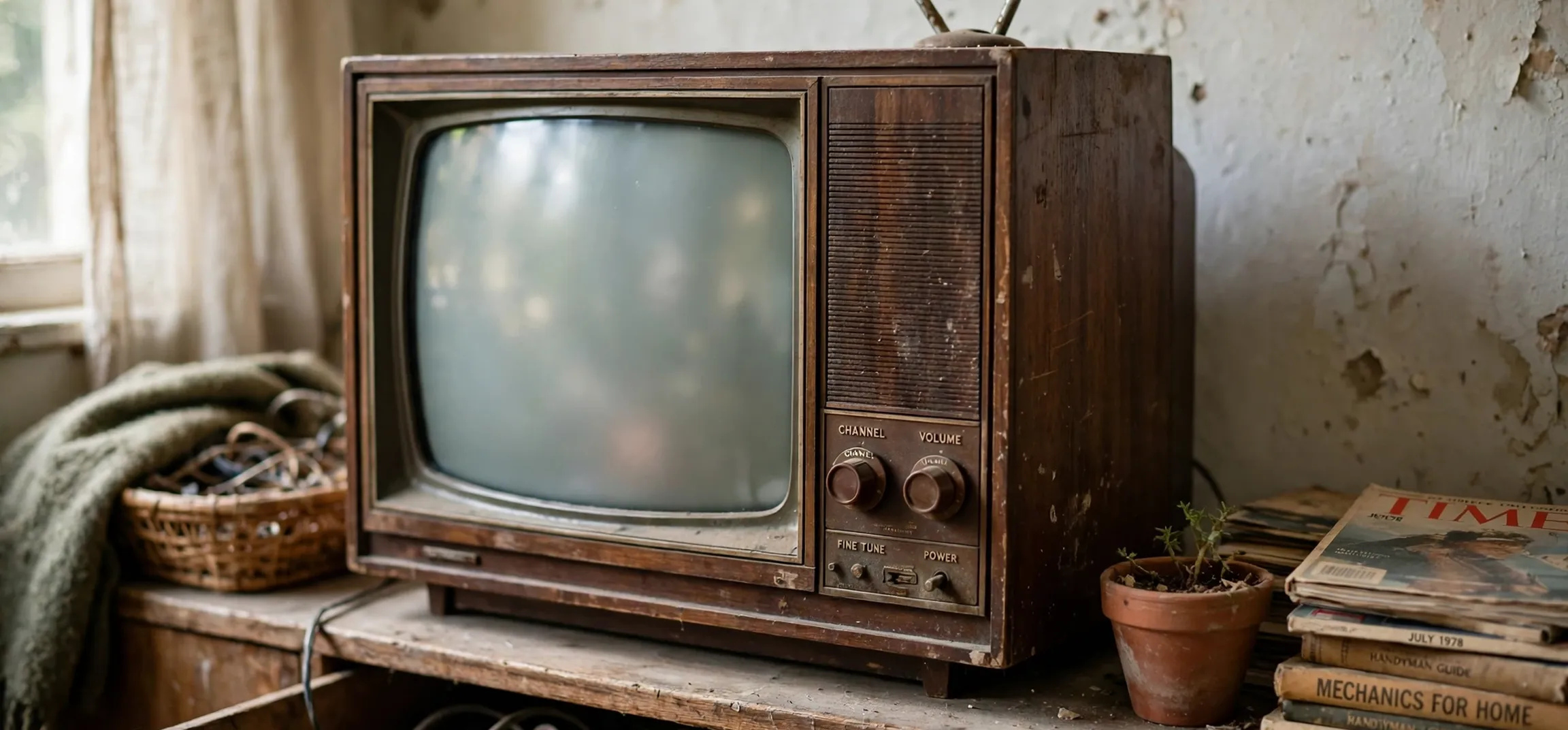
If you grew up with Saturday morning television, or you have discovered it through reruns and family stories, cartoons of the 60’s and 70’s probably feel like a world of their own: bold colours, jazzy theme tunes, and heroes who solved mysteries, escaped villains, and raced against the clock before the credits rolled. This guide to cartoons of the 60’s and 70’s celebrates that era properly, with a special focus on the suspense and adventure shows that kept young viewers on the edge of their seats, and it explains why those programmes still matter to animation fans today.
The two decades covered by cartoons of the 60’s and 70’s were a turning point for television animation. In the early 1960s, studios learned to produce cartoons quickly and affordably for the small screen, which meant more shows, more characters, and more experimentation than the cinema short had allowed. By the 1970s, the Saturday morning schedule was an institution, with mystery teams, space adventurers, superheroes, and comedy duos filling the hours between breakfast and lunch. The result was a golden age of variety, even if the animation itself was simpler than the lavish feature films of earlier decades.
Cartoons of the 60’s and 70’s: A New Kind of Saturday Morning
Before cartoons of the 60’s and 70’s arrived, most animated characters lived in short films shown in cinemas. Television changed the economics completely. A weekly series needed a repeatable formula: a small cast, a recognisable setting, and a story that could be resolved in under half an hour. Hanna-Barbera, the studio behind many of the era’s biggest hits, perfected this approach with limited animation, in which characters moved economically against painted backgrounds, and strong voice performances carried much of the comedy and drama.
The Flintstones, which began in 1960, showed that a cartoon could anchor prime-time television, using a Stone Age family to retell familiar domestic comedy. The Jetsons, two years later, did the same trick in the future, imagining flying cars, robot helpers, and video calls decades before they became everyday talking points. Both shows proved that cartoons of the 60’s and 70’s could appeal to adults as well as children, and both remain reference points whenever writers discuss the history of animated sitcoms.
For younger viewers, though, the real excitement lay elsewhere. Adventure serials borrowed the cliffhangers of radio and cinema serials, updated for a television audience. Heroes explored lost cities, investigated strange phenomena, and outwitted villains who were often one step ahead until the final minutes. That blend of mystery and momentum is what gives cartoons of the 60’s and 70’s their enduring reputation for suspense and thrills.
Why Limited Animation Still Worked
Modern viewers sometimes notice that cartoons of the 60’s and 70’s reuse backgrounds, walk cycles, and reaction shots. That was a deliberate production choice, not an accident. By limiting movement, studios could afford to make many more episodes, which in turn allowed richer storytelling across a season. Voice actors such as Mel Blanc, Daws Butler, and June Foray gave characters distinctive personalities that carried the shows, while composers created theme tunes that viewers can still hum decades later. The craft lay in writing, timing, and voice, and at their best these shows are as tightly constructed as any live-action adventure series of the period.
Suspense and Thrill in Cartoons of the 60’s and 70’s
No discussion of suspense in cartoons of the 60’s and 70’s can begin anywhere except with mystery-solving teams. Scooby-Doo, Where Are You!, which premiered in 1969, combined comedy with a reliable mystery structure: a spooky location, a seemingly supernatural villain, a series of clues, and a final unmasking that explained everything rationally. The formula was so successful that it shaped children’s adventure television for decades, and it taught a generation of viewers to look for evidence rather than accept a ghost story at face value.
Jonny Quest, from 1964, took a different route to thrills. It followed a boy adventurer, his father, a bodyguard, and a dog through globe-trotting stories involving spies, scientists, and exotic locations. Its more realistic drawing style and dramatic music set it apart from the comedies around it, and it is often cited as a direct influence on later action-adventure animation. For viewers who wanted danger without slapstick, Jonny Quest was the gold standard of cartoons of the 60’s and 70’s.
Speed Racer, which reached English-speaking audiences in the late 1960s, brought racing thrills, masked villains, and high-speed chases to the schedule. Its rapid editing and breathless narration made even a simple race feel like a matter of life and death. Meanwhile, shows such as The Pink Panther, which grew out of the famous film titles into its own series in 1969, proved that suspense could be comic too: a silent, elegant hero outwitting authority figures through visual gags alone, with Henry Mancini’s theme doing much of the storytelling.
Comedy Heroes of Cartoons of the 60’s and 70’s
Alongside the adventurers, cartoons of the 60’s and 70’s produced a parade of comedy characters who remain famous today. Tom and Jerry continued their silent chase through the decade, while the Looney Tunes cast, including Bugs Bunny, Daffy Duck, and the Road Runner, moved from cinemas to television compilations and found a vast new audience. The Road Runner cartoons, in particular, were miniature suspense films: every episode asked whether the coyote’s latest elaborate plan would finally work, and the answer, gloriously, was always no.
The 1970s added its own comic stars. Fat Albert and the Cosby Kids, from 1972, mixed humour with gentle life lessons, while Hong Kong Phooey, from 1974, parodied martial-arts and detective heroes with a mild-mannered janitor who transformed into a crime fighter, usually by accident. Jabberjaw, a drumming shark in a band of teenage musicians, showed how far the mystery-team formula could be stretched. These shows may look dated now, but their warmth, wordplay, and theme songs explain why they are remembered with such affection.
Superheroes also found a home in cartoons of the 60’s and 70’s. The Marvel Super Heroes series of 1966 brought Captain America, Iron Man, Thor, Hulk, and Namor to television in short segments, while Filmation’s Superman and Batman series gave the DC heroes animated adventures of their own. The animation was simple and the stories were earnest, but for many children these were the first versions of the heroes they would follow for life.
| Show | First aired | What made it thrilling |
|---|---|---|
| The Flintstones | 1960 | Prime-time cartoon sitcom with a prehistoric twist |
| Jonny Quest | 1964 | Realistic adventure, spies, and exotic locations |
| Speed Racer | 1967 | High-speed races and masked villains |
| Scooby-Doo, Where Are You! | 1969 | Mystery structure with a rational unmasking |
| The Pink Panther Show | 1969 | Silent comedy and a legendary theme tune |
| Hong Kong Phooey | 1974 | Parody detective action with slapstick charm |
How to Revisit Cartoons of the 60’s and 70’s Today
Revisiting cartoons of the 60’s and 70’s is easier than it once was, because many classic series are now available through legitimate broadcast reruns, licensed streaming catalogues, and official DVD and Blu-ray collections from the rights holders. The best approach is to start with a single show rather than trying to watch everything at once. Pick a mystery series if you enjoy puzzles, an adventure series if you enjoy cliffhangers, or a comedy series if you want something light, and watch a handful of episodes to get a feel for the style before moving on.
It also helps to watch with context in mind. These cartoons were made for a different television landscape, with different standards, humour, and cultural references. Some jokes will feel dated, and some stories will move more slowly than modern animation. That is part of their charm: they show how storytelling, music, and character design worked before computer animation and streaming changed the industry. Watching them as historical artefacts, as well as entertainment, makes the experience richer.
For collectors, episode guides and animation histories are worth seeking out, because they explain which episodes were made by which studio, which voice actors played multiple roles, and how shows were edited for reruns. For families, classic cartoons offer a gentle introduction to mystery and adventure storytelling, with villains who are outwitted rather than harmed and heroes who succeed through teamwork and observation. That is a large part of why cartoons of the 60’s and 70’s continue to be shared between generations.
A Starter Watchlist for Newcomers
If you are new to cartoons of the 60’s and 70’s, a short watchlist helps. Begin with Scooby-Doo for mystery, Jonny Quest for adventure, and The Flintstones for comedy. Add Speed Racer for sheer energy and The Pink Panther for visual humour. From there, explore the wider Hanna-Barbera catalogue, the Filmation superhero shows, and the Looney Tunes compilations that introduced so many viewers to the classics. Each step reveals another corner of an era that rewarded imagination over spectacle, and character over effects.
Frequently Asked Questions About Cartoons of the 60’s and 70’s
Which studio made most of these shows?
Hanna-Barbera dominated television animation in this period, producing The Flintstones, The Jetsons, Scooby-Doo, Jonny Quest, and many more. Other important studios included Filmation, Warner Bros. for Looney Tunes compilations, and Japanese studios behind series such as Speed Racer.
Why do these cartoons look different from modern animation?
They were made with limited animation to meet weekly television schedules on modest budgets. Backgrounds and movements were reused, while writing, voice acting, and music carried the entertainment. Modern computer animation allows far more movement, but the older shows compensated with strong characters and memorable stories.
Are these cartoons suitable for children today?
Most of them were made for family audiences and remain gentle by modern standards, with comic villains and puzzle-based resolutions. As with any older programme, it is worth previewing an episode first, since humour and references reflect the period in which the show was made.
Conclusion
Cartoons of the 60’s and 70’s endure because they combined memorable characters, strong music, and stories that trusted young viewers to follow a mystery or an adventure to its conclusion. From the domestic comedy of The Flintstones to the globe-trotting suspense of Jonny Quest and the puzzle-solving charm of Scooby-Doo, the era produced shows that still entertain, still inspire new animation, and still bring families together around a shared memory of Saturday mornings. Whether you are revisiting an old favourite or discovering these classics for the first time, the best way to enjoy cartoons of the 60’s and 70’s is to start with one great show, savour its theme tune, and let the mystery unfold. For more classic television nostalgia, explore our guides to classic cartoon schedules, memorable cartoon characters, and retro cartoon favourites.