If you searched for “whats difference between stock and broth”, you probably want a practical answer, not just a definition, because the real question in the kitchen is which liquid to reach for when you are standing at the stove. This guide answers that cooking question directly. It focuses on uses: which liquid suits soups, sauces, risotto, braising, steaming, and everyday weeknight cooking, and how to swap one for the other when you only have one carton in the cupboard. The companion guides in this series cover the basics of ingredients and flavour, and the storage and shelf life of both liquids, but this piece stays firmly on cooking uses, with recipe guidance you can apply tonight. That choice is where whats difference between stock and broth matters most in everyday cooking, because the liquid shapes the whole dish.
The core cooking rule is simple to remember once you understand the two liquids. Stock brings body. Broth brings clean, ready-seasoned flavour. That single distinction explains most good choices. When a dish needs to feel rich, silky, and substantial, stock usually wins. When a dish needs to taste light, fresh, and directly savoury, broth usually wins. Many dishes can use either, and a good cook will often taste and adjust rather than follow a rigid rule, but starting from that body-versus-lightness rule will steer you right most of the time. A cook who understands whats difference between stock and broth can pick the right liquid for a soup, a sauce, or a braise without hesitating.
whats difference between stock and broth in soups
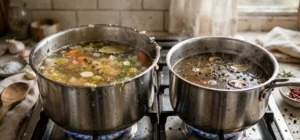
Soup is where the choice matters most, because the liquid is the dish itself rather than a background ingredient. For a hearty soup built around beans, barley, root vegetables, or shredded meat, stock gives the bowl a satisfying, full-bodied quality that makes a simple soup feel like a meal. The gelatine in stock adds a silky mouthfeel that coats the spoon, and the deep, rounded flavour supports long-cooked ingredients without needing extra fat or cream. Chicken noodle soup made with stock tastes richer and more comforting, especially in cold weather, and a vegetable soup enriched with stock feels more substantial than the same soup made with water. In the kitchen, whats difference between stock and broth is really a question of body: rich and silky, or light and clean.
For a light, clear soup, broth is often the better starting point. A simple noodle soup, a delicate egg drop soup, a light vegetable soup, or a broth served with dumplings all benefit from the clean, bright flavour of broth, which lets fresh herbs, ginger, spring onion, and tender vegetables shine. Because broth is already seasoned, it also needs less adjustment at the end, which is helpful for quick weeknight cooking. If you use stock for a light soup, you may need to season more carefully and thin the result slightly, while if you use broth for a hearty soup, you may want to add body with beans, lentils, or a longer simmer. This is why whats difference between stock and broth keeps coming up in recipe discussions, since the wrong liquid can flatten an otherwise good dish.
A useful test is to think about what should stand out in the bowl. If the answer is richness and depth, choose stock. If the answer is freshness and clarity, choose broth. If you are making a soup to use up leftovers, either will work, and the best choice is often simply the liquid you already have open. Taste the liquid first, then season the soup at the end, because a salty broth and an unseasoned stock will need very different finishing touches. Once you know whats difference between stock and broth, swapping one for the other becomes a matter of adjusting salt and body, not guesswork.
whats difference between stock and broth in sauces, gravy, and risotto
Sauces are where stock truly earns its reputation, because a sauce is judged by how it coats food and how it feels on the tongue. A pan sauce made by deglazing a roasting tin with stock, then reducing it with a little wine, butter, or cream, will thicken naturally and cling to meat or vegetables in a way that broth rarely matches. Gravy made with stock has body even before flour or cornflour is added, and it holds its texture as it cools slightly on the plate. For a classic veloute, a rich mushroom sauce, or a slow-cooked ragout, stock is the natural foundation, and many professional cooks keep stock on hand precisely for this purpose. For sauces and risotto in particular, whats difference between stock and broth decides whether the finish feels luxurious or merely pleasant.
Risotto follows the same logic. A risotto is built by adding warm liquid gradually to rice, stirring so that starch is released and the dish becomes creamy. Using stock gives the risotto a deep, savoury backbone and a silky finish that makes the difference between a good risotto and a great one. Using broth will still produce a pleasant risotto, especially if the broth is good quality and well seasoned, but the result will usually feel lighter and less luxurious. For a mushroom risotto, a seafood risotto, or a risotto served as a main course, stock is the safer choice. For a light spring risotto with peas and herbs, broth can work beautifully, because the dish is meant to feel fresh rather than heavy. Put simply, whats difference between stock and broth is the difference between a foundation ingredient and a finished, seasoned liquid.
For everyday sauces, the practical guidance is to keep stock for dishes where the sauce is a star, and broth for dishes where the sauce is a light accompaniment. A quick stir-fry sauce, a light dressing for steamed vegetables, or a thin sauce for poached fish will usually suit broth, while a Sunday roast gravy, a braised meat sauce, or a reduced pan sauce will suit stock. In both cases, reduce the liquid gently rather than boiling hard, taste often, and season at the end, because reduction concentrates salt as well as flavour. Keeping whats difference between stock and broth in mind at the stove will improve more meals than any single new recipe.
Braising, steaming, and cooking grains and vegetables
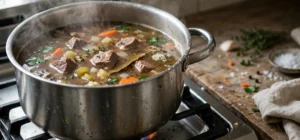
Braising is a slow, covered cooking method where meat or vegetables are cooked gently in a small amount of liquid until tender. Stock is the classic braising liquid, because its body enriches the cooking liquid as it reduces, turning into a natural sauce by the time the meat is done. A beef stew, a braised chicken dish, a pot roast, or braised root vegetables all benefit from stock, and the long cooking time lets the gelatine work its magic. If you braise with broth, the dish will still be tasty, but the final sauce may feel thinner, and you may need to reduce it further or thicken it at the end. That choice is where whats difference between stock and broth matters most in everyday cooking, because the liquid shapes the whole dish.
For grains, the choice is more flexible. Rice, quinoa, couscous, and barley all absorb the liquid they are cooked in, so cooking them in stock or broth instead of water adds flavour throughout. Stock gives pilaf and grain bowls a richer, more savoury character, which suits hearty grain dishes served with roasted meat or mushrooms. Broth gives grains a lighter, cleaner flavour, which suits grain salads, light pilafs, and dishes where the grain should support rather than dominate. In both cases, remember that the salt in the liquid will be absorbed into the grain, so a salty broth can easily over-season rice if you are not careful. Taste the liquid, and reduce any extra salt in the recipe. A cook who understands whats difference between stock and broth can pick the right liquid for a soup, a sauce, or a braise without hesitating.
Steaming and poaching are lighter methods where broth often shines. Poaching chicken or fish in broth infuses the protein with gentle flavour without adding heaviness, and the poaching liquid can then be served as a light soup or sauce. Steaming vegetables over broth, rather than water, adds a subtle savoury note without masking the vegetables. For these gentle methods, stock can feel too rich and can muddy delicate flavours, so broth, or even well-seasoned water with herbs, is usually the better call. In the kitchen, whats difference between stock and broth is really a question of body: rich and silky, or light and clean.
Swapping stock and broth, and adjusting recipes with confidence
Most home cooks will face a moment when a recipe calls for one liquid and only the other is in the cupboard. The good news is that swapping is almost always possible, provided you adjust for body and salt. If a recipe calls for stock and you only have broth, you can add body by simmering the broth a little longer, adding a spoonful of gelatine-rich ingredients is not practical mid-recipe, but you can enrich the dish with beans, lentils, mushrooms, or a little butter at the end. If a recipe calls for broth and you only have stock, you can lighten the result by thinning the stock with a little water and seasoning carefully, so the dish does not become too rich or too salty. This is why whats difference between stock and broth keeps coming up in recipe discussions, since the wrong liquid can flatten an otherwise good dish.
Salt is the biggest trap in swapping. Because stock is traditionally unseasoned and broth is seasoned, a direct one-for-one swap can leave a dish under-seasoned or over-salted. The fix is simple: taste the liquid before you start, add half the salt the recipe suggests, cook, taste again, and adjust at the end. The same caution applies to concentrated products such as cubes and pastes, which vary widely in salt. When in doubt, use less than you think you need, because you can always add salt, but you cannot easily remove it. Once you know whats difference between stock and broth, swapping one for the other becomes a matter of adjusting salt and body, not guesswork.
Another useful adjustment is dilution. A very rich stock can be thinned with water to behave more like broth in a light dish, while a thin broth can be reduced by simmering to concentrate its flavour for a richer dish. Reduction takes time but costs nothing, and it is a skill worth practising. Simmer gently, without a lid, until the liquid has reduced by about a quarter, then taste. You will be surprised how much deeper the flavour becomes, and you will have effectively turned a light liquid into something closer to a stock-based sauce. For sauces and risotto in particular, whats difference between stock and broth decides whether the finish feels luxurious or merely pleasant.
| Dish | Usually best choice | Why |
|---|---|---|
| Hearty bean or barley soup | Stock | Body and depth suit long-cooked ingredients |
| Light noodle or clear soup | Broth | Clean flavour lets fresh ingredients shine |
| Pan sauce or gravy | Stock | Gelatine gives natural thickness and cling |
| Risotto | Stock | Silky finish and deep savoury backbone |
| Braising meat | Stock | Reduces into a rich natural sauce |
| Poaching fish or chicken | Broth | Gentle flavour without heaviness |
| Cooking rice or grains | Either, by dish | Stock for hearty, broth for light dishes |
For broader kitchen confidence, a companion explainer on chicken stock basics covers the ingredient side of this pair, and a guide to kitchen terminology helps decode other phrases you may meet in recipes. Even a look at restaurant menu language is a reminder that food words shift with context, and that tasting and checking always beat guessing. Put simply, whats difference between stock and broth is the difference between a foundation ingredient and a finished, seasoned liquid.
whats difference between stock and broth key points to remember
That choice is where whats difference between stock and broth matters most in everyday cooking, because the liquid shapes the whole dish. A cook who understands whats difference between stock and broth can pick the right liquid for a soup, a sauce, or a braise without hesitating. In the kitchen, whats difference between stock and broth is really a question of body: rich and silky, or light and clean.
Frequently asked questions about stock and broth in cooking
Can I use broth instead of stock in gravy?
Yes, but the gravy may be thinner. Reduce the broth a little longer, or thicken with a small amount of flour or cornflour, and season carefully at the end. Keeping whats difference between stock and broth in mind at the stove will improve more meals than any single new recipe.
Can I use stock instead of broth in noodle soup?
Yes, especially for a hearty noodle soup. For a light, clear noodle soup, thin the stock with a little water and go easy on extra rich toppings so the bowl stays fresh.
Which is better for risotto?
Stock is usually better for risotto, because it gives a silkier, more substantial finish. A good broth still works well, particularly for lighter, spring-style risottos.
Do I need both in my kitchen?
No. Many cooks keep one good liquid on hand and adjust with seasoning, reduction, or dilution. Keeping both is convenient, but it is not essential for good cooking.
What if a recipe just says stock or broth?
Treat that as permission to use either. Choose based on the dish: rich and hearty points to stock, light and fresh points to broth, and taste as you go.
Conclusion
In cooking, whats difference between stock and broth is best understood as a choice between body and lightness. Stock brings gelatine, richness, and a silky finish that suits hearty soups, sauces, gravy, risotto, and braising. Broth brings clean, ready-seasoned, directly savoury flavour that suits light soups, poaching, steaming, and delicate dishes where freshness should lead. Neither liquid is right for every dish, and swapping is fine when you adjust for salt and body. Keep this guide in mind next time you cook: ask what the dish needs to feel like, choose the liquid that delivers that feeling, taste as you go, and season at the end. That simple habit will improve more dishes than any single recipe ever could, and it turns a confusing pair of words into a practical, confident cooking choice.