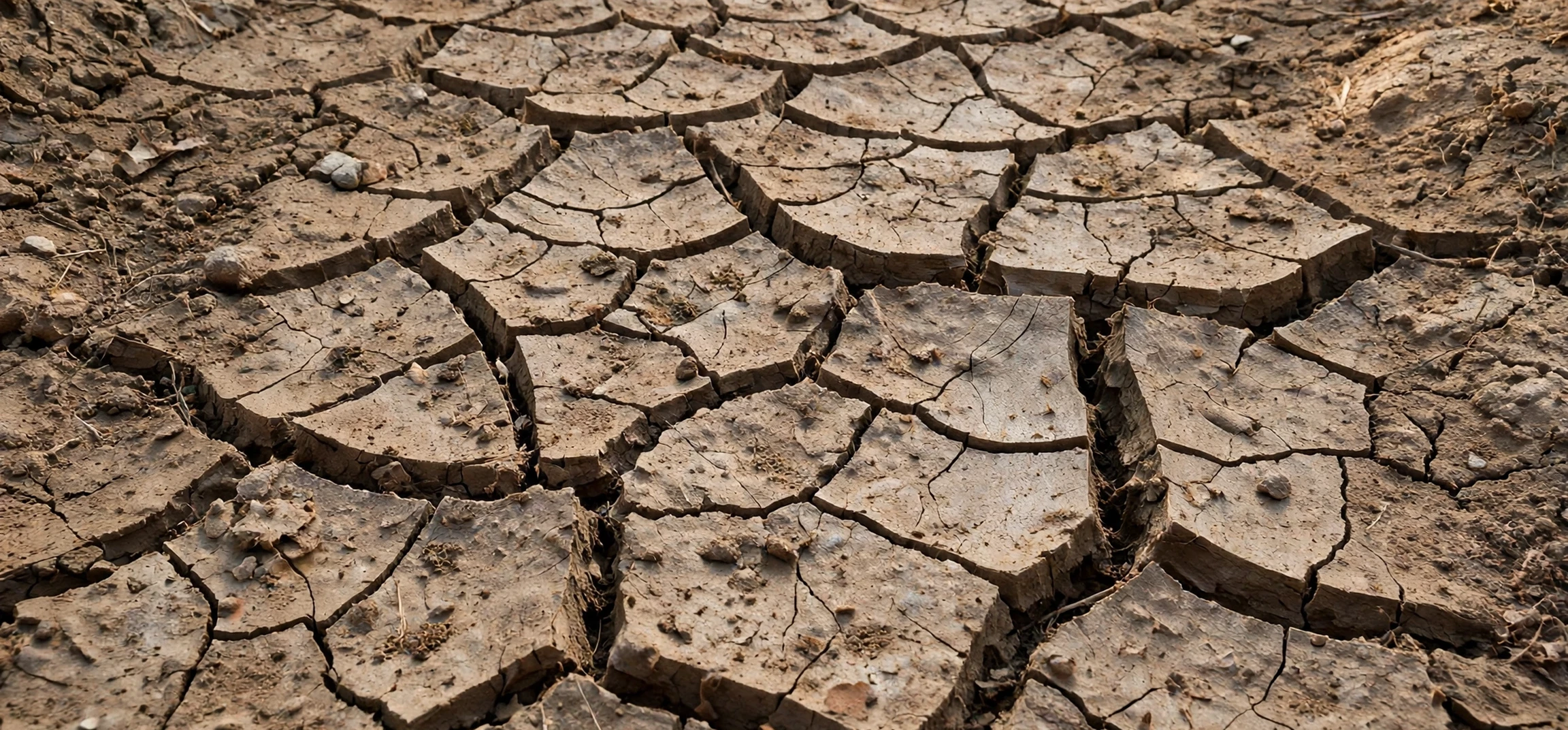
When rain stays away for weeks or months, fields dry out, rivers shrink, and water supplies come under pressure. If you have ever asked whats a drought, the short answer is that a drought is a prolonged period of unusually low rainfall, or low water availability, that causes problems for people, plants, animals, and ecosystems. It is not simply a hot week or a single dry spell. A drought develops slowly, lasts longer than ordinary dry weather, and is defined by its impact as much as by the weather itself. This guide explains how scientists define and measure drought, why it happens, what effects it can have, and how communities prepare for and recover from it.
One reason drought is tricky to define is that dry is relative. A place that normally receives very little rain, such as a desert, is not automatically in drought, because its plants, soils, and water systems are adapted to low rainfall. A place that normally receives plenty of rain can enter drought after a shorter shortfall, because farms, reservoirs, and forests there depend on regular water. Scientists therefore compare current rainfall and water levels with long-term averages for the same place and season, rather than using one global threshold. Context matters, and local history is the baseline, which is why asking whats a drought in one region can get a different practical answer than asking it in another.
Whats a Drought? The Scientific Definition
In science, drought is usually described as a deficiency of precipitation over an extended period, resulting in a water shortage for some activity, group, or environmental sector. The key words are extended and shortage: a few dry days do not make a drought, and a rainfall shortfall only becomes a drought when it begins to affect water supply, agriculture, ecosystems, or daily life. Different organisations use slightly different thresholds, but they share this idea that drought is a slow, cumulative event, not a sudden disaster like a flood or a storm, and any complete answer to whats a drought should stress that slow, cumulative character.
Scientists also distinguish drought from aridity. Aridity is a permanent climate feature: a desert is arid because it almost always receives little rain. Drought is a temporary departure from normal conditions: a normally wet region receives much less rain than usual for a long period. That distinction helps explain why the same rainfall total can be normal in one region and a serious drought in another. It also helps planners decide what to do, because a permanent dry climate calls for long-term adaptation, while a temporary drought calls for emergency management and recovery.
Whats a Drought? The Four Main Types
Experts commonly describe four types of drought, which often follow one another in sequence. Understanding the types helps you see why a drought can seem to start in the sky and end up affecting food prices, river levels, and household taps months later. The table below summarises each type, what it measures, and a typical early sign.
| Type | What it measures | Typical early sign |
|---|---|---|
| Meteorological drought | Rainfall below normal for a region and season | Weeks of below-average rain |
| Agricultural drought | Soil moisture available to crops | Crops wilting despite irrigation limits |
| Hydrological drought | Rivers, lakes, reservoirs, and groundwater | Falling river levels and reservoir storage |
| Socioeconomic drought | Water supply versus human and economic demand | Water restrictions and rising costs |
Meteorological drought usually comes first, when rainfall stays below average. If dry weather continues, soil moisture falls, and agricultural drought follows, affecting crops and pastures. Over longer periods, rivers and groundwater also decline, producing hydrological drought, which can persist even after rain returns, because reservoirs and aquifers take time to refill. Finally, when water shortage begins to affect jobs, food, energy, and daily life, experts speak of socioeconomic drought. This sequence is not rigid, but it explains why drought warnings often appear before the most visible effects, and why recovery can take months after the rain returns, a point worth remembering whenever someone asks whats a drought and expects a single-sentence answer.
Why Droughts Happen
Droughts have natural causes, and human activity can make them worse. The most common natural cause is a persistent pattern in the atmosphere that steers rain-bearing weather systems away from a region. High-pressure systems, for example, can sit over an area for weeks, bringing clear skies and suppressing rainfall. Ocean temperatures also matter: large-scale patterns in the Pacific and Atlantic oceans influence where rain falls around the world, and a shift in those patterns can leave some regions dry for a season or longer. Local geography plays a role too, because mountains can block moist air, creating rain shadows on their far side.
Climate change is increasing drought risk in many regions, even though its effects vary by place. Warmer air evaporates more water from soil, plants, and reservoirs, so the same rainfall shortfall can produce a more severe water shortage than it would have in a cooler climate. Warmer temperatures can also change rainfall patterns, making wet periods wetter and dry periods longer in some areas. This does not mean every dry spell is caused by climate change, but it does mean that long-term planning must account for hotter, drier conditions in vulnerable regions.
Human water use also shapes drought impact. If a region withdraws more groundwater than nature replenishes, aquifers fall, and the next dry period hits harder. If land is degraded by overgrazing, deforestation, or poor soil management, it holds less water, and crops suffer sooner. Urban growth increases demand for drinking water, while agriculture, industry, and energy production all compete for the same supply. A drought is therefore both a weather event and a water-management challenge, and solutions must address both sides, which is the practical lesson behind the question whats a drought for planners and households alike.
How Drought Is Measured
Scientists use several tools to track drought. Rain gauges measure rainfall directly, while satellite data shows soil moisture, vegetation health, and snow cover over large areas. River gauges track flow, and reservoir measurements show stored water. Drought indices combine these measurements into a single scale, allowing officials to compare current conditions with historical records and to issue warnings at different severity levels, from abnormally dry to exceptional drought. These indices are updated regularly, and they help farmers, water managers, and emergency planners decide when to act.
For a general science background, you may find this explainer on the science meaning of matter useful, since it shows how scientific terms are defined precisely before they are applied to real-world problems. A related guide on fault science meaning offers another example of careful scientific language in action.
Effects of Drought on People and Nature
The effects of drought spread across many parts of life. For farmers, the first impact is often reduced crop yields and stressed livestock, which can raise food prices and reduce incomes. For households, drought may bring water restrictions, such as limits on garden watering or car washing, and in severe cases, shortages of drinking water. For ecosystems, low river flows harm fish and wetland birds, dry forests become more vulnerable to wildfire, and soils can erode when rain eventually returns to bare ground. For energy systems, low reservoir levels reduce hydroelectric power, and for transport, low rivers can disrupt shipping.
Health effects are also important, although they are less visible than dry fields. Dust from dry soil can worsen breathing problems, heat often accompanies drought and increases the risk of heat illness, and water shortages can make hygiene harder. Mental health matters too: farmers and rural communities facing repeated droughts often experience stress and uncertainty about their livelihoods. Recognising these wider effects helps communities plan support, not just water supply, during a long dry period.
Economically, drought can affect whole regions. Tourism may fall if lakes and rivers shrink, food processing may slow if harvests are small, and insurance costs may rise after repeated losses. These effects can last beyond the drought itself, because businesses that lose a season may struggle to recover, and soils or forests damaged by drought and fire may take years to return to health. That long tail is why early warning and preparation matter so much.
How Communities Prepare for Drought
Preparation begins with monitoring. Water agencies track rainfall, reservoir levels, and soil moisture, and they issue forecasts and warnings so that farmers can choose drought-tolerant crops, households can save water early, and cities can plan restrictions before a crisis. Diversifying water sources also helps: a city that relies on a single reservoir is more vulnerable than one that also uses groundwater, recycled water, and rainwater harvesting. Protecting watersheds, restoring wetlands, and maintaining healthy soils all increase the amount of water a landscape can store.
At home, simple habits make a difference when a drought warning is issued. Fixing leaks, using water-efficient appliances, watering gardens in the cooler parts of the day, and reusing grey water where local rules allow can all reduce demand. Farmers can use mulch to keep soil moist, rotate crops, and adopt irrigation methods that deliver water directly to plant roots rather than spraying it into the air. These steps do not end a drought, but they stretch available water and reduce damage while waiting for rain.
Governments and aid organisations also prepare drought response plans, including emergency water supplies, support for affected farmers, and public information campaigns. Early action is far cheaper and more effective than late reaction: a community that begins saving water at the first warning will have more reserves if the drought deepens. After a drought ends, recovery plans focus on refilling reservoirs, restoring soils, replanting, and reviewing what worked, so the next drought is met with better preparation.
Drought and Everyday Life
For most readers, drought is not an abstract science topic but a practical question: will there be enough water for drinking, cooking, gardening, and work? The answer depends on local storage, rainfall, and management, which is why local news and water authority updates are more useful than national headlines alone. Checking reservoir levels, following restriction notices, and learning which plants suit a dry climate are small steps that build resilience. If you are curious about how the planet got its name while you explore earth science, see this guide to how planet Earth got its name.
Frequently Asked Questions
How long does a drought last?
It varies widely. Some droughts last a few months, while others persist for years. Hydrological drought, affecting rivers and groundwater, often lasts longer than meteorological drought, because reservoirs and aquifers refill slowly even after rain returns.
Is drought the same as a heatwave?
No, although they often occur together. A heatwave is a period of unusually high temperatures, while a drought is a prolonged water shortage. Heat can worsen drought by increasing evaporation, but a drought can also occur in cool weather if rainfall stays low for long enough.
Can drought be predicted?
Scientists can forecast drought risk using rainfall forecasts, ocean patterns, and soil moisture data, but exact timing and severity remain uncertain. Early warnings give communities time to save water and prepare, even when the forecast cannot promise a precise end date.
What should I do during a drought?
Follow local water authority guidance, fix leaks promptly, reduce non-essential water use, and stay informed about restrictions. Support neighbours who may struggle with water access, and avoid starting outdoor fires in dry conditions, since wildfire risk rises sharply during drought.
Conclusion
A drought is more than a run of sunny days. It is a slow, cumulative shortage of water that begins with low rainfall, moves through soil, rivers, and reservoirs, and ends by affecting farms, homes, ecosystems, and economies. Because dry is relative, drought must be judged against local norms, and because recovery takes time, early warning and careful water management matter as much as the rain itself. By understanding the types, causes, and effects of drought, and by taking simple steps to save and protect water, communities can face dry periods with greater resilience. The next time rain stays away longer than usual, you will know not only what is happening, but also why it matters and what can be done.