To define artistic medium clearly, start with a simple idea: in art, a medium is the material, tool, or process an artist uses to make a work, and it is also, by extension, the form in which that work exists. Oil paint is a medium. Watercolour is a medium. Clay, bronze, charcoal, photography, film, and digital software are all media, the plural of medium, in this sense. The choice of medium is not a technical footnote. It shapes what an artwork looks like, how it feels, how long it lasts, how it is displayed, and what it can express. A portrait in oil, a portrait in charcoal, and a portrait in photography may show the same person, but they will not feel the same, because each medium brings its own textures, limits, and associations.
Students meet the term artistic medium in several places at once: in art history, where works are catalogued by medium; in studio classes, where teachers ask students to experiment with different media; in museum labels, where a short line such as oil on canvas tells you what you are looking at; and in exams, where a question may ask you to define the term and give examples. This guide covers all of those uses. It defines the term precisely, distinguishes medium from technique and from subject, surveys the major traditional and contemporary media, explains how artists combine media, and gives practical advice for writing about medium in essays and for choosing a medium in your own work.
How to define artistic medium in Plain Language
A plain-language definition is this: an artistic medium is the material substance and the means through which an artist creates and communicates a work of art. That definition has two parts, and both matter. The material part covers the physical stuff: paint, ink, clay, stone, metal, paper, thread, light, sound, or pixels. The means part covers the process and form: painting, drawing, sculpture, printmaking, photography, installation, performance, or digital art. In everyday art writing, people often use medium to mean either part, depending on context. A museum label that says bronze means the material. A course description that says photography means the form. A careful definition holds both together, because a work made of bronze and a work made as a photograph are different in material and in form at the same time.
The plural is important for writing correctly. One material or form is a medium. Two or more are media. A work made from a single medium is sometimes described as working in one medium, while a work made from several is described as mixed media. That last term has a specific meaning: it does not mean using a lot of paint, or using paint in several colours. It means combining distinct media, such as collage and paint, or photography and embroidery, in a single work. Using the plural correctly, and using mixed media only for genuine combinations, will immediately make art writing sound more precise.
Medium Versus Technique Versus Subject
Three terms are often confused, and separating them clarifies the definition. Medium is what the work is made of and the form it takes. Technique is how the artist handles that medium: the brushwork, carving method, printing process, or editing choices used to shape the material. Subject is what the work is about: a portrait, a landscape, a still life, an abstract pattern, or a political event. A single subject can be treated in many media and with many techniques. A landscape can be painted in oil with thick, visible brushwork, drawn in charcoal with soft shading, photographed in black and white, or built as a large-scale installation. The subject stays recognisable across those versions, but the medium and technique change the experience completely.
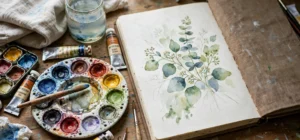
An example makes the distinction concrete. Consider a simple still life of fruit. In oil paint, the artist can build up layers, blend colours slowly, and create a sense of weight and surface. In watercolour, the same fruit will look lighter and more transparent, because watercolour relies on the paper showing through and on washes that cannot easily be corrected. In charcoal, the fruit will be defined by tone and line rather than colour, and the drawing may feel more immediate and sketch-like. In a photograph, the fruit is captured through light and lens, and the artist’s choices shift to composition, lighting, and timing. In each case, medium is the first decision that shapes everything else, and technique is the second decision about how to work within that medium.
How to define artistic medium Across Traditional Forms
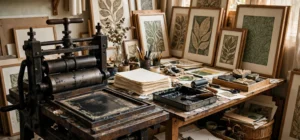
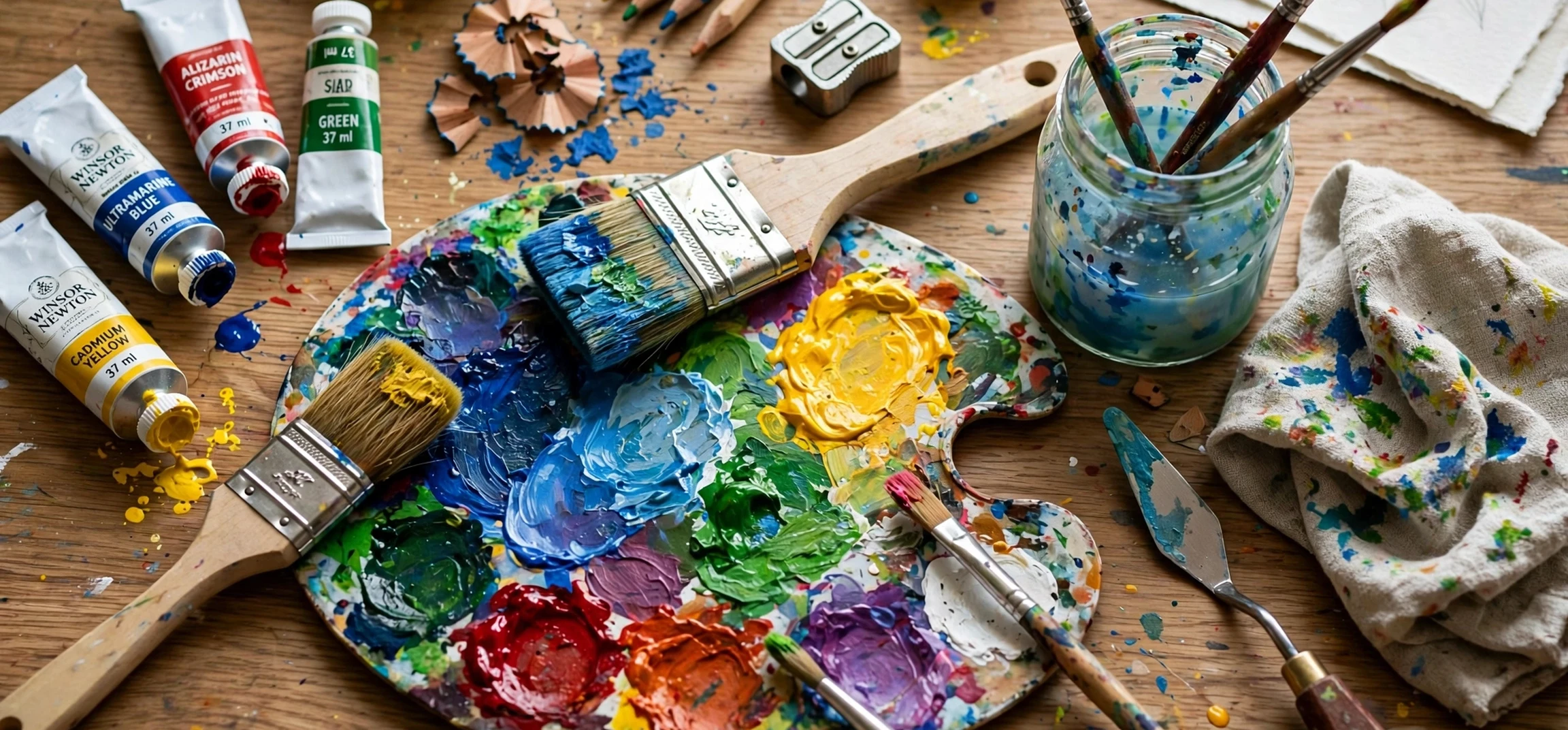
Traditional media fall into a few large families, and learning those families helps you navigate museum labels and art history with confidence. Painting media include oil, watercolour, gouache, tempera, acrylic, and fresco, each with different drying times, surfaces, and colour effects. Drawing media include graphite, charcoal, ink, pastel, and coloured pencil, each with different lines, tones, and levels of permanence. Sculpture media include stone, wood, clay, bronze, plaster, and, in modern practice, steel, glass, and found objects. Printmaking media include woodcut, engraving, etching, lithography, and screen printing, each producing multiple impressions from a single plate, block, or screen. Photography, film, and video form another family, where light, lens, and editing replace pigment and carving as the primary means.
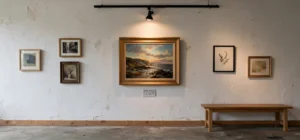
Each family also has its own relationship to surface and support. A painting needs a support, such as canvas, panel, or paper, and the combination is often named together: oil on canvas, watercolour on paper, tempera on panel. A sculpture may be carved, modelled, cast, or assembled, and the verb matters as much as the noun: carved marble feels different from cast bronze, even though both are durable and monumental, because carving removes material while casting pours material into a mould. A print is defined by its process as much as by its ink, because the process determines whether lines are sharp or soft, whether tones are flat or gradated, and whether the image can be repeated identically. Learning to read those combinations is the practical payoff of defining medium well.
| Medium family | Common media | Distinctive qualities |
|---|---|---|
| Painting | Oil, watercolour, acrylic, gouache, tempera | Colour, layering, surface texture, drying time |
| Drawing | Graphite, charcoal, ink, pastel, pencil | Line, tone, immediacy, works on paper |
| Sculpture | Stone, wood, clay, bronze, plaster | Three dimensions, weight, carving or casting |
| Printmaking | Woodcut, etching, lithography, screen print | Repeatable impressions, process-driven marks |
| Photography and film | Film, digital photography, video | Light, lens, timing, editing, sequence |
| Textile and craft | Weaving, embroidery, ceramics, glass | Material skill, pattern, function and decoration |
Contemporary Media, Mixed Media, and New Forms
Contemporary art has expanded the definition of medium far beyond traditional materials, and that expansion is worth understanding rather than resisting. Installation art uses space itself as a medium, arranging objects, light, sound, and architecture so that the viewer walks through the work rather than looking at it from a distance. Performance art uses the artist’s body, actions, and time as the medium, so that the work exists in an event rather than in an object. Digital art uses software, screens, and code as the medium, producing images, animations, and interactive works that may have no physical original. Sound art uses recorded or live sound as the primary material, while land art uses earth, stone, and landscape as both material and site.
Mixed media is the term for works that deliberately combine media, and it is now a major category in its own right. A mixed-media work might combine painting with collage, photography with embroidery, or sculpture with video projection. The point of the combination is often conceptual: the clash or conversation between media becomes part of the meaning. A photograph sewn with thread, for example, may comment on memory, repair, or domestic labour in a way that neither photography nor embroidery alone would convey. When you describe a mixed-media work, name the media you can actually identify, rather than using mixed media as a vague label for anything complicated. Precision about components makes the description useful.
Why Medium Choice Matters for Meaning
Medium choice is a meaning-making choice, not just a practical one. A fragile medium, such as paper, ice, or unfired clay, can suggest transience, vulnerability, or decay. A durable medium, such as bronze or stone, can suggest permanence, authority, or memorial. A cheap, everyday medium, such as cardboard, newspaper, or found objects, can suggest accessibility, protest, or a challenge to elite art traditions. A highly skilled medium, such as oil painting or bronze casting, can suggest mastery, tradition, or institutional status. Artists know these associations and use them deliberately, sometimes reinforcing them and sometimes working against them for irony or surprise.
Medium also affects who can access a work and how it survives. A large oil painting needs gallery space, controlled light, and conservation care. A photograph can be reproduced and shared widely, but its prints still need proper storage. A performance exists only while it happens, unless it is documented, and that documentation becomes a separate work with its own medium. A digital work can be copied perfectly, but it depends on software and hardware that may become obsolete. Thinking about medium therefore means thinking about audience, display, preservation, and cost, not just about appearance. Those practical factors are part of why museums, collectors, and teachers care so much about medium labels.
For other plain-language definitions on this site, see all-encompassing meaning explained and ankh meaning explained. Both show how a careful definition separates a literal sense from later figurative uses, which is the same skill needed to define artistic medium without collapsing it into technique or subject.
Writing About Medium in Essays and Exams
When you write about medium, start with the definition, then give examples, then analyse an effect. A strong paragraph might read: the medium is oil on canvas; the artist uses thick, layered brushwork to build texture; that texture makes the surface feel physical and immediate, which suits a subject about labour or landscape. A weak paragraph simply lists the medium and moves on, without connecting it to what the viewer sees or feels. The connection is the analysis, and examiners reward it because it shows you understand medium as a choice, not as a label to memorise.
Use precise vocabulary, but define terms when you first use them. If you mention impasto, explain that it means thickly applied paint that stands out from the surface. If you mention etching, explain that it involves drawing through a ground on a metal plate and biting the lines with acid, so that the printed lines have a particular character. If you mention mixed media, list the components. That habit of defining as you go makes your writing accessible to a general reader and demonstrates understanding to a specialist reader at the same time. Avoid claiming that a medium automatically means a particular emotion: oil paint does not always mean grandeur, and charcoal does not always mean sadness. The effect depends on how the artist uses the medium, in context, for a particular subject.
Choosing a Medium for Your Own Work
If you are choosing a medium for your own art, start with your idea and your constraints, not with prestige. Ask what qualities your idea needs: colour or line, permanence or ephemerality, detail or gesture, flatness or three dimensions, solitude or audience participation. Then ask what you can realistically work with: what materials you can afford, what space you have, what skills you already possess, and how much time you have to learn a new process. A medium that suits your idea but that you cannot handle safely or affordably will frustrate the work, while a familiar medium used in a new way can often express an idea more clearly than an unfamiliar medium used poorly.
Experimentation is the best teacher here. Try the same small subject in three media: a quick charcoal sketch, a watercolour wash, and a photograph. Compare the results honestly. Which version captures the quality you cared about? Which version surprised you? Which version felt natural to make? Those answers will tell you more about your relationship to each medium than any textbook list. Keep notes on what you tried, what worked, and what failed, because that record becomes a personal guide to medium that no general definition can replace. Over time, you may develop a primary medium, but even specialists benefit from occasional work in another medium, because it refreshes their eye and reveals habits they had stopped noticing.
Frequently Asked Questions
What is the plural of medium in art?
The plural is media. One material or form is a medium, while two or more are media. A work combining distinct media is called mixed media.
Is medium the same as technique?
No. Medium is the material and form used to make a work, while technique is how the artist handles that medium, such as brushwork, carving, printing, or editing choices.
What are examples of artistic media?
Examples include oil paint, watercolour, acrylic, graphite, charcoal, ink, clay, bronze, stone, wood, photography, film, video, textiles, and digital software. Contemporary practice also includes installation, performance, sound, and land as media.
What does mixed media mean?
Mixed media means a single work combines two or more distinct media, such as paint and collage, or photography and embroidery. It does not mean using many colours or a large amount of one material.
Conclusion
To define artistic medium is to name the material, tool, process, and form through which art is made, and to recognise that choice as a central part of meaning. Oil, watercolour, charcoal, bronze, photography, film, installation, performance, and digital code are not interchangeable wrappers for the same idea; each brings textures, limits, histories, and associations that shape what a viewer sees and feels. Separating medium from technique and subject, reading museum labels carefully, naming components in mixed-media works, and connecting medium to effect in your own writing will all make your understanding of art sharper and more precise. Whether you are studying for an exam, visiting a gallery, or choosing materials for your next piece, start with medium, and let the material itself guide your looking.