The word stockhorse describes a type of horse bred and trained for ranch work, and in Texas that tradition runs especially deep. A stock horse is not a single breed with a closed registry so much as a working type: an athletic, intelligent, cow-savvy horse capable of cutting, sorting, roping, and covering long distances across rough country. Texas ranches helped shape that ideal, and the state’s competitions, clinics, and ranching heritage keep the stock horse tradition alive today for riders, trainers, and horse lovers.
This guide to the stockhorse explains what defines a stock horse, how the Texas ranching tradition shaped it, which breeds commonly fill the role, how stock horses are trained, and what modern stock horse competitions involve. Whether you are a rider curious about ranch versatility, a spectator at a horse show, or simply interested in Texas equine culture, this overview will help you understand what makes a great stock horse and why the type remains so respected.
Stockhorse: What Defines a Stock Horse
A stock horse is defined by its job. On a working ranch, horses must handle cattle calmly and confidently: approaching a herd without causing panic, cutting a single animal away from the group, holding it in position, and responding instantly to a rider’s cues. That work demands a particular combination of traits. The horse needs quick, balanced movement, including fast stops, sharp turns, and smooth rollbacks. It needs “cow sense,” an instinctive ability to read cattle and anticipate their movement. And it needs a calm, willing temperament, because a horse that panics around cattle is a danger to itself, its rider, and the herd.
Conformation matters too. Stock horses are typically compact and muscular, standing around fourteen to sixteen hands high, with strong hindquarters for stopping and turning, a deep chest for stamina, and a short, strong back that carries a saddle comfortably through a long working day. Their build is functional rather than ornamental: every feature serves the job of ranch work. Good feet and legs are essential, since ranch horses cover rough terrain, and a sound, durable horse is worth far more than a flashy but fragile one.
Temperament is the trait trainers mention most often. A stock horse must be brave enough to face a thousand-pound animal, sensible enough to stay calm when cattle charge or scatter, and trainable enough to learn complex patterns of cues. That balance of boldness and willingness is what separates a true stock horse from a merely athletic horse, and it is why experienced ranchers value a proven, honest horse above almost any other ranch asset.
Stockhorse: The Texas Ranching Heritage
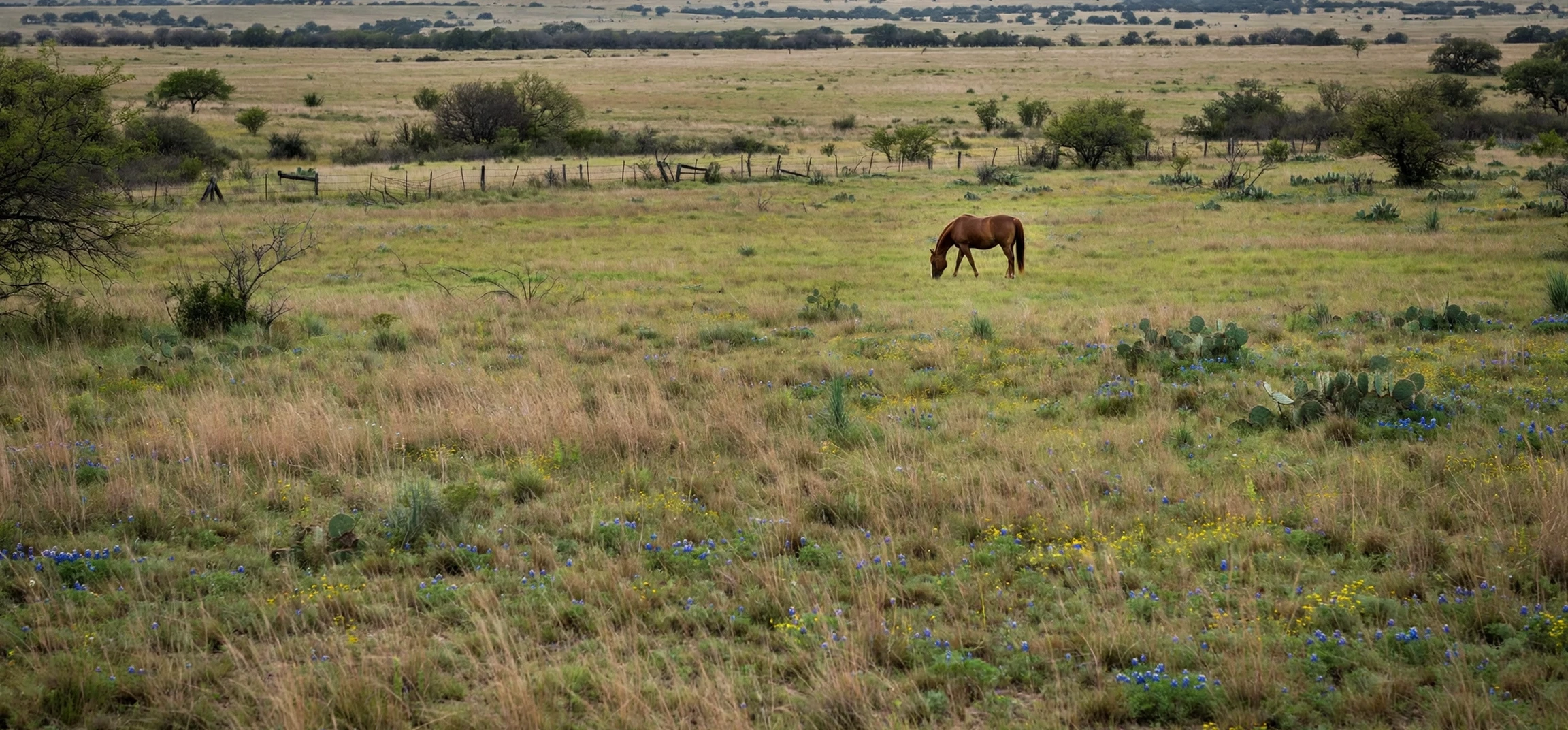
Texas ranching heritage is inseparable from the stock horse story. In the nineteenth century, vast Texas ranches needed horses that could work cattle across open range, and ranchers selected and bred for the traits that made that work possible. The Texas cowboy tradition, with its roping, branding, and trailing work, became a proving ground: horses that could do the job day after day earned their keep, and their bloodlines were prized and preserved.
That heritage also shaped riding equipment and technique. The Texas saddle, designed for long hours and roping work, the use of a hackamore or bridle progression in training, and the emphasis on a light, responsive rein all developed alongside the horses themselves. Horsemanship in the Texas tradition values softness and timing over force: a well-trained stock horse responds to subtle shifts of weight and rein, and a good rider asks rather than demands. That philosophy still guides stock horse training today.
Modern Texas continues to celebrate this heritage through ranch rodeos, stock horse shows, and working ranch events, where horses and riders demonstrate the same skills used on real ranches. These events are not just entertainment; they preserve practical horsemanship, reward honest training, and give young riders a pathway into ranch work. For visitors, they offer a vivid window into a living tradition rather than a museum piece.
Breeds That Fill the Stock Horse Role
Several breeds commonly fill the stock horse role, with the American Quarter Horse the most famous. Quarter Horses were developed for short bursts of speed and agility, which makes them natural cutting and reining horses, and their calm temperament suits ranch work. Many stock horse competitions are dominated by Quarter Horses, though the type is defined by ability rather than papers alone.
Other breeds and crosses also succeed as stock horses. Paint Horses share much of the Quarter Horse’s heritage and athleticism, while Appaloosas, Morgans, and well-chosen crossbred horses can excel when they have the right conformation, cow sense, and training. What matters in practice is the individual horse: its movement, mind, and experience around cattle. Breed gives a useful starting point, but a horse’s record of real ranch work tells you far more than its pedigree alone.
Choosing a stock horse prospect involves looking beyond appearance. Experienced buyers watch the horse move, observe its reaction to cattle, check its soundness and history, and ride it through basic manoeuvres. A horse that is honest, sound, and willing is a better prospect than a more impressive-looking horse with a difficult temperament or a history of unsoundness. Patience in selection pays off, because a good stock horse is a partner for many years.
Training a Stock Horse
Training a stock horse is a gradual process that typically begins with solid foundation work: leading, standing quietly, accepting the saddle, and responding to basic rein and leg cues. From there, the horse progresses through suppling exercises, stops, turns, and circles that build balance and responsiveness. Only when the foundation is solid does cattle work begin, starting with calm exposure to cattle at a distance and progressing to sorting, tracking, and cutting as the horse gains confidence.
Good training emphasises consistency and patience. Horses learn through repetition and release: pressure is applied to ask for a movement, and released the moment the horse responds correctly, which teaches the horse that the right answer brings comfort. Rushing this process, or using excessive force, creates resistance and anxiety that can take months to undo. The best stock horse trainers are known for their timing and feel, and their horses show it in relaxed, willing performances.
Rider education matters as much as horse training. A stock horse competition or ranch job requires the rider to read cattle, position the horse correctly, and stay balanced through quick movements. Clinics and mentorship from experienced ranch riders help newcomers learn these skills safely, and many Texas events include divisions for different experience levels so that beginners can compete and learn without facing professional riders immediately.
Stock Horse Competitions and Events
Modern stock horse competitions test the versatility that ranch work demands. A typical event includes several classes: herd work, where horse and rider cut a cow from the herd and hold it; reining, which tests precise patterns of circles, spins, and sliding stops; roping or cow work, where the pair handles cattle at speed; and trail or ranch riding, which tests the horse’s manners over obstacles similar to those found on a ranch. Together, these classes reward the all-round horse rather than a specialist in a single skill.
Judging focuses on the qualities ranchers value: control, smoothness, cow sense, and the horse’s willingness. A run that looks flashy but loses control of the cow scores poorly, while a quiet, effective run scores well even without drama. That judging philosophy keeps competitions connected to real ranch work, and it encourages training that prioritises the horse’s mind and reliability over show-ring tricks.
For spectators, stock horse events are accessible and exciting. The cattle work is easy to follow, the athleticism is obvious, and the partnership between horse and rider is on full display. If you attend an event in Texas, you will also find a welcoming community of breeders, trainers, and ranch families happy to explain what you are watching. Texas culture more broadly is part of the experience; our guide to Austin, Texas addresses is a useful starting point for planning a visit, and the Four Horsemen names guide offers a lighter look at horses in popular culture.
| Competition class | What it tests | Key skill rewarded |
|---|---|---|
| Herd work | Cutting and holding a cow from the herd | Cow sense and control |
| Reining | Precise patterns, spins, and stops | Balance and responsiveness |
| Roping / cow work | Handling cattle at speed | Boldness and timing |
| Ranch riding | Manners over ranch-style obstacles | Calm versatility |
| Trail | Negotiating gates, bridges, and obstacles | Patience and trust |
Caring for a Stock Horse
Care for a stock horse follows the same principles as care for any working horse, with attention to the demands of ranch work. Regular farrier visits keep feet balanced for rough terrain, dental checks ensure the horse can eat comfortably, and a feeding programme matched to workload keeps condition without excess weight. Veterinary care, vaccination, and parasite control follow a routine set with a veterinarian, and turnout or movement between work sessions helps keep the horse supple and mentally fresh.
Workload management is equally important. Even a fit stock horse needs rest days, gradual conditioning after time off, and careful warm-up before hard cattle work. Riders watch for signs of soreness, fatigue, or reluctance, which can signal that the horse needs rest, a saddle fit check, or veterinary attention. A horse that is cared for thoughtfully will work happily for many years, while one that is pushed without recovery will break down early.
Frequently Asked Questions
Is a stock horse a specific breed?
No. Stock horse describes a working type defined by ranch ability, especially cattle work, rather than a single breed. American Quarter Horses are the most common stock horses, but other breeds and crosses can fill the role when they have the right traits.
What is cow sense in a stock horse?
Cow sense is a horse’s instinctive ability to read cattle, anticipate their movement, and position itself to control them. It is partly natural and partly developed through experience, and it is one of the most valued traits in a stock horse.
How tall is a typical stock horse?
Most stock horses stand around fourteen to sixteen hands high, with a compact, muscular build suited to quick stops, sharp turns, and long working days on the ranch.
Can beginners ride stock horses?
Yes, with guidance. A calm, well-trained stock horse is an excellent teacher, and clinics, lessons, and beginner divisions at competitions help newcomers learn ranch horsemanship safely and progressively.
Stockhorse: Getting Started as a Rider or Spectator
If the stockhorse world appeals to you, the easiest first step is to attend a stockhorse event as a spectator. Watching a stockhorse show lets you see herd work, reining, and ranch riding in one day, and talking to stockhorse riders and trainers afterwards will teach you more than any single article. A stockhorse event is welcoming to newcomers, and the stockhorse community generally enjoys explaining the classes, the judging, and the training behind each run.
For riders, the stockhorse path usually begins with lessons on a quiet, trained stockhorse, followed by clinics that introduce cattle work gradually. A good stockhorse instructor will prioritise your safety and the horse’s confidence, building skills step by step rather than rushing into competition. Whether you aim to compete or simply to ride a stockhorse for pleasure, the stockhorse tradition rewards patience: the stockhorse partnership is built over time, and the stockhorse journey itself, from first lesson to first confident cattle run, is as rewarding as any ribbon.
Conclusion
The stockhorse tradition, shaped on Texas ranches and carried forward by modern competitions, celebrates a simple ideal: a horse that is athletic, intelligent, brave, and willing, partnered with a rider who values softness and timing. That ideal has survived because it is practical. Ranches still need horses that can work cattle honestly, and riders still admire a horse that does its job with heart.
Whether you ride, compete, or simply enjoy watching great horsemanship, the stock horse offers a rich world to explore: the heritage of Texas ranching, the craft of training, and the partnership between horse and rider. Start by watching a stock horse event, talk to the riders and trainers, and you will quickly understand why this working type has earned such lasting respect. The stockhorse tradition is best learned in person, and a stockhorse event is the perfect place to begin.